Genuine leather fabric is one of the most misunderstood terms in the upholstery and leather goods industry. Many buyers assume “genuine leather” means top quality — the real deal, the best you can get. But in reality, “genuine leather” is a legal definition, not a quality grade. It simply means the material contains real animal hide — and that hide could be anything from the premium top layer to the fibrous bottom scraps bonded together with plastic.
After spending 15+ years in the leather materials industry — working with tanneries, furniture OEMs, and automotive interior programs — I’ve seen firsthand how the “genuine leather” label is used to sell everything from luxury heirloom-quality material to products that start peeling within two years. This guide breaks down the four main grades of genuine leather fabric, explains what each is actually good for, and helps B2B buyers understand when genuine leather is worth the premium — and when a high-quality synthetic alternative delivers better value.
The 4 Grades of Genuine Leather Fabric
Genuine leather fabric comes from animal hides — primarily cowhide — that have been tanned and finished. But not all parts of the hide are equal. A single cowhide is split into multiple layers, and each layer produces a very different grade of leather:
| Grade | Hide Layer | Durability | Price / Yard | Appearance |
|---|---|---|---|---|
| Full-Grain Leather | Top layer (grain side), untouched | 20+ years | $40–$80+ | Natural grain, develops patina |
| Top-Grain Leather | Top layer, sanded & corrected | 10–15 years | $25–$50 | Uniform, embossed grain |
| Split Leather | Lower fibrous layer | 5–10 years | $15–$30 | Suede or PU-coated finish |
| Bonded Leather | Leather fibers + PU binder | 2–5 years | $8–$20 | Uniform, embossed pattern |
All four grades are legally “genuine leather” in most jurisdictions — the term only indicates that animal hide is present, not which part or what quality. Always ask for the specific grade, not just “genuine leather.”

Genuine leather fabric comes in four distinct grades — understanding the difference is essential before paying a “genuine leather” premium.
What Each Grade of Genuine Leather Fabric Is Actually Good For
Full-Grain Leather: The Luxury Benchmark
Full-grain leather uses the complete top layer of the hide with the natural grain intact — no sanding, no buffing, no correction. It retains all the natural imperfections (scars, wrinkles, grain variation) that make each piece unique. Over time, it develops a rich patina that many people find beautiful. Full-grain is the strongest, most durable grade of genuine leather — it can last 20+ years with proper care. But it’s also the most expensive, requires regular conditioning, and stains easily. Best for: high-end residential furniture, luxury automotive interiors, premium leather goods, heritage brands.
Top-Grain Leather: The Mid-Tier Workhorse
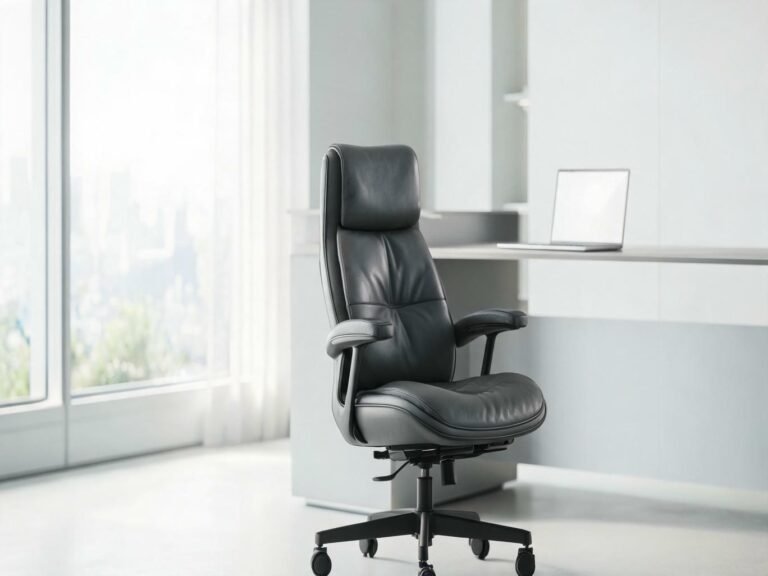
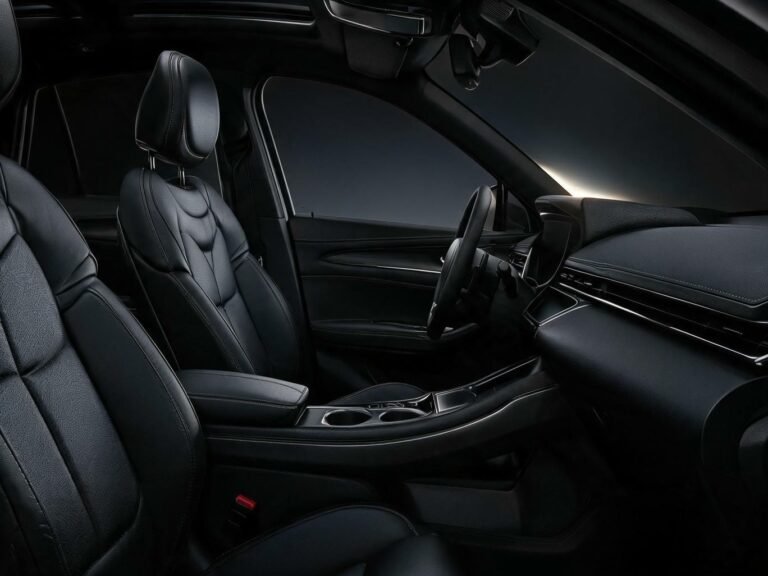
Top-grain leather is also from the top layer of the hide, but the surface is sanded to remove imperfections and then embossed with a uniform grain pattern. A protective coating (often pigmented polyurethane) is applied for stain resistance. Top-grain is more consistent in appearance and color than full-grain, which makes it easier to match across large furniture orders. It’s durable (10–15 years), easier to clean than full-grain, and significantly less expensive. This is the grade you’ll find in most mid-to-premium furniture and mainstream automotive interiors. Best for: mid-range to premium furniture, automotive OEM interiors, office furniture, hospitality.
Split Leather: The Budget Genuine Option
Split leather comes from the lower, fibrous part of the hide — the part left over after the top grain is removed. On its own, it looks like suede (fuzzy, fibrous texture). For upholstery use, it’s almost always coated with a PU or PVC layer to give it a leather-like appearance and improve durability. Split leather is technically “genuine leather” but lacks the strength, durability, and natural feel of top-grain or full-grain. The PU coating eventually peels and cracks, typically within 5–10 years. Best for: budget furniture, accessories, products where the “genuine leather” label matters more than long-term durability.
Bonded Leather: Is It Even Real Leather?
Bonded leather (also called “reconstituted leather”) is made by grinding leather scraps and fibers into a pulp, then bonding them together with polyurethane or other binders and applying a leather-like embossed surface. The leather content varies — some products are 80% leather fiber, others are 10–20%. Bonded leather is the cheapest grade of “genuine leather” and also the least durable. The PU surface layer typically peels within 2–5 years, especially in high-use areas. In our opinion, bonded leather is closer to synthetic leather than genuine leather in both performance and composition. Best for: budget accessories, low-use items, products where cost is the primary driver.
Buyer beware: Many furniture products advertised as “genuine leather” are actually split leather with a PU coating, or even bonded leather. The “genuine leather” label is technically accurate but intentionally misleading. Always ask which specific grade of leather you’re getting — top-grain, split, or bonded — and verify with tear strength and abrasion test data.
Genuine Leather Fabric vs. Silicone Leather: The Honest Comparison
As a supplier of silicone leather, we’re often asked how our material compares to genuine leather. We give an honest answer — it depends on the grade of genuine leather and what you’re using it for. Let’s compare apples to apples:
| Factor | Top-Grain Genuine | Silicone Leather | Split Genuine (PU-coated) |
|---|---|---|---|
| Lifespan | 10–15 years | 10–15+ years | 5–8 years |
| Stain Resistance | Low (absorbs spills) | Excellent (non-porous) | Moderate (PU coating) |
| Cleaning | Requires conditioner | Wipe with damp cloth | Wipe carefully |
| VOC Emissions | Moderate (tanning chemicals) | Zero | High (PU coating) |
| Consistency | Natural variations | Perfectly uniform | Uniform (embossed) |
| Water Impact (L/m²) | 14,000–17,000 L | ~600–800 L | 10,000–14,000 L |
| Animal-Free | No | Yes | No |
| Cost / Yard | $25–$50 | $25–$50 | $15–$30 |

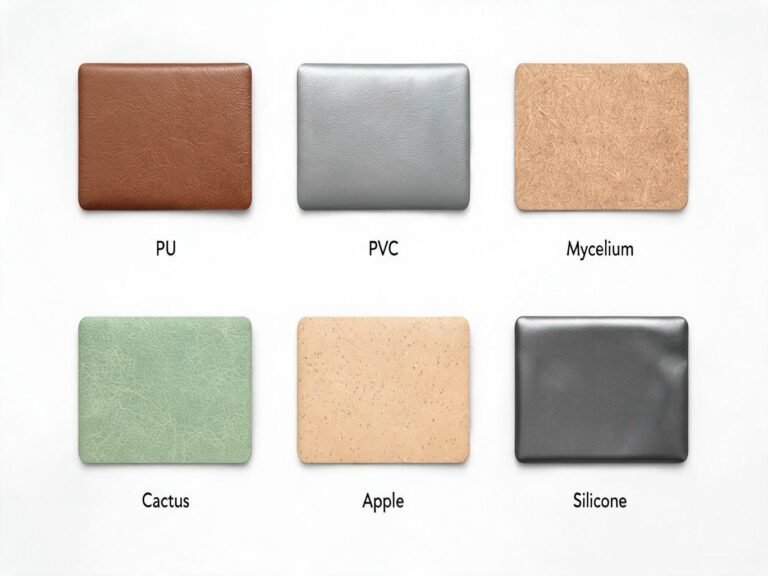
Side-by-side comparison of genuine leather and synthetic alternatives — modern premium synthetics can match the look and feel of mid-grade genuine leather.
When Genuine Leather Fabric Is Worth It (and When It’s Not)
Choose genuine leather when:
- You’re selling a luxury product where the natural material story is a core brand value
- The patina that develops over time is seen as a feature, not a flaw
- You’re targeting buyers who specifically seek genuine leather and will pay the premium
- The product is residential or low-traffic commercial where staining risk is manageable
- You have the budget for full-grain or top-grain — not just split or bonded
Choose silicone leather when:
- The application is high-traffic commercial (hospitality, healthcare, office, transportation)
- Stain resistance and easy cleaning are non-negotiable requirements
- You need perfectly consistent color and texture across large production runs
- ESG goals require animal-free, zero-VOC, or recyclable materials
- Total cost of ownership matters more than the “genuine leather” label
- You’re currently buying split or bonded genuine leather (silicone will outperform both)
For a more detailed breakdown, compare silicone leather vs PU and see how silicone stacks up against the full range of leather alternatives.
The Environmental Debate: Genuine vs Synthetic Leather
The environmental comparison between genuine leather fabric and synthetic alternatives is more nuanced than either side’s marketing would have you believe. Here’s an honest assessment:
Genuine leather environmental challenges:
- Massive water footprint — 14,000–17,000 liters per square meter of leather, with livestock accounting for ~93% of it
- Tanning chemicals — chrome tanning (the most common method) uses toxic heavy metals that frequently contaminate waterways in producing countries
- Livestock emissions — the cattle industry is a significant contributor to greenhouse gas emissions and deforestation
- Slow biodegradation — tanned leather can take 25–50 years to decompose in landfill, thanks to the tanning chemicals
Synthetic leather environmental challenges:
- Petroleum-based — PU and PVC are derived from fossil fuels
- Microplastic shedding — some synthetic leathers shed microplastics during use and washing
- End-of-life — traditional PU/PVC is difficult to recycle and persists in the environment
- VOC emissions — solvent-based PU production releases volatile organic compounds
Silicone leather’s position: Silicone addresses many of the environmental concerns on both sides. It uses 95% less water than genuine leather, produces zero VOCs, is fully recyclable, and contains no animal products. While silicone is still synthetic, it’s the only leather alternative that scores well across all major sustainability dimensions — which is why it’s increasingly specified for eco-friendly leather projects.

Silicone leather production uses solvent-free coating processes with zero VOC emissions — a cleaner manufacturing approach than both chrome-tanned genuine leather and solvent-based PU.
Sourcing Genuine Leather Fabric: What to Verify
If you decide genuine leather fabric is right for your product, make sure you’re getting the grade you’re paying for. The leather supply chain is famously opaque, and mislabeling is common. Here’s what to verify:
- Specific grade — Don’t accept “genuine leather.” Demand full-grain, top-grain, split, or bonded.
- Tear strength — Full-grain should be ≥ 40N (ISO 3377-2); top-grain ≥ 25N. Lower numbers suggest a lower grade.
- Thickness — Furniture-grade leather is typically 1.0–1.4mm. Thinner material may indicate split leather.
- Tanning method — Chrome-tanned is most common; vegetable-tanned is more eco-friendly but more expensive and less consistent.
- Chemical compliance — Chrome VI, formaldehyde, and azo dyes are regulated under REACH and California Prop 65. Get test reports.
- Origin traceability — Where does the hide come from? What tanneries process it? Transparency is a good sign of quality control.
Making the Right Choice for Your Business
Genuine leather fabric has a legitimate place in the market — particularly at the full-grain and top-grain levels, where the natural characteristics, patina, and heritage appeal justify the premium. There will always be buyers who specifically want genuine leather and are willing to pay for it.
But for many B2B applications — commercial furniture, automotive interiors, healthcare seating, marine upholstery — the practical advantages of high-performance synthetic materials like silicone leather are hard to ignore. Better stain resistance, zero maintenance, perfect consistency, longer service life, and a lower environmental footprint across most metrics. And when you compare silicone leather to split or bonded genuine leather, the performance gap is enormous at a similar price point.
The best way to decide is to test both. Order samples of the genuine leather grade you’re considering and a comparable silicone leather sample, then run them through your real-world conditions — staining, abrasion, cleaning, UV exposure. Let the data guide your decision, not the marketing labels.
Request Genuine vs Silicone Sample Set
About TOPSUN
TOPSUN manufactures premium silicone leather as a high-performance alternative to genuine leather fabric for B2B buyers in furniture, automotive, healthcare, marine, and consumer electronics industries — delivering comparable aesthetics with better durability, cleanability, and environmental performance.
Zero VOC · 100% recyclable · 10–15+ year lifespan · Stain-proof · ISO & REACH certified · 40+ colors with custom matching