Why does one shelf of upholstery fabric carry ten different faux leather names for what looks like the same material? Because every name is a claim wearing a costume. Some labels describe chemistry, some hide it, and a few are trademarks that outlived their original product. Writing product catalogs for furniture taught me the hard way: the name on the invoice tells you almost nothing until you translate it into construction. This article is that translation, one label at a time.
The method is simple. Behind every faux leather name sits a fabric, a polymer, and a price tier. Decode those three and any listing becomes readable, whether it says pleather, leatherette, or something invented last quarter.
Why One Material Wears So Many Names
The naming chaos is deliberate history. The word pleather was coined precisely so a plastics line could be advertised without saying plastic. Faux is simply French for false, borrowed because it sounds softer in a product title. Leatherette descends from bookbinding, where cloth got a plastic face. Each generation of marketers added a name that sounded closer to hide, and each regulator eventually added a rule that pulled it back. What remains is a vocabulary where the flattering words, such as vegan or bicast, can describe anything from premium composite to leftovers and glue.
The Decoder: Ten Names, What They Really Are
| Name | Actual Construction | Buyer Note |
|---|---|---|
| Faux leather | Umbrella term, usually PU or PVC on fabric | Ask which polymer |
| Pleather | Slang for plastic leather, PVC or budget PU | Assume entry grade |
| Leatherette | Fabric base under a soft PVC layer | Check cold-crack and tack |
| Vinyl | PVC coating, plasticizer-dependent | Tough but stiffens with age |
| PU leather | Polyurethane film on woven or knitted base | Ask hydrolysis rating |
| Bicast | Leather split laminated with PU film | Part hide, mostly coating |
| Bonded | Shredded hide fibers mixed with binder | Lowest hide content, flaking risk |
| Vegan leather | Any animal-free material, quality varies wildly | Vegan is not a grade |
| Microfiber leather | PU on non-woven ultra-fine fiber core | Performance tier |
| Silicone leather | Sand-derived silicone on fabric, no plasticizer | Longest service life |

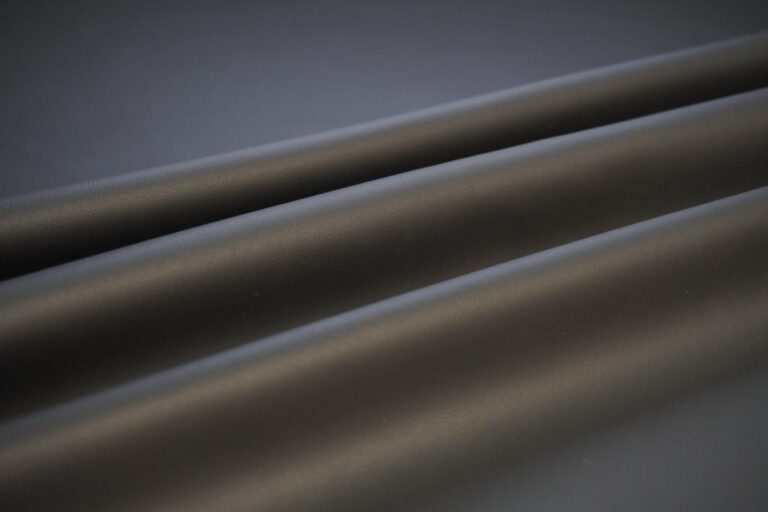
One rack, many names. The construction, not the label, sorts the tiers.

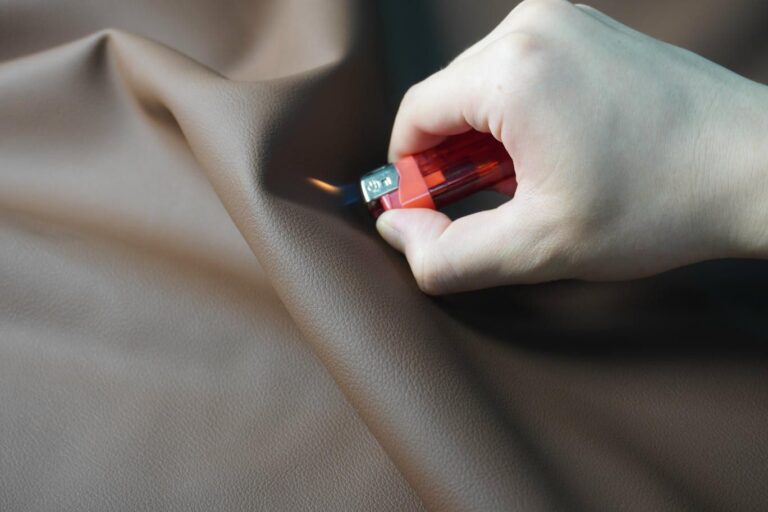
Same grain, many labels. Chemistry and backing decide which tier each sheet belongs to.
Trade Names: Rexine, Naugahyde, Koskin, Skai
A second layer of names comes from brands that became nouns. Rexine dominates trade conversation across South Asia for leathercloth of any kind. Naugahyde, an American vinyl brand, still stands in for vinyl upholstery in general. Koskin surfaced in the laptop-bag era as a soft PU-faced material, and Skai remains a German vinyl trademark. When a listing uses a brand word generically, treat it as a style reference only. The purchase decision still needs the construction decoded from the table above.
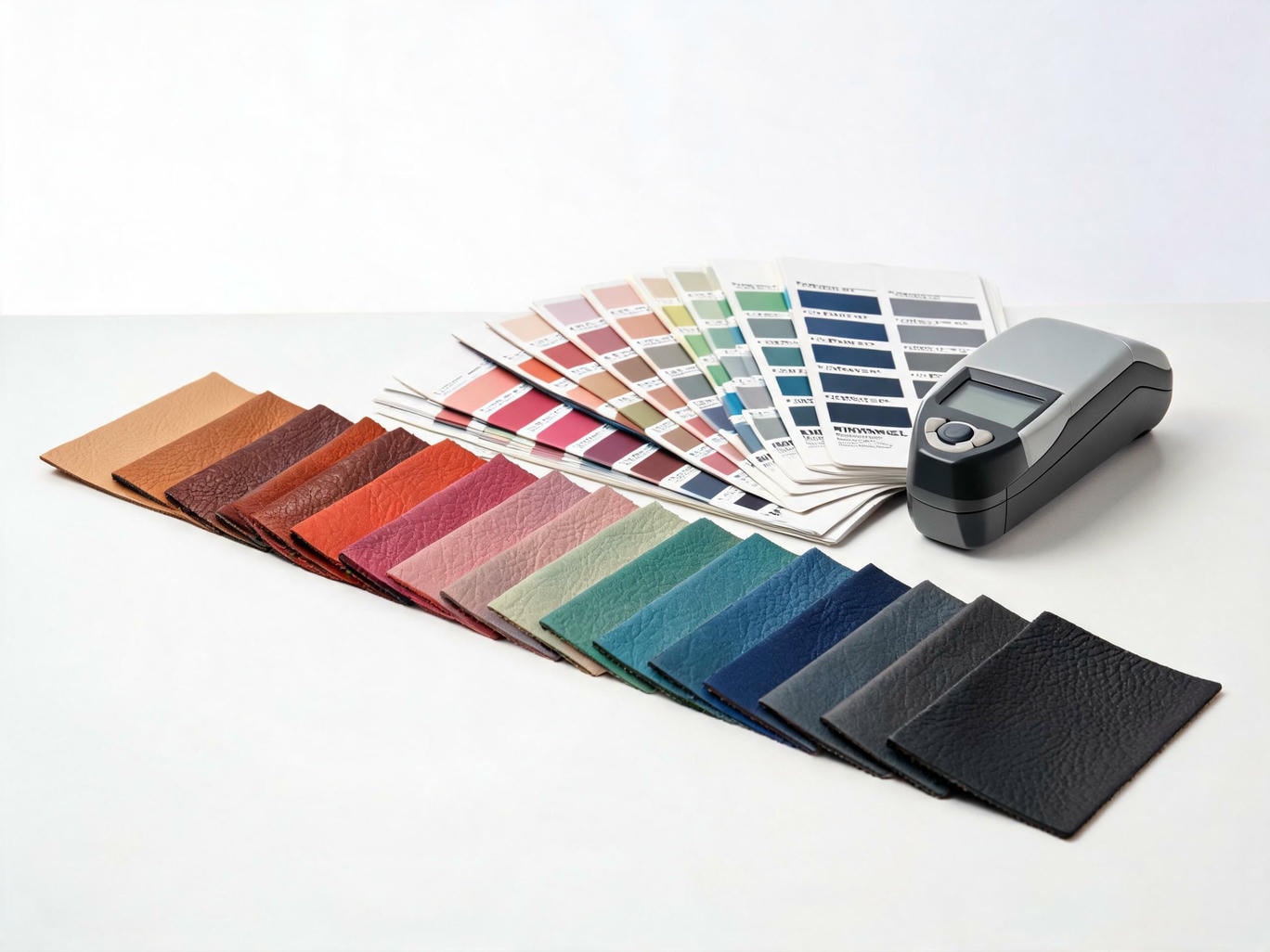
Catalogs sell names. Warehouses ship constructions. Both should agree.
Which Names Belong in Your Product Listing
Listing accuracy is a conversion tool, not just compliance. Shoppers search for vegan leather and faux leather, so those words belong in the title. The description, however, should state the construction: polyurethane coating on fabric, thickness, and care level. Returns drop when a customer expecting hide-soft drape is told upfront that the seat is vinyl. Regulated categories raise the stakes further, since children’s products require the full chemistry story on file, as our baby and kids applications page documents. Name the material honestly and the label becomes a selling point instead of a liability.
A Name Is a Claim: Read It That Way
Faux leather names are marketing shorthand for a fabric, a polymer, and a tier. Decode the three and no label can mislead you, from pleather on a budget jacket to silicone on a ten-year seating program. The chemistry behind our silicone leather introduction shows what the top tier of that vocabulary is built on, and why it earns its name honestly.
Are faux leather and leatherette the same thing?
Not exactly. Faux leather is the umbrella term for all leather-look synthetics. Leatherette traditionally means fabric under a soft PVC layer, a specific construction inside that umbrella.
Does the name tell me the quality tier?
Only roughly. Bonded and pleather signal entry grade, microfiber signals performance, and silicone signals the longest service life. Between those anchors, the construction details decide, so always confirm the polymer and backing in writing.
Order a Name-Decoded Sample Set
About TOPSUN
TOPSUN manufactures silicone-based leather and documents every order by construction, polymer, and test report, so the name on the box matches the material inside.
Over 100 textures, custom color matching, and SGS documentation from a 500-meter minimum order.

Swatches settle what names argue about. Order the construction, not the word.
Verify a Label With Our Team
References
1. https://www.apparelsearch.com/terms/p/pleather_… — Pleather is a portmanteau of plastic and leather; artificial leather also sells as leatherette and faux leather
2. https://soeagra.com/ijert/ijertmarch2018/7.pdf — Leatherette construction: fabric base of natural or synthetic fiber covered with a soft PVC layer