A furniture engineer’s question about semi pu is never “what does it cost per meter”. It is “where on the sofa can I put it without a warranty claim in year two”. Semi PU earns its keep as a hybrid. A PVC base layer carries structure and price. A thin PU top coat adds softness and finish. Specified panel by panel, it is a smart value-engineering tool. Spread blindly across every panel, it becomes the reason cushions peel while the outside back still looks new.
This article gives production teams a working playbook. It covers what the construction actually is. It explains why the backing layer matters more than the surface. Then it maps material by wear zone and names the tests that separate a good roll from a cheap one. The short version: semi PU wins on low-wear, cost-driven panels. It loses on high-flex seating surfaces. And it has a clear upgrade path when a program outgrows it.
What Semi PU Actually Is: One Layer of Each Chemistry
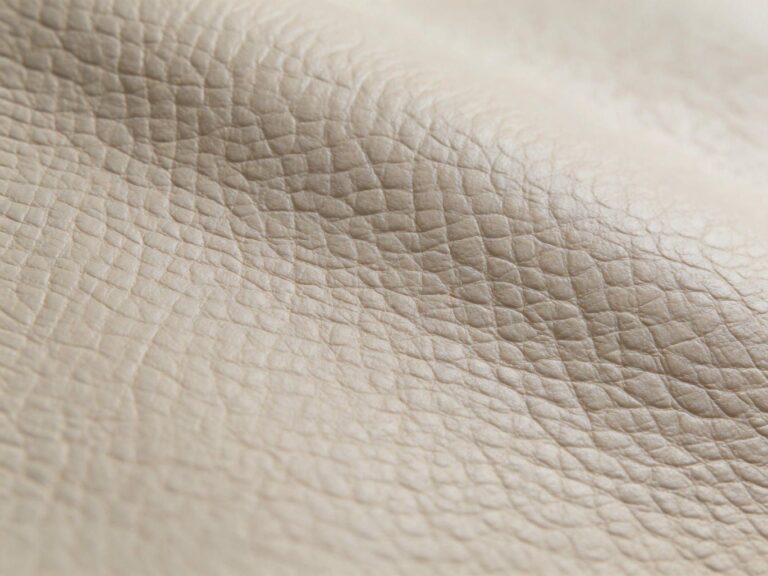
Semi PU is a hybrid grade. A tough PVC base layer carries the bulk of the thickness, and a thin, supple PU top coat supplies the surface. The blend borrows the cost efficiency and physical robustness of PVC, then adds the softer hand and cleaner finish of PU. Buyers who compare it against full PU usually notice the price gap first. Buyers who test it notice the feel gap is smaller than they expected.
The construction explains both sides of that trade. PVC brings waterproofing, anti-mildew behavior, and dimensional stability, but it is stiff. The PU cap fixes the stiffness at the surface, where hands and clothing actually touch. What the cap cannot fix is the base chemistry underneath. PVC plasticizers migrate over years. A semi PU panel aged in a hot conservatory will harden from the inside out. The surface looks fine right up until it cracks along a fold line.
The Backing Layer Buyers Forget to Specify
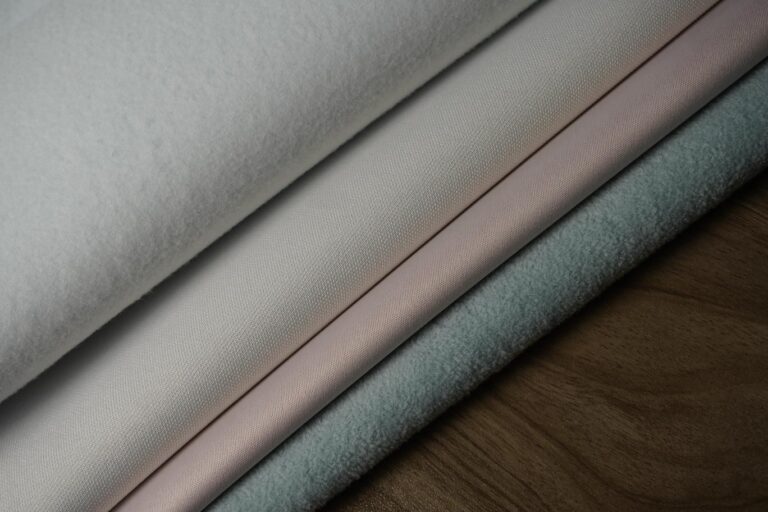
Ask a supplier for semi PU and the quote will arrive with a backing notation. Expect T/C, cotton flannel, knitted, non-woven, or woven twill. Most buyers skim past it. That is a mistake. The backing decides how the material behaves in production long before any test lab gets involved.
- Knitted backing stretches and recovers. It suits curved panels and tight-back sofa designs. It can wander during cutting if the cutter is not calibrated for it.
- Woven T/C backing holds dimension and seam strength. It is the safe choice for flat panels and structured headboards.
- Cotton flannel backing adds body and a soft drape. It reads premium in hand and cushions embossed grain.
- Non-woven backing is the budget option. It works for bag goods and low-stress panels, and it delaminates first when peel strength is marginal.
Two rolls with identical surfaces but different backings will sew, stretch, and age differently. Pin the backing into the spec sheet alongside thickness and weight, and demand a peel strength number for the chosen combination.

Fold and drape behavior starts in the backing, not the surface coat.
Zone Allocation: Where Semi PU Wins and Where It Fails
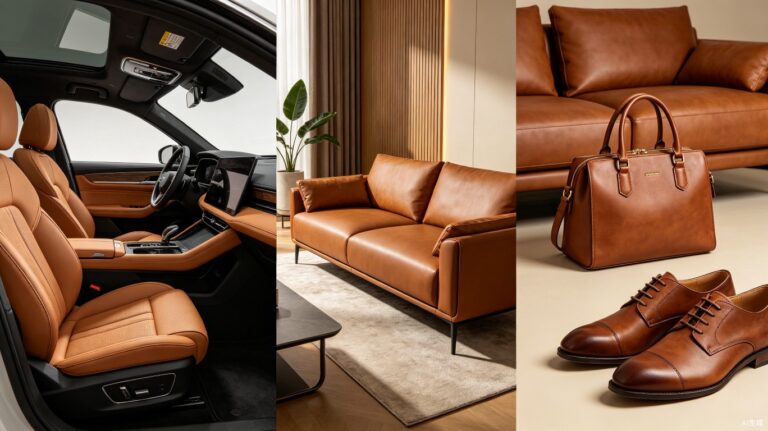
A sofa is not one wear environment. It is several, and a value-engineered program assigns material by zone. Outside backs and outside arms see light contact, mostly against walls and clothing. Seat decks and inside arms see body weight, denim abrasion, and thousands of flex cycles a week. One grade serves quietly for eight years on an outside back. The same material can split at a seat welt in three.
The failure mechanism is flex, not abrasion. Repeated bending works the coating bond at high-stress fold lines until the surface separates from the base. That is why zone discipline matters more than grade-shopping. A practical allocation for a residential sofa program looks like this:
| Panel Zone | Wear Profile | Recommended Construction |
|---|---|---|
| Outside back, outside arms | Light contact, no body load | Semi PU with woven T/C backing |
| Inside arms, headrests | Skin oils, hair products, moderate flex | Full PU or silicone, cleanable surface |
| Seat decks, cushions, welt seams | Body load, denim abrasion, constant flex | Silicone or high-spec microfiber only |
| Hidden dust covers, structural wraps | Never seen in service | Entry-grade non-woven backed PU |
Zone allocation is also how you defend a price point. Spending the saved cost difference on a better seat surface nets out to roughly zero. And the sofa stops failing in its most visible spot. This is the discipline we apply across our furniture and sofa applications when clients bring us a bill of materials to review.

Test the grade in the zone where it will actually serve, not on a generic coupon.
The Test Numbers That Separate Good Semi PU From Cheap
Three numbers do most of the sorting. First, flex endurance. A Bally flex test past 50,000 cycles shows whether the bond survives a seat deck or only a headboard. Second, peel strength between coating and backing, which predicts delamination at welts and piping. Third, Martindale abrasion matched to the zone: roughly 20,000 cycles for residential service and far more for contract work.
Ask for the numbers per construction, per backing. A supplier who answers with adjectives is telling you their incoming material varies. One more production-floor note: run the tests on the exact composite you will buy, surface chemistry plus backing. A grade that passes on knit backing can fail on non-woven. This is standard discipline at any serious coating plant. It is the same reason we publish test data with every roll we ship.
When to Skip Semi PU and Step Up
Three signals say the hybrid has reached its limit. Humid export markets accelerate PVC plasticizer loss. Programs shipping to tropical or coastal climates should move the wear panels to hydrolysis-proof chemistry. Contract and hospitality furniture sees abuse no residential zone table anticipates. And regulated buyers increasingly want solvent-free, plasticizer-free documentation that a PVC base cannot provide.
The natural step up is silicone-based material. It contains no plasticizers to migrate and no solvents to document. It holds a 10-15 year service life in humid conditions that cut conventional PU to 3-5 years. For teams weighing the ladder, our full vs semi silicone leather comparison applies the same logic one tier up. The silicone leather introduction page explains the chemistry behind the jump.

Match the construction to the panel: chairs mix light-wear and high-wear zones in one frame.
Build the Zone Map Before You Quote
Semi PU is an allocation decision, not a catalog line item. Before your next RFQ, take four steps:
- Map every panel of the frame into wear zones, from hidden wraps to seat decks
- Assign construction per zone, spending the budget where bodies actually sit
- Pin backing type and peel strength into the spec for every zone
- Collect flex, peel, and Martindale numbers per composite before approving the run
Do that, and the hybrid grade does exactly what it was engineered to do. It carries the low-wear panels at a defensible cost. The high-wear surfaces carry the warranty. Want a second pair of eyes on a bill of materials? Send it over with your target price. We will mark it up panel by panel.
Get a Panel-by-Panel BOM Review
Is semi PU leather durable?
Zone by zone, yes. On low-wear panels like outside backs it serves comfortably for many years. On seat decks its PVC base and coating bond flex out in roughly 2-3 years of daily use. That is why we do not recommend it for body-loaded surfaces.
Which backing should I choose for semi PU?
Match it to the panel. Knitted backing for curved, stretch-prone areas. Woven T/C for flat, structured panels that need seam strength. Cotton flannel where hand feel sells the product. Non-woven only for hidden or short-cycle use.
Request Zone-Tested Sample Sets
About TOPSUN
TOPSUN engineers silicone-based leather for furniture producers replacing PU and semi PU programs, supporting panel-level material allocation from 500-meter MOQs.
Plasticizer-free, solvent-free construction with a 10-15 year service life, Martindale up to 200,000+ cycles for contract seating, and SGS test reports with every order.
References
1. https://www.solamnileather.com/What-Is-Faux-Lea… — Semi-PU described as a hybrid grade: tough PVC base layer with a thin, supple PU top coat balancing cost and softness
2. https://www.tebolileather.com/blog/how-is-semi-… — Semi PU production starts from woven or non-woven base fabric selected as the foundation layer