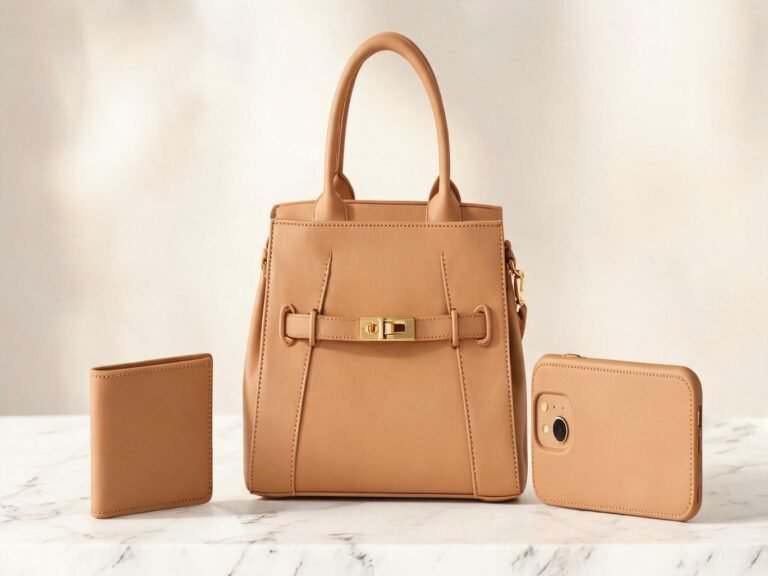
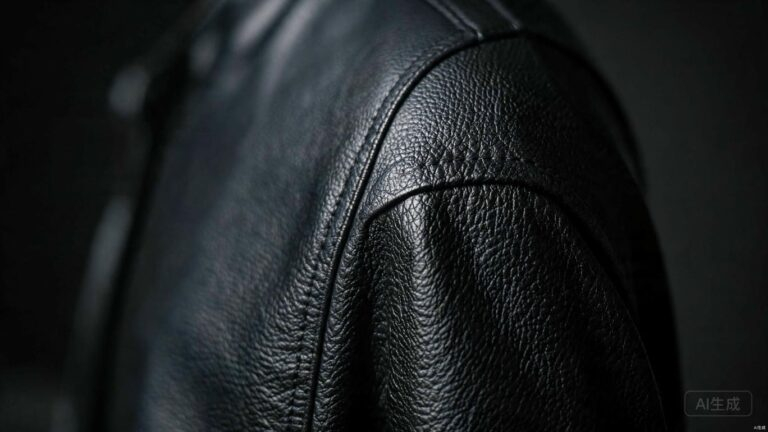
Last autumn, a handbag brand we work with scrapped an entire strap program three weeks before launch. The PU supplier had switched coating batches without notice, and the new straps crackled at the buckle. The design director’s question was not about chemistry. It was about trust: how could a material that looked identical on paper fail so differently in the hand? That question sits at the exact crossing of fashion and textile, where a mood board meets a mill. Most collections quietly win or lose their margin there.
I specify materials for fashion accessories and small leather goods. My job is to translate a designer’s adjectives into test clauses a factory can hit. This article walks through that translation: what fashion brands ask for first, which numbers protect the aesthetic, and how to brief a coated fabric partner without slowing the line.
Where Fashion and Textile Actually Meet
Fashion thinks in seasons, silhouettes, and stories. Textiles think in grams per square meter, cycles, and grades. The crossing point is a material decision, and it is where the two vocabularies collide. A designer says a strap must feel “buttery but structured.” A mill hears thickness, elongation, and surface friction. Neither is wrong. The collection only ships when both languages describe the same roll.
The market is pulling this crossing point toward new chemistries. Plant-based vegan leather stood at USD 5.43 billion in 2025 and is projected to reach USD 10.98 billion by 2035, a 7.3 percent CAGR, driven by cruelty-free demand and new applications across clothing, bags, and footwear. For an introduction to the chemistry behind these alternatives, our silicone leather overview covers the basics. The growth is real. So is the confusion on the showroom floor, where three materials can carry the same “vegan” tag and behave nothing alike.
What Fashion and Textile Brands Ask For First
Every brand brief lands on the same three questions, asked in the same order. The table below converts them into spec lines a supplier can quote against.
| Design Question | What It Really Means | The Spec Line |
|---|---|---|
| Does it feel premium? | Hand, drape, and surface memory | Thickness range; 100+ texture options |
| Will the color match? | Pantone/RAL accuracy across lots | Grade 4-5 fastness; Delta E control |
| Will it survive the season? | Friction, sweat, sun, flexing | Martindale 200,000+; UV 1,500+ hours |
| Can we tell the story? | Verifiable material claims | FTIR, VOC ND, REACH documents |
| Can it ship small? | Pilot runs without warehouse risk | MOQ 500 m; delivery 7-15 days |
The market context explains the urgency behind these questions. PU still accounts for roughly 90 percent of vegan leather production, which means most “alternative” materials on a brand’s shortlist share the same plasticizer and hydrolysis risks as the material it replaced. Designers asking for something different are usually asking for chemistry they have not been shown. Plant-based leathers answer the story brief but often trail on hand feel and durability, which is exactly where the next section applies.
Hand feel deserves its own paragraph, because it kills more programs than color ever does. A designer judges a material within three seconds of touch: fold resistance, surface sound, the way a corner falls back. Lab sheets cannot capture that verdict. The practical fix is physical comparison. We put candidate rolls next to the brand’s benchmark material in the same thickness range. The room decides in one session. A spec line that ignores this ritual will lose to a swatch that respects it.

Every new-chemistry swatch still has to survive the same brief.
The Durability Test Behind the Aesthetic
Fashion products fail in ways catalog photos never show. A belt strap flexes thousands of times at the same point. A crossbody bag rubs against denim, which acts like fine abrasive paper. Sunscreen, sweat, and city grime sit on handles for months. A window display bakes under retail lighting that would fade ordinary surface color within a season.
Each failure mode has a number, and the numbers belong in the brief. Flexing endurance predicts strap life at the buckle. Abrasion cycles predict how a bag face weathers denim contact. Grade 4-5 color fastness keeps a red collection red after a summer on the shelf. UV resistance above 1,500 hours protects window displays. A tolerance range from minus 40 to 200 degrees C covers everything from cold-chain logistics to a car dashboard in July. Our fashion and sports applications page lists how each number maps to a product type.

Saturated color is a fastness grade before it is a mood.
Color adds a second layer of discipline. A seasonal palette might hold twelve shades, from saturated red to dusty metallic. Every shade must survive the same abuse calendar. That is why release paper texture matters as much as pigment. The same red reads differently across a lychee grain and a silk grain, because the surface bends the returning light. Brands that lock texture and color into the spec avoid the January surprise: right pigment, wrong surface.
This is also where chemistry choice becomes a design decision. Semi-silicone coatings put more emphasis on cost and hand feel for controlled-use products. Full-silicone construction buys the hydrolysis and UV headroom for products that live outdoors or in hot cabins. The trade-offs are laid out on our full versus semi-silicone page. Choosing the tier early prevents the classic failure: a beautiful pilot that cannot survive its second production run.
Sustainability Stories That Survive Scrutiny
The marketing pressure is real, but so is the skepticism. A 2025 McKinsey survey found 67 percent of consumers consider sustainability important when buying apparel, yet only 22 percent will pay more than a 5 percent premium for it. Shoppers want the story without the surcharge. A material claim therefore has to earn its place in the price already agreed, and it has to survive the scrutiny of people who read labels for a living.
Regulation is tightening the screws. The EU Digital Product Passport will require full supply chain transparency by 2027, and similar rules are emerging in the US and Asia. At the same time, consumer awareness of microplastic pollution has put every synthetic claim under a microscope. In this environment, “eco-friendly” printed on a swatch card is a liability unless documents back it. Solvent-free production records, FTIR spectra, and VOC results of ND turn the story from a slogan into a spec.
Care instructions belong to the same story. A strap that survives alcohol sanitizers and hand cream needs fewer returns, and fewer returns are a sustainability metric no campaign can fake. Longevity is the quietest green claim in fashion: a material rated for 10 to 15 years of service replaces itself half as often, which halves the footprint of the replacement cycle. Write that arithmetic into the brand’s responsibility page, with the test reports one click away.
Silicone coated materials for clothing accessories, from straps to trims.
From Spec to Shelf Without Slowing the Line
Speed wins collections. A coated fabric partner should work on the designer’s calendar, not against it. The practical checklist is short. Swatches against the Pantone code within days, not weeks. Pilot yardage at an MOQ a capsule collection can absorb, commonly 500 meters. Color and texture matched across 100+ release paper options so the look is chosen, not compromised. Delivery inside 7 to 15 days keeps a launch date honest when a trend window is open.

Seasonal palettes are sample racks long before they are lookbooks.
The final habit is documentation discipline. Every approved swatch gets a lot number, and every shipment gets the reports attached. When a strap program scales from 500 meters to 50,000, the paper trail is what keeps roll number 4,000 identical to the one the design director approved.
Communication rhythm completes the system. We send photos of the actual production roll before it ships, not renders of what it should look like. If a texture runs slightly softer than the approved standard, the brand hears it from us first and decides with time to spare. Suppliers who report variance early become partners. Suppliers who hope nobody notices become the story that opened this article.

The approved sample is a contract; the paper trail keeps it one.
Fashion and textile meet in one document: a spec sheet a designer trusts and a factory can hit.
Brief Us on Your Next Collection
Request Fashion-Grade Swatches with Test Reports
Frequently Asked Questions
Is silicone leather suitable for garments, or only accessories? Accessories, straps, trims, and structural details are the sweet spot today. Garment panels demand drape and weight targets that depend on the pattern, so the honest answer starts with the specific style. Send the pattern and the bend radii; the material recommendation follows the geometry, not the other way around.
How fast can a custom color move from Pantone code to pilot run? Swatch stage is measured in days once the code is confirmed. Pilot yardage follows inside the standard 7 to 15 day delivery window, with grade 4-5 fastness and Delta E control documented per lot. The bottleneck is almost never the mill; it is the approval loop on the brand side.
References
- https://www.globalgrowthinsights.com/market-rep… — Plant-based vegan leather market at USD 5.43 billion in 2025, projected to USD 10.98 billion by 2035 at 7.3% CAGR, spanning clothing, shoes, and bags.
- https://apparel.alibaba.com/product/vegan-pu-le… — Vegan PU leather sourcing guide 2026: polyurethane still accounts for about 90% of vegan leather production, with rising consumer skepticism over microplastics.
- https://yxxfabric.com/insights/the-new-sustaina… — McKinsey 2025: 67% of consumers value sustainability in apparel, only 22% will pay more than a 5% premium; EU Digital Product Passport mandates transparency by 2027.