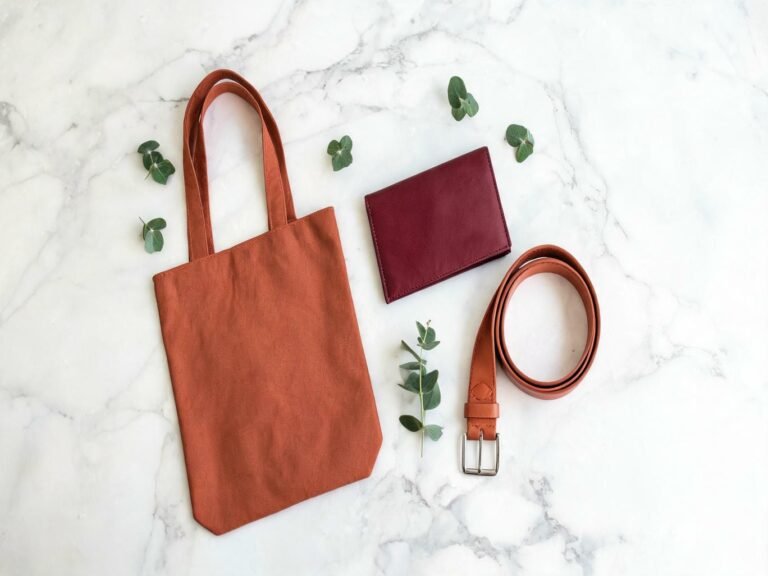
The luxury handbag market is undergoing a quiet revolution. Stella McCartney, Hermès, and a wave of emerging designers have moved beyond token sustainability collections to make vegan materials a core part of their product strategy. For sourcing teams at fashion brands, this shift raises a practical question: which vegan handbag material actually delivers the hand-feel, durability, and environmental integrity that a $300+ bag demands? The answer is more nuanced than the marketing suggests.
Not all vegan leathers are created equal. A purse material labeled “eco-friendly” can range from a polyurethane blend with marginal improvements over PVC to a genuinely sustainable handbag material made with solvent-free chemistry. Understanding the difference is essential for brands that want to make claims they can defend — and avoid the greenwashing accusations that are increasingly landing on fashion companies.
Request Vegan Leather Swatches
The Vegan Leather Landscape: Beyond the Marketing Label
“Vegan leather” is an umbrella term, not a material specification. It tells you what the material is not (animal-derived) but nothing about what it actually is. For handbag sourcing, the material family matters enormously because it determines performance, cost, and environmental impact. Here are the main categories competing for the luxury vegan bag market:
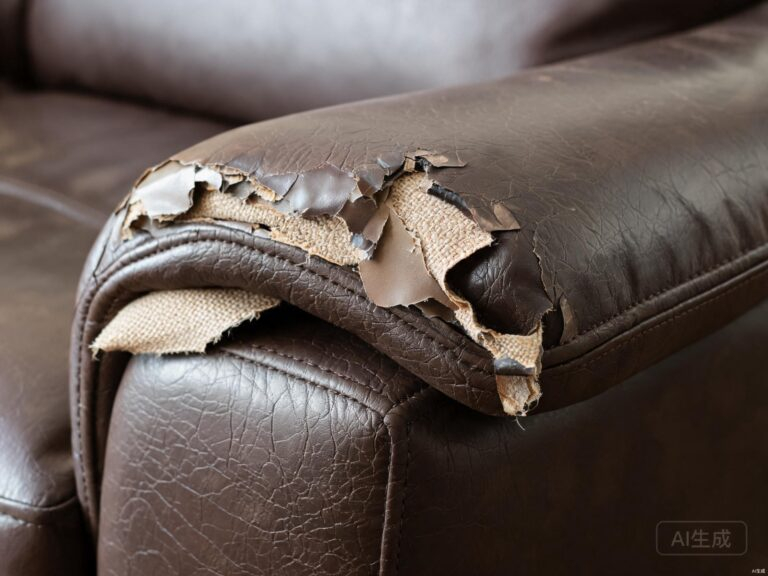
- PU (polyurethane) leather: The most common “vegan leather” on the market. Flexible and inexpensive, but manufactured with DMF solvent, prone to peeling within 1–2 years, and not biodegradable. Its environmental advantage over PVC is real but limited.
- Plant-based leathers (apple, grape, cactus, mushroom): Exciting from a storytelling perspective, but currently limited in scale, durability, and color consistency. Most are actually PU-based composites with a small percentage of plant filler — the “apple leather” label often masks a material that is 70% polyurethane.
- Silicone leather: A solvent-free silicone-coated fabric that delivers genuine leather-like hand-feel without any animal content or plasticizer chemistry. Fully recyclable, UV-stable, and available in the rich colors and embossed textures that luxury handbags require.
- Recycled PET fabrics: Made from plastic bottles, these score well on waste diversion but lack the structured, leather-like drape that handbag construction demands. Better suited for linings than outer shells.

The greenwashing trap: A handbag labeled “vegan” and “eco-friendly” that is made from solvent-based PU is neither sustainable nor toxin-free. The only way to verify a genuine eco friendly bag material is to request the solvent content declaration, REACH compliance certificate, and recyclability documentation from the supplier.
Performance Comparison: What Actually Goes Into a Luxury Bag
A luxury vegan bag needs to do more than look good on a product page. It must hold its shape over years of use, resist the abrasion of a shoulder strap, survive being set on floors and tabletops, and maintain its color in display lighting. The material comparison below evaluates the leading handbag leather alternatives on the criteria that determine whether a bag earns repeat purchases or generates returns:
| Criterion | Silicone Leather | PU Leather | Plant-Based (Apple/Grape) |
|---|---|---|---|
| Hand-feel | Soft, leather-like, premium | Smooth, slightly plastic | Variable — often grainy |
| Abrasion resistance | High — 10,000+ Martindale | Moderate — peels at stress points | Low to moderate |
| Color fastness (UV) | Excellent — pigment-stable | Fades over time | Inconsistent across batches |
| Solvent content | Zero — solvent-free process | DMF-based | Often PU-bonded (contains DMF) |
| End-of-life | Mechanically recyclable | Not recyclable — landfill | Partially biodegradable (varies) |
| Production scale | Industrial — consistent supply | Mass market | Limited — small batch only |
The pattern that emerges: plant-based leathers win on storytelling but lose on consistency and scale. PU leather wins on cost but fails on sustainability and longevity. Silicone leather is the only option that performs as a genuine luxury handbag material while maintaining a verifiable environmental profile. For brands that have explored the broader faux leather fashion landscape, this conclusion aligns with what experienced sourcing teams are increasingly concluding.

Sustainability Claims You Can Actually Defend
Fashion brands face growing scrutiny over environmental claims. The EU’s Green Claims Directive and similar regulations in California require substantiation for any sustainability assertion made in marketing. “Vegan” alone is no longer sufficient — regulators and consumers want to know whether the alternative material is actually better for the planet.
Silicone leather provides a defensible position on multiple fronts. The production process uses no solvents — meaning zero DMF emissions, zero VOC release, and no plasticizer migration. The material is recyclable through mechanical separation of the silicone coating and fabric backing. And because silicone is derived from silica (sand), one of the most abundant elements on Earth, the raw material sourcing does not compete with food crops or require petroleum extraction.
This stands in contrast to PU-based “vegan” leathers, where the environmental cost of solvent recovery, the non-recyclable end-of-life profile, and the petroleum-derived polyurethane itself undermine the sustainability narrative. For a deeper analysis of why silicone represents a genuinely sustainable vegan leather choice, our previous coverage breaks down the lifecycle data in detail.

Construction and Aesthetics: Matching Luxury Expectations
A handbag material can be sustainable and durable, but if it does not look and feel luxurious, it will not sell at a premium price point. This is where silicone leather has made its biggest strides. Modern embossing technology can replicate the full range of traditional leather grains — pebble, saffiano, nubuck, smooth Nappa — with a fidelity that is difficult to distinguish from animal leather by touch alone.
For handbag construction specifically, the material needs to handle:
- Edge painting and finishing: Silicone leather accepts edge paint cleanly and holds a crisp fold line without cracking — essential for structured bag silhouettes.
- Stitching: The textile backing provides tear resistance at stitch holes, preventing the “pull-through” failure that plagues thin PU materials at stress points like handle attachments.
- Hardware bonding: Rivets and clasps seat firmly without the surrounding material deforming or tearing over time.
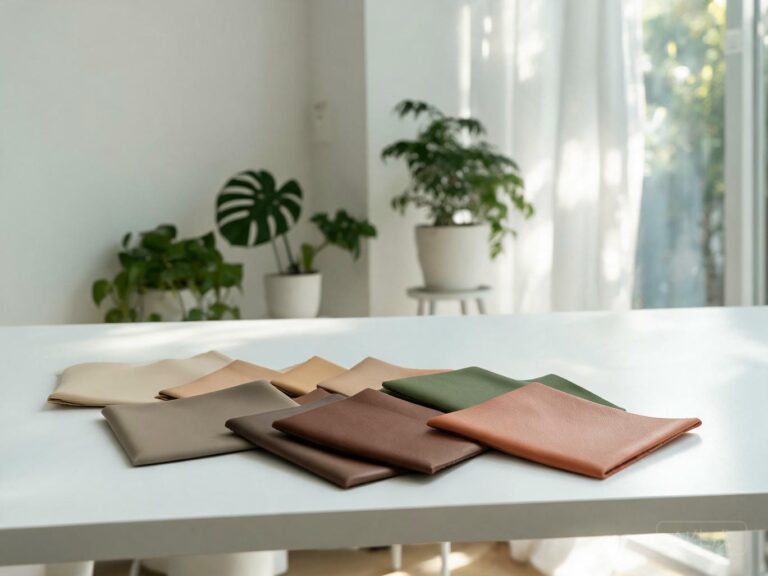
- Color depth: Silicone pigments produce rich, saturated colors — from deep burgundy to forest green — that maintain their depth under varying light conditions.
These are not theoretical advantages. In our work with fashion accessory brands, the materials that perform best in long-term durability testing are consistently those with a structured textile backing and a resilient surface coating — which is exactly what silicone leather provides. The fashion and sports application page shows how these properties translate across product categories.
Frequently Asked Questions
Is silicone leather truly vegan?
Yes. Silicone leather contains no animal-derived materials at any stage of production. The silicone coating is synthesized from silica (sand), and the fabric backing is typically polyester or nylon. No animal testing is involved. The material is suitable for brands certified by organizations like PETA’s vegan certification program.
How long does a silicone leather handbag last compared to PU?
In our experience, a silicone leather handbag maintains its structural and aesthetic integrity for 3–5 years of regular use. PU leather bags typically begin showing surface cracking and edge peeling within 12–18 months. The longevity difference is most visible at stress points — handles, corners, and flap folds — where PU delaminates but silicone leather holds firm. See our analysis of vegan leather durability for testing data.
Can silicone leather achieve the same textures as genuine leather?
Yes. Custom embossing rollers can replicate virtually any leather grain pattern — from fine pebble to full crocodile. The silicone surface accepts texture detail with high fidelity, and the texture remains stable over time because the material does not shrink or stretch like PU. Pantone-matched colors are also available for brand-specific shades.
The Material Decision That Defines Your Brand’s Future
Choosing a vegan handbag material is no longer just a sourcing decision — it is a brand positioning decision that consumers, regulators, and investors will judge. Silicone leather offers fashion brands a rare combination: genuine sustainability backed by solvent-free chemistry, luxury-level aesthetics that hold up over years of use, and industrial-scale supply that plant-based alternatives cannot yet match. For brands serious about building a vegan product line that does not compromise on quality or integrity, requesting physical swatches and running your own abrasion, flex, and color-fastness tests is the logical next step. The material speaks for itself once you hold it.
About TOPSUN
TOPSUN produces solvent-free silicone leather for fashion brands, accessory manufacturers, and luxury product lines. Our vegan handbag material is available in custom textures, Pantone-matched colors, and thicknesses from 0.6 to 2.0 mm — all manufactured without DMF, plasticizers, or VOC emissions.
Relevant compliance: REACH · RoHS · PAHs · Solvent-free certified · Recyclable material · ISO 9001 production