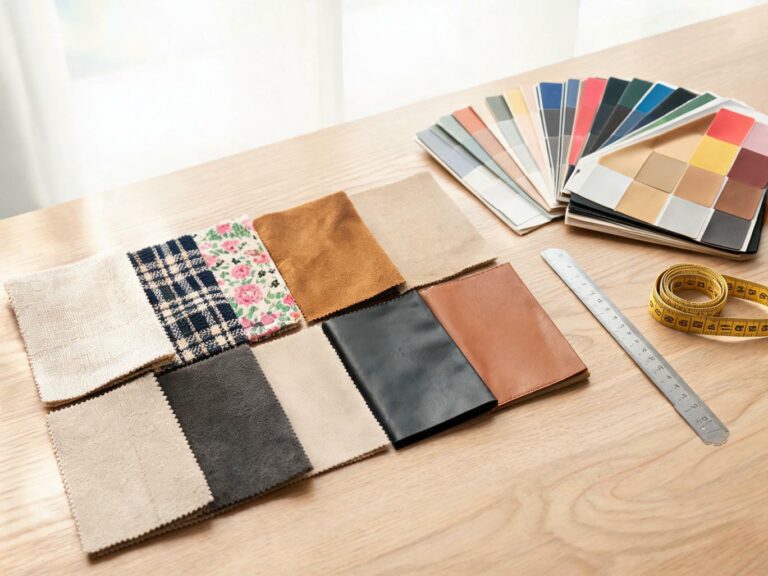
How do you discover fabrics that survive a spec review? Where should the process start? What separates a swatch you like from a material you can defend in a meeting? Most design teams still begin with a courier bag of samples. The trouble arrives later, when procurement asks for numbers. Treat discovery as five moves that convert touch into test data. This article follows one specifier through those moves, from first contact to a signed pilot batch. Each move produces one deliverable, and the deliverables stack into a specification file.
How Designers Discover Fabrics Today
Ask ten studios how they discover fabrics and you will hear ten systems. Swatch books arrive by courier. Trade shows compress a year of sourcing into three tired days. Social feeds drop textures into mood boards without a single test value attached. The result is a fragmented library, and fragmentation is expensive.
Fragmentation also explains why discovery projects stall. A designer emails three suppliers, and each replies with a different test vocabulary. One quotes Martindale, one quotes Wyzenbeek, and one sends a photo. Nobody can compare the three answers without a translator. Weeks pass, and the swatch that felt right in week one is already stale. A written requirement sheet, the deliverable of move one, prevents most of this drift.
Digital material libraries are closing that gap. One textile discovery platform now curates more than 10,000 functional fabrics in a structured database, with AI filtering and high-definition digital twins standing in for early physical samples. The stated goal is to reduce the waste of redundant physical sampling. Designers screen candidates on screen, then courier only the shortlist.
Buyer expectations moved in the same direction. Across 2026 decor supply reviews, buyers ask harder questions about consistency, replacement cycles, and environmental claims. Textile-based supply in particular faces closer review for flame performance, recyclability, and fiber traceability. Analysts note that dependable documentation and repeatability now win over visual novelty.
Read those signals together and one conclusion follows. Discovery can start with beauty, but it has to end with a file. A texture that cannot produce test data, certificates, and traceable batches is a mood, not a material. The specifier’s job is to turn the mood into paperwork before the budget meeting, not after it.

Discovery begins as a sketch and ends as a document.
The Hand-Feel Question Comes First
Every discovery process still starts with a hand. Meet the case we will follow: Dana, a specifier at a hospitality group, runs her palm across a silicone-coated swatch. The surface is matte, warm, and lightly textured. Her notes read soft, clean, premium. Those words feel like progress. They are not yet data.
Hand feel does carry real information. A fingertip reads thickness range, surface grain depth, and drape behavior faster than any brochure. Our own surface library holds 100+ embossed textures, and coated constructions run from 0.23 to 3.0 mm thick. Two candidates that look identical on screen can sit far apart on touch.
Drape deserves its own note in the file. A fabric that looks structured on a flat table can collapse into folds on a curved chair back. Designers check this by draping the swatch over a rounded form and watching the fall. Digital twins now simulate the same behavior on screen. Use the simulation for screening, then confirm the fall on the physical sample before the spec is written.
The risk is stopping there. Feel-based notes are not comparable across suppliers, and they cannot survive a challenge in a budget meeting. Supply analysts watching the 2026 decor market flag one hidden cost in particular: when a supplier substitutes a material, the whole approval cycle restarts with new samples. A swatch chosen on vibes alone invites exactly that loop.
Dana’s next step is the one that matters. She keeps the touch notes, then translates each adjective into an instrument term. Soft becomes a thickness value and a drape figure. Clean becomes a stain protocol. Premium becomes a grain depth she can photograph and match. The five moves below show how the translation works in practice.

Texture samples turn an adjective into a comparable reference.
Discover Fabrics in Five Moves: Touch to Test Data
Five moves take a hand-feel impression to a specification file. Each move has one deliverable, and no move is optional.
| Step | Move | What It Produces |
|---|---|---|
| 1 | Define the need in writing | Environment, exposure hours, cleaning agents, budget band |
| 2 | Feel with instruments | Thickness, drape, and grain data instead of adjectives |
| 3 | Test the surface | Rub counts, color fastness, and stain reports per candidate |
| 4 | Check the documentation | Flame, VOC, REACH, and traceability certificates |
| 5 | Pilot before bulk | A signed pilot batch inside the MOQ and lead time |
Move one looks bureaucratic and saves the most money. Write down where the material will live: lobby chairs that take alcohol spray, or theater seats that take evening humidity. List the cleaning agents your crews actually use. Set the budget band before samples arrive, because the band eliminates half the field without a single test.
Move two is where touch becomes physics. Ask each supplier for thickness tolerance, drape behavior, and grain specification in numbers. A coated fabric quoted across 0.23 to 3.0 mm is not one product. It is a family, and only the written range tells you which member you tested.
Move three turns marketing into laboratory output. Request rub counts on the actual construction, with the method named beside the number. Color fastness should come back at grade 4-5 for commercial work, and the stain protocol should list the chemicals tested. A report that hides the method is a brochure with staples.
Move four is the file check. Flame performance, VOC data, REACH compliance, and batch traceability belong in one folder before the shortlist shrinks to three. The 2026 reviews say documentation wins orders now. Build the folder while you still have leverage, not after the award.
Move five protects the launch. Order a pilot batch within the supplier’s minimum, often 500 meters, on a 7-15 day turnaround. Walk the material through your real cleaning crew before you sign the annual volume. Dana signs off on pilot results the same week she touches the final swatch. That habit is why her projects survive the second year.

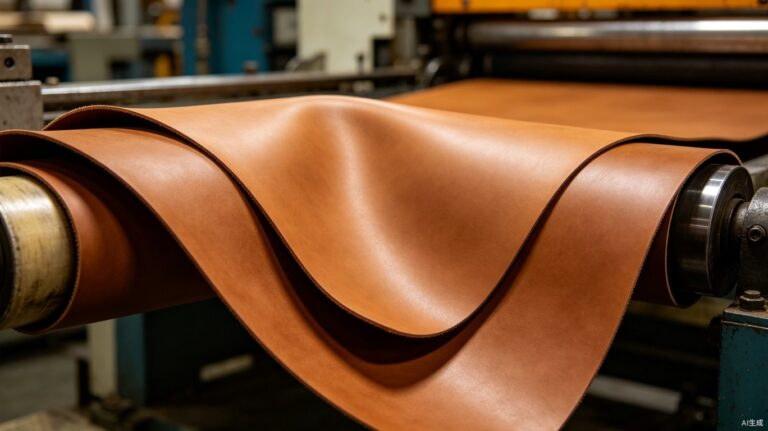
Pilot batches reveal what swatch books never show.
Request a Sample Kit with Test Reports
Custom Color and Texture Discovery at Scale
Discovery does not end at the standard line. Custom programs are where designers stop choosing and start specifying. Brand colors can be matched to Pantone or RAL references, and embossed textures can be developed against a physical sample you supply. When the custom color arrives, verify it the same way as everything else: color fastness at grade 4-5, tested under the light and chemistry your project will see.
Color work follows its own mini process. Start from a physical reference, not a screen value, because monitors shift hue with every display. Send the reference to the lab and ask for a drawdown card first. Compare the card under both daylight and store lighting. Approve the card, then run the full fastness panel on the coated construction. Skipping the drawdown step is how brands end up with a lobby that looks different from the render.
The same logic scales to texture. The walkthrough below shows the range a single construction family can carry, from fine grain to deep emboss.
One family, many grains: texture variety in 60 seconds.
Texture choice changes more than looks. Deep grain hides wear and resists showing pressure marks. Fine grain photographs cleaner and suits tight, modern spaces. Both options can share one chemical platform, so the test file from move three stays valid across the family.
Custom discovery also changes who you talk to. A supplier with in-house texture development and color labs answers questions in days, not seasons. The two application pages below show where this matters most in our own work. Fashion and sports goods push surface feel and color depth hardest. 3C accessories demand tight tolerances on thin constructions. Both run on the same translation habit: feel first, numbers immediately after.

A brand color is a spec once fastness data sits behind it.
About TOPSUN
TOPSUN manufactures silicone-coated fabrics for automotive, furniture, healthcare, fashion, and electronics programs in 30+ countries. The surface library holds 100+ embossed textures, with Pantone and RAL color matching done in house. Orders ship with SGS test reports, third-party inspection is welcome, and monthly capacity runs at 500,000 meters. The MOQ sits at 500 meters with 7-15 day delivery. See the company profile for the full equipment list.
Two Moves to Run This Week
Two actions will improve your next discovery round before another sample box arrives:
1. Write the environment definition first, before you open one more swatch book, and make every supplier answer it in writing.
2. Request one test report per candidate with the method printed beside every number, and file the certificates the same day they arrive.
Do both, and the next budget meeting becomes a formality instead of a fight. Touch still starts the process. Data finishes it.
Talk to Our Design Support Team
References
1. https://nunox.io/nx-marketspace/ – Textile material discovery platform: 10,000+ curated functional fabrics, AI filtering, digital twins that cut redundant physical sampling (2026)
2. https://www.rcgeotech.com/news/furniture/decor/… – 2026 decor supply review: buyers demand documentation and traceability; material substitution restarts approval cycles (2026)