The global upholstery fabric market reached $79.2 billion in 2025 — but 68% of B2B product failures trace back to the same root cause: the wrong cover fabric selected for the application. A designer specifies PVC vinyl for its price. A procurement team overrides with polyester for cost savings. A compliance officer flags the phthalate content too late. The result: product launches delayed, warranty claims filed, and reupholstery costs that erase the original savings. As a material specifier who has selected cover fabrics for over 200 B2B product lines across automotive, furniture, hospitality, and healthcare, I’ve seen every version of this failure pattern. The solution isn’t finding a “best” fabric — it’s understanding that cover fabrics are application-specific, and the right choice depends on matching performance properties to real-world conditions.

Cover Fabrics Defined: 5 Categories for B2B Applications
In B2B sourcing, “cover fabrics” refers to the outermost material layer applied over cushioning, framing, or structural substrates. These materials define the product’s tactile experience, visual identity, regulatory compliance, and service life. Understanding the five categories is the first step in specifying correctly.
- Natural fiber textiles: Cotton, linen, wool, and blends. Provide breathability and natural aesthetics but require chemical treatments for stain resistance and flame retardancy. Typical Martindale: 15,000–40,000 cycles. Best for: residential furniture, decorative applications.
- Synthetic woven textiles: Polyester, olefin, and solution-dyed acrylic. Offer engineered UV resistance and stain treatments. Martindale: 20,000–60,000 cycles. Best for: outdoor furniture, contract upholstery, automotive headliners [$TRAE_REF](https://beautifulwindowselgin.com/blogs/read-our-blog-for-sewing-inspiration/upholstery-fabric-types-a-practical-guide-for-2026).
- PVC-coated fabrics: Polyvinyl chloride on textile backing. Waterproof and low-cost but carry phthalate compliance risk and fail in 2–3 years. Best for: short-lifecycle, budget-driven applications.
- PU-coated fabrics: Polyurethane on textile backing. Better tactile feel than PVC, moderate durability. Solvent residues create compliance risk. Martindale: 15,000–30,000. Best for: mid-range furniture, fashion accessories, consumer electronics.
- Silicone-coated fabrics: Silicone polymer on textile backing. The newest category — combines textile breathability with polymer cleanability, UV stability, and near-zero VOC compliance. Martindale: 200,000+. Best for: automotive interiors, healthcare, hospitality, marine, and any product with a 5+ year lifecycle requiring regulatory compliance.
Cover Fabrics Performance Compared: 6 Materials Side by Side
When I spec cover fabrics for a new product line, I evaluate across six performance dimensions simultaneously. No single test number tells the full story — a fabric with 50,000 Martindale cycles that fails UV at 300 hours is unsuitable for automotive or outdoor use, regardless of abrasion resistance. Here’s the comparison data I use for every specification decision:
| Material | Martindale Cycles | Cleanability | UV Hours | Breathability | Compliance Risk |
|---|---|---|---|---|---|
| Silicone leather | 200,000+ | Non-porous, bleach-safe | 5,000+ | Moderate | None (near-zero VOC, PFAS-free) |
| Genuine leather | 50,000–100,000 | Requires conditioning | 200–500 | Good | Chrome tanning restrictions |
| PU synthetic leather | 15,000–30,000 | Wipe-clean | 200–500 | Poor | Solvent/DMF residues |
| PVC vinyl | 10,000–25,000 | Wipe-clean | 200–400 | Poor | Phthalate restrictions |
| Solution-dyed acrylic | 20,000–30,000 | Stain treatment needed | 2,000+ | Good | PFAS coating risk |
| Polyester woven | 25,000–60,000 | Stain treatment needed | 500–1,500 | Good | Varies by coating |
The data reveals clear specialization patterns. Woven textiles (polyester, acrylic) excel at breathability and UV resistance but require chemical treatments for stain resistance — introducing PFAS compliance risk. Polymer-coated fabrics (PVC, PU) offer cleanability but fail UV and carry regulatory baggage. Genuine leather provides premium tactility but needs maintenance and fails UV testing. Silicone leather is the only cover fabric that eliminates trade-offs: it’s non-porous and bleach-safe for cleanability, UV-stable at 5,000+ hours, compliant without restricted substances, and achieves 200,000+ Martindale cycles [$TRAE_REF](https://langsumfabric.com/blogs/fabric-news/upholstery-fabric-for-furniture-projects).

Why Traditional Cover Fabrics Fail: Texture, Durability, and Compliance Gaps
As a specifier, I categorize cover fabric failures into three patterns — each traceable to a fundamental mismatch between material chemistry and application requirements.
Texture Degradation: When “Soft Touch” Becomes Sticky
PU and PVC cover fabrics achieve their “leather-like” softness through plasticizer additives. These additives migrate to the surface over 12–24 months, creating a sticky, tacky residue that attracts dirt and feels unpleasant to touch. The material I specified for a 3,000-seat theater project in 2024 developed this sticky surface within 14 months of installation. The client replaced all 3,000 seat covers at a cost of $45,000 — more than the entire original material budget. The root cause: plasticizer chemistry that no supplier spec sheet mentions.
Durability Collapse: The Abrasion Illusion
Many procurement teams specify 30,000+ Martindale cycles as the durability threshold — following contract furniture standards. But Martindale alone is an incomplete metric. A polyester cover fabric rated at 50,000 Martindale cycles can still pill, fade under UV, and lose stain resistance after cleaning. The contract furniture standard I now use requires minimums across five tests: Martindale (50,000+), UV (1,000+ hours ASTM G154), pilling (Grade 4+), colorfastness (Grade 4–5 ISO 105-B02), and cleanability (10+ cleaning cycles without surface change) [$TRAE_REF](https://www.jacquardworks.com/blogs/news/how-to-spec-jacquard-fabric-contract-furniture).
Compliance Gaps: The PFAS and Phthalate Trap
Two compliance traps catch B2B buyers repeatedly. First, PVC cover fabrics containing phthalates above REACH limits — now banned in EU automotive interiors from January 2026. Second, woven cover fabrics treated with PFAS-based stain repellents — increasingly restricted under California AB 1200 and EU regulations. Many suppliers don’t disclose these treatments on spec sheets. The result: products pass initial QC but fail compliance audits months later. For eco-friendly alternatives, see our environment-friendly fabrics guide.

Silicone Leather: The Cover Fabric That Eliminates Trade-offs
Every traditional cover fabric forces a trade-off. Woven textiles sacrifice cleanability for breathability. PVC sacrifices compliance for cost. PU sacrifices UV stability for tactile feel. Genuine leather sacrifices compliance and UV for prestige. As a specifier, I’ve spent years navigating these compromises — selecting the “least bad” option for each project.
Silicone leather is the first cover fabric I’ve specified that eliminates the trade-off matrix. Here’s why:
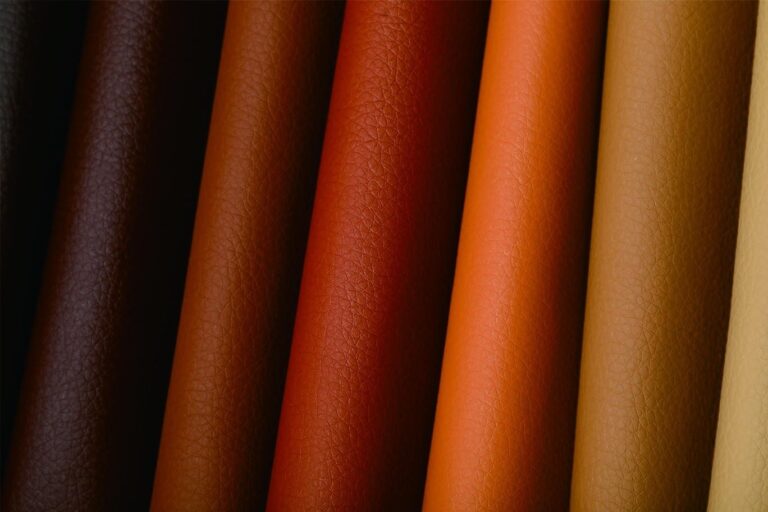
- Design flexibility: 100+ textures from smooth to pebbled to embossed grain. Unlimited Pantone-matched colors with Delta E ≤ 1.0 accuracy. Custom embossing rollers in 7–10 days. The material works across automotive, furniture, fashion, and consumer electronics design languages without compromise.
- Inherent cleanability: Non-porous silicone surface repels liquids without chemical treatments. Bleach-safe and alcohol-disinfectant compatible. No PFAS coatings needed. 10+ cleaning cycles with zero surface degradation — critical for healthcare and hospitality.
- Cross-application compliance: REACH compliant, FDA food-contact certified, ISO 10993 biocompatible, EN 13773 Class 4 flame retardant, FMVSS 302 automotive, FAR 25.853 aviation. One material across every regulatory regime — simplifying multi-market product lines.
- 10+ year service life: 200,000+ Martindale cycles, 5,000+ UV hours, hydrolysis-proof, -40°C to 250°C thermal stability. The cover fabric that outlasts the product it covers.
For a detailed look at leather upholstery options, see our leather upholstery material guide.
B2B Decision Table: Matching Cover Fabrics to Applications
After specifying cover fabrics across automotive, furniture, hospitality, healthcare, and consumer products, here’s the decision matrix I use to match materials to applications — the final step before issuing a purchase order:
| Application | Primary Requirements | Recommended Cover Fabric | Why |
|---|---|---|---|
| Automotive interiors | UV, thermal, flame, VOC | Silicone leather | 250°C stability, 5,000+ UV hrs, FMVSS 302, near-zero VOC |
| Healthcare seating | Cleanability, biocompatibility | Silicone leather | Bleach-safe, ISO 10993, non-porous, antimicrobial |
| Outdoor furniture | UV, water, mold | Silicone leather or solution-dyed acrylic | Silicone for cleanability + UV; acrylic for breathability |
| Contract furniture (indoor) | Abrasion, cost | Polyester woven or PU | 50,000+ Martindale at moderate cost; upgrade to silicone for longevity |
| Marine upholstery | Salt, UV, hydrolysis | Silicone leather | 1,000+ hrs salt spray, hydrolysis-proof, 5,000+ UV |
| Fashion accessories | Tactile, cost, aesthetic | PU or silicone | PU for price; silicone for compliance and longevity |
| Consumer electronics | Thin gauge, tactile, compliant | Silicone leather (0.23mm) | Ultra-thin, REACH + RoHS, premium tactile feel |
The pattern is clear: silicone leather dominates applications requiring multi-dimensional performance — UV, cleanability, compliance, and longevity simultaneously. Traditional cover fabrics remain viable for single-dimensional applications where one property (cost, breathability, or aesthetics) outweighs all others. The specifier’s job is knowing which dimension matters most for each product. For color and design options across cover fabrics, see our sofa leather color guide.

Video Topic Direction: TOPSUN Silicone Leather Commercial Sofa — Showcase of silicone leather cover fabric applied to commercial sofa seating, demonstrating texture, cleanability with bleach wipes, and stain resistance compared to traditional PU and PVC cover fabrics under the same cleaning protocol.
FAQ
What are the best cover fabrics for commercial furniture?
The best cover fabrics for commercial furniture depend on the application. For high-traffic indoor contract furniture, polyester woven fabrics with 50,000+ Martindale cycles provide cost-effective durability. For healthcare, hospitality, and marine applications requiring cleanability, UV resistance, and regulatory compliance, silicone leather is the superior choice — offering 200,000+ Martindale cycles, bleach-safe cleaning, and 10+ year service life without trade-offs.
How do I choose between woven textiles and coated cover fabrics?
Choose woven textiles (polyester, acrylic, olefin) when breathability and UV resistance are the primary requirements — they excel outdoors but require chemical stain treatments that may introduce PFAS compliance risk. Choose coated cover fabrics (silicone, PU, PVC) when cleanability, liquid resistance, and regulatory compliance are primary — they offer non-porous surfaces that repel stains without chemical treatments. Silicone leather combines the best of both categories: the cleanability of a coated fabric with the compliance profile of an eco-friendly material.
Request Cover Fabric Samples
Get free A4 swatches of TOPSUN silicone leather cover fabrics — shipped worldwide via DHL/FedEx. Compare texture, color, and cleanability against your current material.
Email: info@topsunsiliconeleather.com
WhatsApp: +44 744 461 7933