“Como leather” is not a type of leather — it is a furniture product line name. This distinction matters enormously for B2B procurement teams who encounter the term in specifications, RFQs, or supplier catalogs. When a product is labeled “Como leather,” it tells you the product’s marketing name but reveals nothing about the underlying material chemistry, grade, or performance characteristics. In practice, Como leather products typically use top grain Italian leather — but the quality, tanning process, and durability vary significantly between manufacturers. This guide clarifies what Como leather actually is and provides a material evaluation framework for procurement decisions.
Request Leather Comparison Samples
What Is Como Leather? Defining the Product Behind the Name
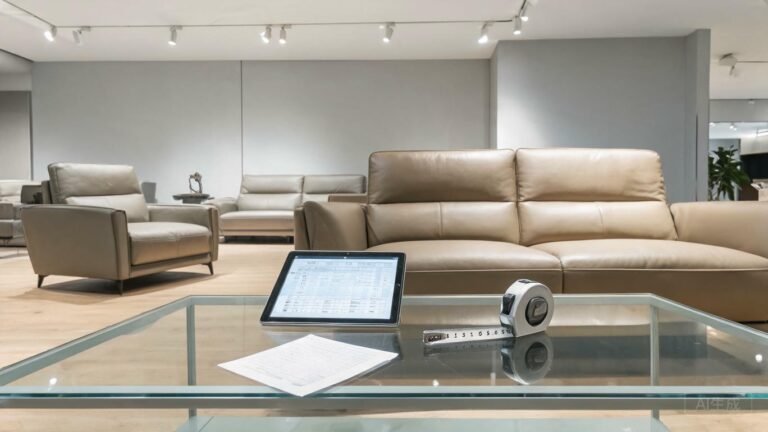
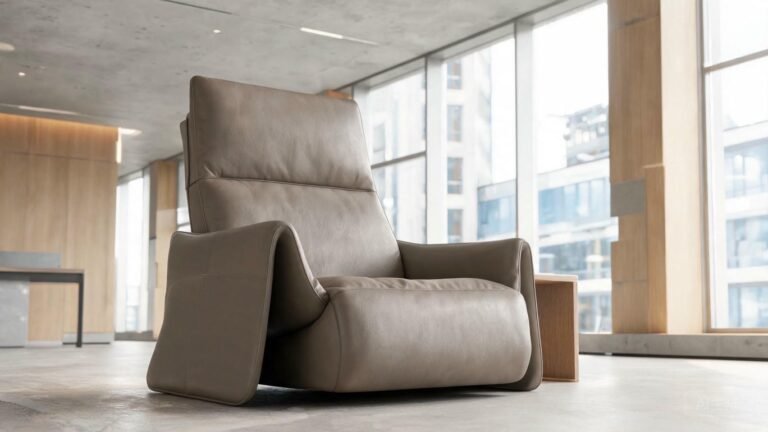
Como leather refers to a line of leather furniture products — sofas, lounge chairs, dining chairs — marketed under the “Como” brand or product name by various furniture manufacturers and retailers. These products are positioned in the premium residential and light commercial furniture segment, typically priced between $2,000 and $3,000 for sofas and $400 to $900 for dining chairs.
The leather used in Como products is generally described as “100% top grain Italian leather.” Top grain leather is the second-highest leather grade (after full grain), where the outermost layer of the hide has been lightly sanded to remove imperfections, then finished with a protective coating. This process produces a uniform surface appearance but removes some of the natural fiber structure that gives full grain leather its durability and patina development. The critical point for B2B buyers: “Como” is a product designation, not a material specification. Two different “Como leather” sofas from different manufacturers can use leather from completely different tanneries, with different tanning processes, different hide origins, and different performance characteristics. For a comprehensive overview of leather types and their properties, see our faux leather guide.

Leather swatch display — Como products may use any of these color and texture variations depending on the manufacturer.
Top Grain Italian Leather: What Como Products Actually Use
Top grain leather, the material most Como products use, occupies a specific position in the leather quality hierarchy. Understanding where it sits relative to full grain and bonded leather is essential for procurement specifications:
| Property | Full Grain | Top Grain (Como) | Genuine/Bonded |
|---|---|---|---|
| Surface Treatment | None | Lightly sanded + coated | Heavy processing |
| Durability | 10–20+ years | 5–10 years | 2–5 years |
| Patina Development | Yes | Limited | No |
| Consistency | Variable | Uniform | Uniform |
| Cost Index | Highest | High | Low |

Top grain leather softness display — the sanded surface produces a uniform appearance at the cost of natural fiber structure.
The Italian tanning process referenced in Como product descriptions typically means one of two things: vegetable tanning (using tannins from tree bark) or chrome tanning (using chromium salts). Vegetable tanning produces a firmer, more natural-feeling leather that develops patina, while chrome tanning produces softer, more pliable leather with better color consistency. Most commercial furniture leather is chrome-tanned for cost and processing efficiency. For B2B specification, the tanning method should be documented in the material data sheet — chrome-tanned leather requires compliance with REACH regulation (specifically chrome VI limits under 3 mg/kg), while vegetable-tanned leather carries different supply chain and consistency considerations.
Como Leather Quality: How to Evaluate for B2B Procurement
When evaluating Como leather products or similar top grain leather furniture for commercial procurement, verify these specification points beyond the marketing label:
- Leather grade confirmation — Request written confirmation of “top grain” vs “full grain” vs “corrected grain.” These terms have specific ISO 15115 definitions with different performance profiles.
- Hide origin and tanning method — Document whether the leather is chrome-tanned or vegetable-tanned, and the country of origin for the raw hides. EU REACH compliance requires traceability for chrome VI content.
- Finish type — Identify whether the surface is aniline, semi-aniline, or pigmented. Aniline finishes show natural grain but offer no stain protection; pigmented finishes are more durable but less natural-looking.
- Thickness specification — Commercial furniture leather should be 1.2–1.5 mm minimum. Thinner leather sacrifices tear resistance for cost savings.
- Frame construction — Verify kiln-dried hardwood frames with corner-blocked joints. The frame determines structural lifespan independently of the leather surface.

Commercial leather sofa — where material specification directly impacts warranty exposure and lifecycle cost.
For premium commercial seating applications, premium cinema seating specifications provide a benchmark for what commercial-grade leather furniture should deliver in terms of abrasion resistance and fire safety compliance.
Como Leather vs Silicone Leather for Commercial Furniture
For commercial furniture applications — hospitality, healthcare, senior living, or high-traffic public spaces — top grain leather (as used in Como products) faces specific limitations that silicone leather resolves:
| Factor | Como Leather (Top Grain) | Silicone Leather |
|---|---|---|
| Martindale Abrasion | 25,000–40,000 cycles | 200,000+ cycles |
| Stain Resistance | Moderate (requires treatment) | Excellent (inherently non-stick) |
| Cleaning | Specialist cleaners only | Soap and water; alcohol disinfectable |
| VOC Emissions | Tanning chemical residuals | Zero VOC |
| Hydrolysis Resistance | Variable | 10+ years |
| Lifespan (Commercial) | 5–8 years | 10–15 years |

Factory production — where material properties are determined before they become marketing claims on finished furniture.
Top grain leather’s natural fiber structure makes it porous — it absorbs liquids, stains, and odors unless treated with chemical protectants. In commercial environments where hygiene and cleanability are mandatory, this porosity becomes a liability. Silicone leather’s non-porous surface can be disinfected with standard hospital-grade cleaners without degrading the material. For a detailed cost and lifespan analysis, see our article on leather vs silicone leather cost comparison.
Common Misconceptions About Leather Furniture Naming

Residential leather sofa — product names like “Como” carry different material implications than the marketing suggests.
The leather furniture industry uses product names (like “Como”) and material terms (like “top grain”) interchangeably in marketing materials — creating persistent confusion for procurement teams. “Italian leather” means the leather was tanned in Italy, not that the hide originated there. Many “Italian leather” products use South American or Asian hides processed in Italian tanneries. “Genuine leather” is actually the lowest legal grade — it can include bonded or reconstituted leather, not the premium material the term implies. “Full grain” and “top grain” are not the same: full grain retains the complete natural surface; top grain has been sanded and refinished. Product names like “Como,” “Bellagio,” or “Milano” are marketing designations with no material standard behind them.
For material specifications in commercial environments, senior living furniture material guides demonstrate how to write procurement specifications that reference material properties rather than marketing names.
Silicone leather for luxury furniture — combining commercial-grade durability with premium aesthetics.
The Bottom Line on Como Leather Specification
Como leather is a product name, not a material grade. The top grain Italian leather it typically uses is a legitimate mid-to-premium material for residential furniture — but in commercial environments, its porosity, maintenance requirements, and 5–8 year commercial lifespan create total cost of ownership issues that silicone leather resolves. For B2B procurement, the lesson is universal: always specify material properties (grade, thickness, tanning method, abrasion resistance), never accept product names as material specifications.
Get Leather Comparison Samples
About TOPSUN
TOPSUN manufactures silicone leather for commercial furniture applications where Como leather’s top grain surface would fail under commercial-use demands. Our silicone leather delivers 200,000+ Martindale cycles, zero VOC emissions, and 10+ year hydrolysis resistance — specifications that top grain Italian leather cannot match in high-traffic environments. We work with furniture manufacturers, hospitality groups, and healthcare facilities to develop custom OEM material specifications that prioritize lifecycle performance over marketing terminology.
ISO 10993 biocompatibility certified | REACH 247 SVHC compliant | FDA food-contact safe | PAHs certified | ISO 15115 compliant