China remains the world’s largest producer of synthetic leather, supplying everything from automotive upholstery to furniture and fashion accessories. If you are sourcing materials in 2026, understanding how china leather manufacturers operate is no longer optional. Quality tiers vary wildly. Pricing structures can hide surprises. And MOQ negotiations often determine whether a partnership works or falls apart before the first shipment.
This guide cuts through the noise. We will walk you through what is actually changing in the china leather market, which quality standards matter, how to read factory quotes, and how to handle MOQ discussions like a professional buyer.

How the China Leather Industry Is Shifting in 2026
The china leather industry is not what it was five years ago. Environmental regulations have tightened across Zhejiang, Jiangsu, and Guangdong provinces, where over 80% of national capacity is concentrated. Factories that failed to upgrade wastewater treatment or VOC emissions systems have closed. The survivors are larger, more automated, and increasingly specialized.
Here is what procurement teams should know:
- Consolidation is real. Mid-sized tanneries and coating plants are merging or being acquired by industrial groups with deeper capital.
- Specialization wins. The best leather manufacturers in china no longer try to make everything. They focus on specific end markets, such as automotive, medical, or marine.
- Certification is the new barrier to entry. OEM buyers now expect REACH, RoHS, and ISO 9001 as baseline requirements, not premium add-ons.
If you are still evaluating suppliers based on price alone, you are already behind. The buyers who thrive in 2026 treat supplier qualification as a continuous process, not a one-time checklist.
Quality Standards Every Buyer Should Verify Before Ordering
Not all “leather” from a china leather factory is created equal. The same supplier might produce Grade A material for a German automotive OEM and Grade C stock for a discount furniture wholesaler. Your job is to make sure you know which line your order is running on.
Before you sign a contract, demand documentation and, ideally, third-party test reports for the following:
| Standard / Test | Why It Matters | Typical Requirement |
|---|---|---|
| REACH / RoHS | Chemical safety for EU markets | Full SVHC disclosure |
| Martindale Abrasion | Durability for upholstery | 50,000–200,000 cycles |
| ISO 9001 | Consistent quality management | Valid certification |
| Flame Retardancy | Automotive / aviation safety | FMVSS 302 or FAR 25.853 |
| VOC Emissions | Interior air quality | < 50 µg/m³ (automotive) |
In our experience working with OEM buyers across automotive and furniture sectors, the factories that hesitate to share test reports are the ones you should walk away from. Transparency is not a bonus. It is a prerequisite.
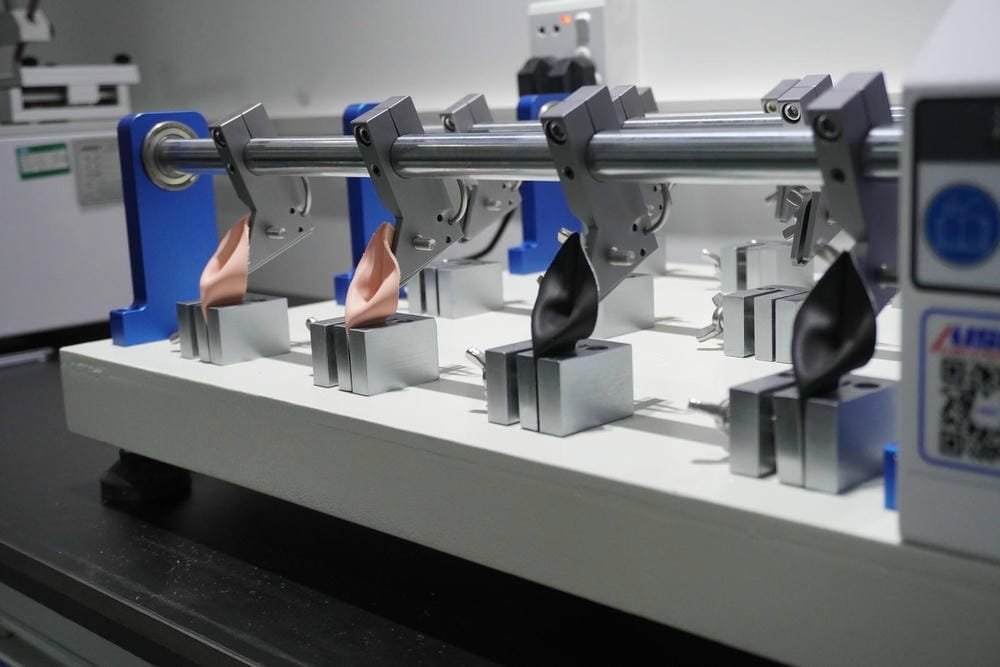
For buyers focused on furniture and sofa upholstery, abrasion resistance and color fastness usually top the list. For automotive interiors, flame retardancy and low VOC emissions are non-negotiable. Match your test requirements to the end application, not the supplier’s default spec sheet.
Pricing Tiers: What China Leather Factory Quotes Actually Include
When you request a quote from a china leather factory, the unit price is only part of the story. Here is what experienced sourcing managers look for in the fine print.
1. Raw material tier
PU resin prices fluctuate with crude oil. PVC is cheaper but less durable. Silicone-coated fabrics sit at the premium end but offer longer service life and lower warranty claims. Ask which base polymer the quote is based on, and whether the price is locked for the full PO term.
2. Surface finishing complexity
Embossing, digital printing, and special hand-feel treatments add cost. A standard grain pattern might add $0.30–$0.50 per meter. Custom textures developed from your physical sample can run higher, especially if the factory needs to create new rollers or screens.
3. Backing substrate
Knitted backings cost more than woven ones. Microfiber suede backings, popular in high-end furniture, push the price up further but deliver superior tear strength and hand feel.
4. Volume band
Most quotes are tiered: 1,000 meters, 5,000 meters, 20,000 meters. The jump from one band to the next can be 8–15%. If your forecast supports it, consolidate SKUs to hit the next band.
A final note on payment terms. Thirty percent deposit, seventy percent before shipment is still standard, but established buyers with annual contracts increasingly negotiate net-30 or letter-of-credit arrangements. Your leverage depends on volume and relationship history.
MOQ Structures and How to Negotiate With Suppliers
Minimum order quantity is where many procurement negotiations stall. Leather manufacturers in china set MOQs based on production batch economics, not stubbornness. Understanding their logic makes you a better negotiator.
Typical MOQ drivers:
- Coating line width. A standard line runs 1.4–2.0 meters wide. The factory needs enough meters to cover setup waste and achieve efficient line speed.
- Color matching. Each custom color requires a dedicated pigment mix. Small batches mean leftover pigment and higher per-meter cost.
- Backing inventory. If you request a non-standard woven or knitted backing, the supplier may need to source a full roll from their textile partner.
Practical ways to lower MOQ without damaging the relationship:
- Consolidate multiple colors into one order, accepting longer lead times.
- Use the supplier’s stock backing instead of a custom substrate.
- Accept a slightly wider tolerance on thickness or color consistency.
- Commit to a rolling forecast rather than a single PO.
In our 12+ years of manufacturing silicone leather for global OEMs, we have seen buyers reduce effective MOQ by 40–60% simply by switching to a standard backing and accepting a 4-week lead time instead of 2 weeks. Flexibility on your side often unlocks flexibility on theirs.
Red Flags When Vetting China Leather Manufacturers
Even in 2026, not every supplier claiming to be a manufacturer actually owns production equipment. Trading companies rent office space, build slick websites, and quote competitively. Your job is to tell the difference before you transfer a deposit.
Watch for these warning signs:
- Vague answers about capacity. A real factory knows its daily output per line. “We can handle anything” usually means they outsource.
- No video call allowed. Any legitimate china leather factory will walk you through their plant on a video tour. Refusal is a dealbreaker.
- Missing or expired certifications. Ask for the certificate number and verify it with the issuing body. We have seen photocopied ISO certificates dated three years past expiration.
- Unrealistic lead times. Two-week delivery on a fully custom color and embossing is either a lie or a sign they are cutting quality control corners.
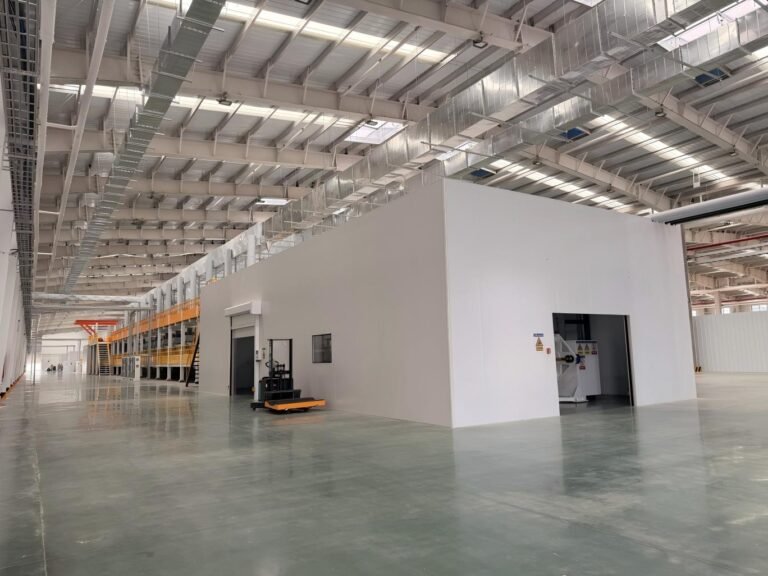
One practical step: request a factory audit before the first order. It does not need to be a full-day event. A focused 90-minute review of the coating line, QC station, and warehousing area will tell you most of what you need to know. See how a transparent production facility operates to calibrate your expectations.

Why Forward-Thinking Buyers Are Exploring Silicone Leather
Traditional PU and PVC synthetics still dominate volume, but a growing segment of china leather manufacturers is investing in silicone-coated technology. The reason is simple: buyers are asking for it.
Silicone leather offers distinct advantages for B2B applications. It is inherently UV-stable, making it ideal for marine and outdoor furniture. It passes stringent flame-retardant tests such as FAR 25.853 and EN 13773 Class 4 without heavy chemical additives. It is hydrolysis-resistant, which matters in humid climates where PU can degrade within two to three years. And for brands marketing sustainability, silicone leather contains no plasticizers, no phthalates, and no DMF.
The trade-off has historically been price. That gap is narrowing. As production scales and coating technology matures, premium silicone leather is now priced within 15–25% of high-grade PU. For applications where durability and certification matter, that premium pays for itself in reduced warranty claims and longer product life.
At TOPSUN, we produce over 2,000 tons annually across eight production lines in a 20,000-square-meter facility. Our silicone leather ranges from 0.23 mm ultra-thin grades for 3C electronics to 2.0 mm heavy-duty collections for aviation and healthcare. If you are evaluating material options for a new product line, browse our full product range to see how silicone leather compares to conventional synthetics for your specific application.
Frequently Asked Questions
What is the typical MOQ for China leather manufacturers?
For standard stock colors and textures, MOQs typically start at 500–1,000 meters. Custom colors or embossing patterns usually require 1,000–3,000 meters per SKU. Specialist materials such as silicone leather or microfiber may have higher initial MOQs but offer better durability and certification coverage.
How long does production take from order to shipment?
Stock items can ship within 7–14 days. Custom orders, including color matching and new texture development, typically require 3–5 weeks after sample approval. Always build in time for pre-production sample verification, especially for first-time partnerships.
Which certifications should I absolutely require?
At minimum, insist on REACH, RoHS, and ISO 9001. For automotive applications, add FMVSS 302 or FAR 25.853. For medical or baby products, request ISO 10993 and FDA compliance. Verify certificate validity directly with the issuing organization rather than accepting PDFs at face value.
Is silicone leather more expensive than PU leather?
Premium silicone leather typically costs 15–25% more than high-grade PU. However, the total cost of ownership is often lower due to superior UV resistance, hydrolysis stability, and longer service life. For applications requiring flame retardancy or medical-grade safety, silicone leather is increasingly the only viable option.
Ready to Source Smarter From China?
Sourcing from china leather manufacturers in 2026 is about more than finding the lowest price. It is about matching the right factory to your quality requirements, understanding what drives their pricing, and negotiating MOQs that work for both sides. The buyers who invest time in supplier qualification and material selection upfront save money, time, and reputation down the line.
If you are evaluating materials for furniture, automotive, marine, or medical applications, our engineering team can help you compare options and select the right specification. Read our upholstery manufacturer selection guide for a deeper dive into factory evaluation, or reach out directly to discuss your project.
About TOPSUN
TOPSUN is a leading silicone leather manufacturer with 12+ years of B2B custom production experience. Our 20,000-square-meter facility operates 8 production lines with an annual output exceeding 2,000 tons, serving automotive, furniture, medical, marine, and electronics brands worldwide.
Certifications: FDA, REACH, PAHs, ISO 10993, RoHS, EN 71, EN 13773 Class 4, FAR 25.853, ISO 9001.
External Resources:
ISO Standards – International standards for quality management and product safety.
Leather International – Industry news and analysis on global leather supply chains.