There is no such thing as the best synthetic leather, and I say that as someone who buys it for a living. Nine years managing materials for a furniture brand taught me one lesson early. “Best” is not a property of the material. It is a match between five measurable axes and one specific job. Buyers who ask “which brand is best” get marketing. Buyers who ask “what does my application stress” get answers.
This guide makes that concrete. It opens with a case file from a hotel lobby that went wrong, then builds the scorecard I now use for every seating program.
The Lobby Chair That Failed at Month Ten
Our worst materials decision was also our cheapest. A hotel client wanted lobby seating on a tight budget, so we approved a budget PU grade at a very good price. The chairs looked flawless on delivery day. By month ten, the seats facing the entrance showed peeling corners and a dull gray film. The spec sheet had told the truth, but nobody had read it against the environment.
Two forces killed that grade. Housekeeping ran a high-alkaline cleaner every night, and research on hospitality cleaning shows agents above pH 9 can cut PU surface integrity by around 22% within six months of daily use. Meanwhile, the thin coating allowed moisture from hundreds of guests a day to reach the polymer faster. The failure was not bad luck. It was a mismatch between the material and the job.
Month ten taught me to budget for chemistry, not just fabric. A cheaper grade that survives half as long costs more per service year. It also costs the client’s trust, which has no unit price at all.

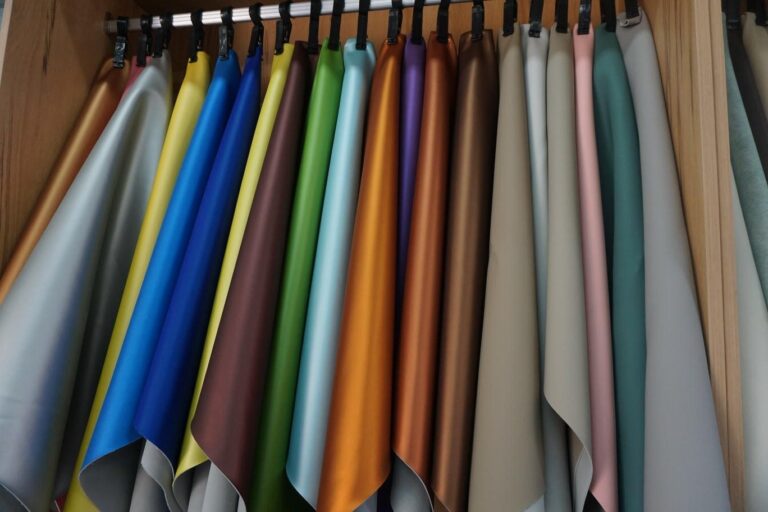
A swatch wall ranks color, not performance. The scorecard has to do the rest.
Five Axes That Decide the Best Synthetic Leather for a Job
After that project, I stopped comparing brands and started comparing axes. The table below is the checklist I now attach to every RFQ:
| Axis | What to demand | Best-in-class benchmark |
|---|---|---|
| Abrasion | Martindale or Wyzenbeek report | 200,000+ cycles for contract seating |
| Hydrolysis resistance | Accelerated aging data | No cracking after 14 weeks at 85°C/85% RH |
| Chemical / cleanability | List of tested disinfectants | Survives pH 9 cleaners and alcohol gels |
| Fire compliance | Cert for target market | Matches the project’s fire code, not just CA 117 |
| Coating integrity | Adhesion and flex test data | Documented per ISO 2411 and ISO 7854 |
Commercial specifiers reach the same conclusion from the other direction. Their guides rank silicone faux leather first for abrasion, with 200,000+ Wyzenbeek double rubs, while commercial PU typically lands between 50,000 and 200,000. The gap is real, and it shows up in year three, not month one.

Hospitality is the hardest arena: guests, cleaners, and fire codes all vote at once.
Weighting the Axes by Application
The same five axes carry different weights in different programs. For contract furniture, hydrolysis and cleanability outweigh everything, because cleaning chemicals do the daily damage. For handbags, abrasion at fold points and color fastness lead the list. For marine seating, UV and waterproofing dominate, and a soft hand matters more than spec sheets admit. For children’s products, certifications move to the top of the sheet.
This is why a single “best brand” answer always feels wrong somewhere. A grade that scores brilliantly for an office chair can fail a beach club in one season. Write your weights down before you contact suppliers, and the shortlist builds itself.
Here is a quick example from my own line card. Beach club loungers get a UV weight of five and hand feel four. Airport seating gets abrasion five and chemical five. The same supplier can win one job and lose the other. That is exactly how it should work.
Hotel applications: the environment where all five axes get tested daily.
Scoring Our Own Line Honestly
I apply the scorecard to my own suppliers too. TOPSUN’s silicone line passes the abrasion axis with 200,000+ Martindale cycles, and the hydrolysis axis with 14-week aging data at 85°C and 85% relative humidity. The chemical axis holds because silicone is inert by chemistry, not by additive. You can read how the layers are built on the silicone leather introduction page, and the hydrolysis resistance guide shows the aging protocol in full.
The honest weakness is hand feel and cost. Silicone carries a higher price per meter than standard PU, and some designers still prefer the softer drape of premium microfiber PU. Where budgets are tight and service life expectations are modest, a good PU grade remains a rational choice. Best does not mean most advanced. It means most matched.

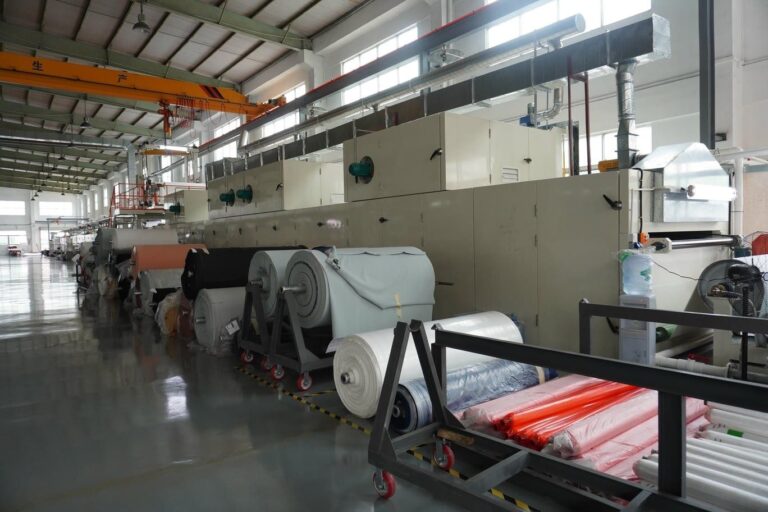
Finished rolls waiting for the axis they were matched to.
So Which Is the Best Synthetic Leather?
The best synthetic leather is the one whose five axes line up with your application’s five stresses. Run the scorecard before you run the price comparison. Demand reports, not adjectives. Weight the axes for your own market, then shortlist two or three grades that clear the bar. That process takes one extra week. It has saved me from every month-ten failure since. The checklist is short on purpose. Long checklists get skipped, and short ones get used every time.
References
- https://www.goodrichglobal.com/singapore/articl… — specifier criteria for commercial upholstery: abrasion, cleaning chemicals, fire code, IAQ, service life; silicone faux leather 200,000+ Wyzenbeek double rubs vs commercial PU 50,000-200,000
- https://neveitaliafurniture.com/pu-leather-sofa… — hydrolysis chain reaction behind PU peeling; pH 9+ cleaners reduce PU surface integrity ~22% within 6 months of daily use; coating thickness 0.4mm vs 0.8mm commercial grade; ASTM D6869 hydrolysis test