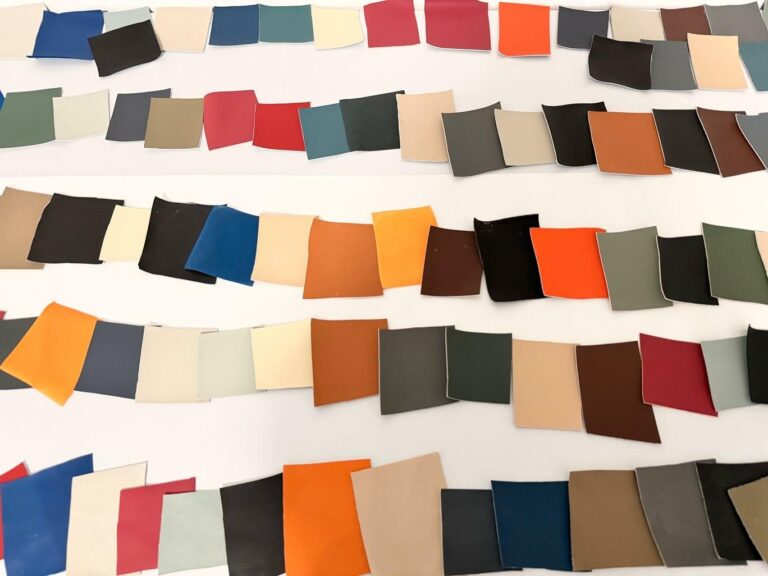
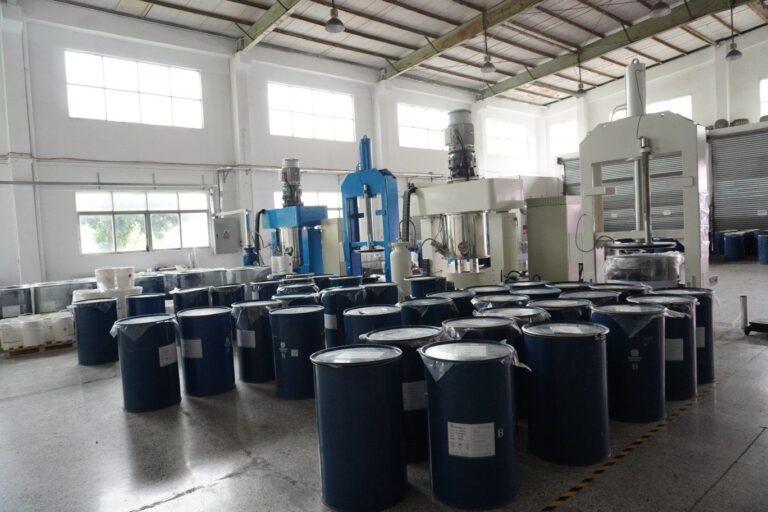
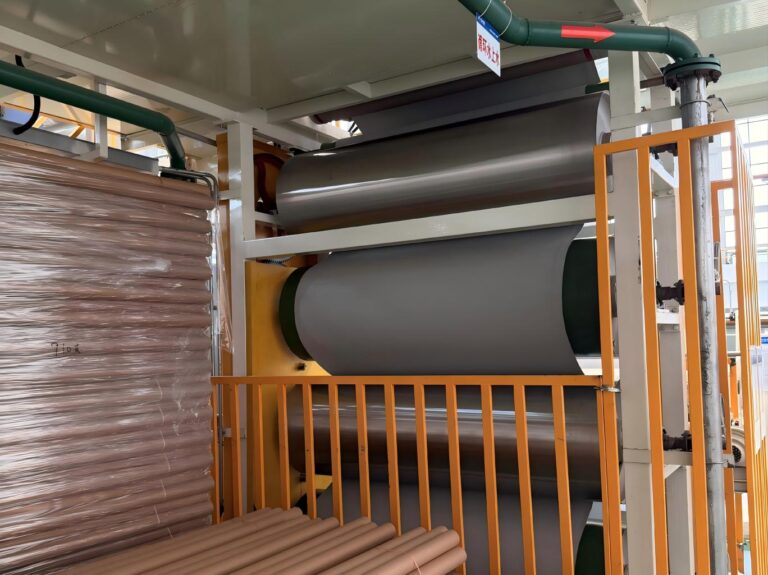
Picture a design review six months from delivery. The sofa program needs a hand that feels like aniline hide. The yacht refit needs salt, sun, and scrub-down resistance. The car seat needs all of it plus flame certification. One question comes up in every meeting: which is the best artificial leather? The honest answer is application-specific, but a 10-year view makes the shortlist surprisingly clear.
Best Artificial Leather Depends on the Brief
Each polymer family starts with a different promise. PVC wins on price and chemical resistance. PU wins on softness and a leather-like hand. Bio-based blends win on renewable content and marketing story. Silicone wins on lifespan and clean chemistry. Market data reflects the defaults: PU held 57.0% of the synthetic leather segment in 2025 within a market growing 12.5% annually toward $115.4 billion by 2033, while automotive applications are expanding fastest at a 13.2% CAGR.
Each promise holds in the right room. A fast-fashion tote line values PU’s soft hand at a price PVC cannot match at equal softness. A warehouse racking cover values PVC’s indifference to cost. The mistake is not picking the wrong polymer. It is copying another program’s pick without checking your own duty cycle.
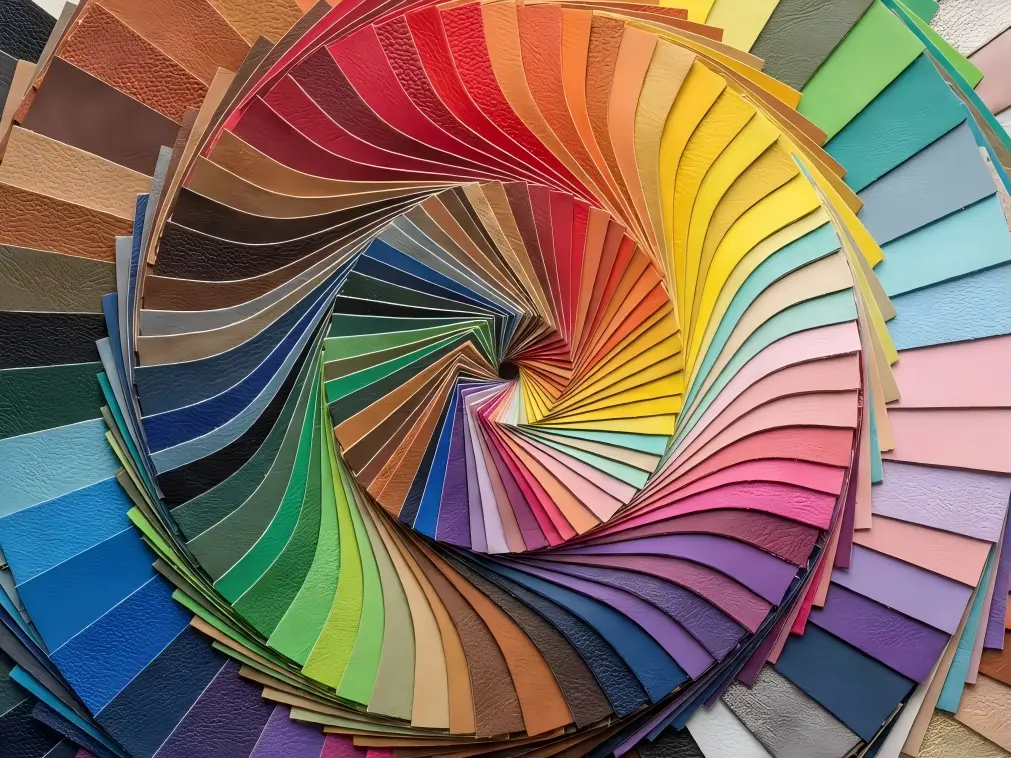
Color range now spans every family; the differences live underneath the surface.
Best Artificial Leather: The 10-Year Scorecard
| Criterion | PVC | PU | Silicone |
|---|---|---|---|
| Service life | 5-8 years | 3-5 years | 10-15 years |
| Martindale cycles | High | 50K-100K | 200K+ |
| Plasticizers | Required | Some | None |
| VOC profile | Moderate | Solvent traces | Non-detect |
| Cold/heat behavior | Stiffens | Cracks | Flexible to -40°C |
| Best brief | Cost-led | Feel-led | Lifecycle-led |
The scorecard explains a quiet shift we see in specification meetings. Designers start with touch and color. Procurement starts with price. Then facilities math enters: reupholstering a hotel lobby twice in a decade costs more than specifying a longer-lived face once.

Premium textures like this litchi grain are available across all three polymer families.
Where Silicone Artificial Leather Pulls Ahead
Three briefs consistently favor silicone leather’s chemistry. Marine and outdoor projects exploit its UV stability and salt-spray endurance past 1,000 hours. Healthcare and hospitality exploit alcohol-safe cleaning with zero plasticizer migration. Automotive interiors exploit cold flexibility to -40°C and flame certifications. Sports equipment rounds out the list: gym benches take sweat, alcohol spray, and constant skin contact, and a non-porous silicone surface shrugs off all three. In our sampling program, the moment a client brief mentions “ten years,” the material conversation changes.
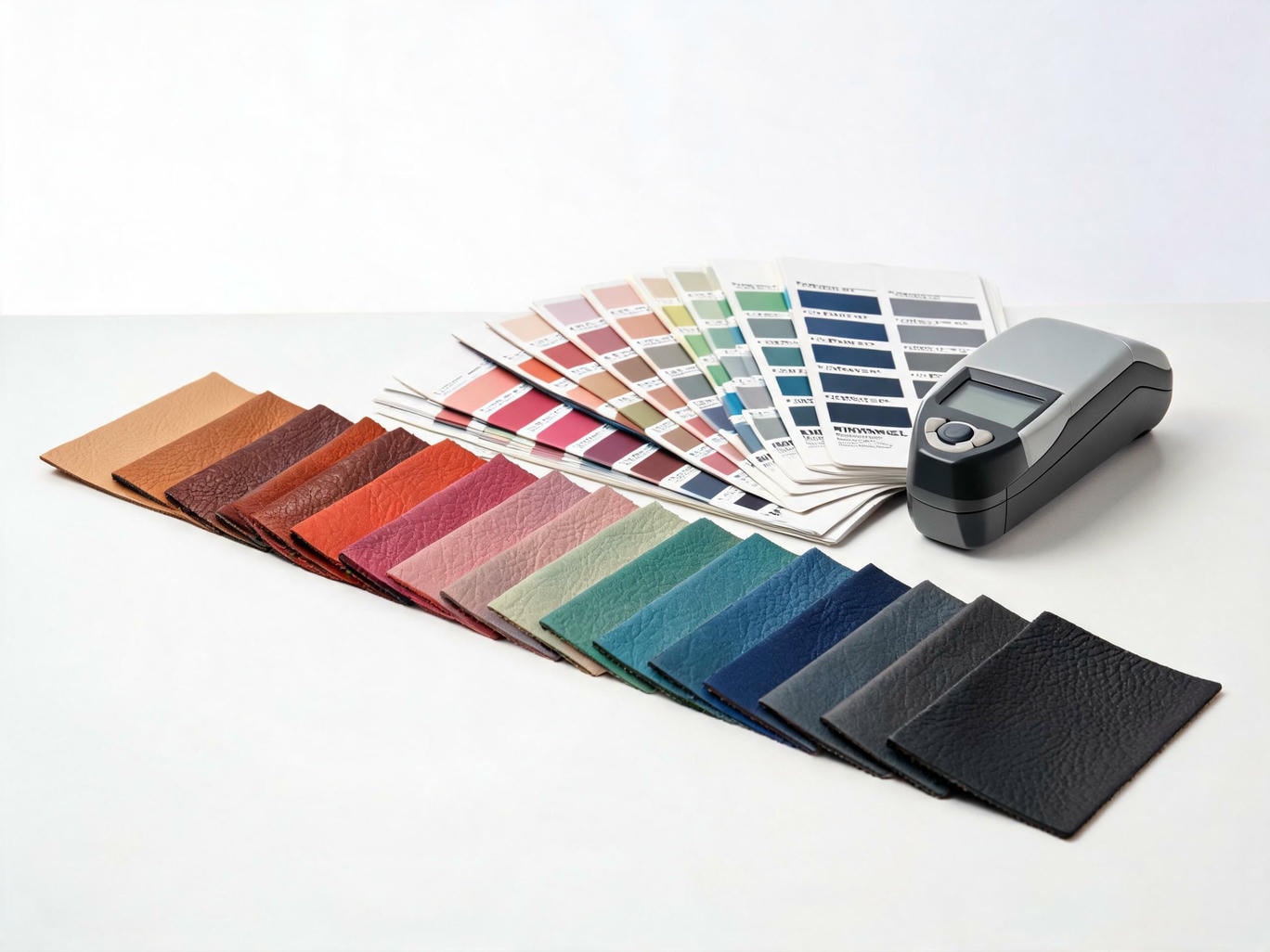
Pantone and RAL matching now applies to every polymer family in the range.
The Short Answer for 2026
Run the duty cycle first, then let the polymer choose itself. Humidity, cleaning chemicals, sunlight, and replacement cycles decide more than any datasheet row. That exercise takes an hour and prevents the most common regret we hear from buyers.
For feel-led fashion briefs, PU remains the best artificial leather. For cost-led programs, PVC still earns its 35% share. For anything that must survive a decade of sun, salt, or hospital disinfectant, silicone artificial leather is the defensible pick, and swatches are free.

Softness on display: the fold test still separates premium sheets from average ones.
Over 100 textures and custom Pantone colors, across every collection thickness.