Belt leather material is one of those categories where the gap between marketing and reality is especially wide. A belt labeled “genuine leather” might cost $12 and last six months, or it might cost $120 and last 20 years. For brands and manufacturers sourcing belt material at scale, understanding that difference is the difference between a profitable product line and a warranty nightmare.
Belts are a uniquely demanding application. The material flexes thousands of times a year, handles sweat and body oils, gets pulled tight through buckles and loops, and is expected to look good while doing it. Not every leather grade — and not every synthetic alternative — can hold up under those conditions. This guide covers the six major belt material types, what thickness and specs to specify, and how the newest synthetic options stack up against traditional leather.
6 Types of Belt Leather Material (Ranked by Quality)
From full-grain cowhide to silicone synthetic, belt materials span a wide range of quality and price points. Here’s how the six main categories compare for belt applications:
| Material Type | Avg. Daily-Use Lifespan | Edge Durability | Cost (per strap) |
|---|---|---|---|
| 1. Full-Grain Cowhide | 15-20+ years | Excellent (dense fibers) | $25-$80+ |
| 2. Full-Grain Calfskin | 10-15 years | Very good (finer grain) | $30-$100+ |
| 3. Top-Grain Leather | 5-10 years | Good (coated edge) | $12-$35 |
| 4. Silicone Leather | 8-12+ years | Excellent (clean cut) | $10-$25 |
| 5. Genuine (Split) Leather | 2-5 years | Poor (fraying, PU coating chips) | $4-$12 |
| 6. PU Synthetic Leather | 1-3 years | Fair (cracks at fold lines) | $2-$8 |

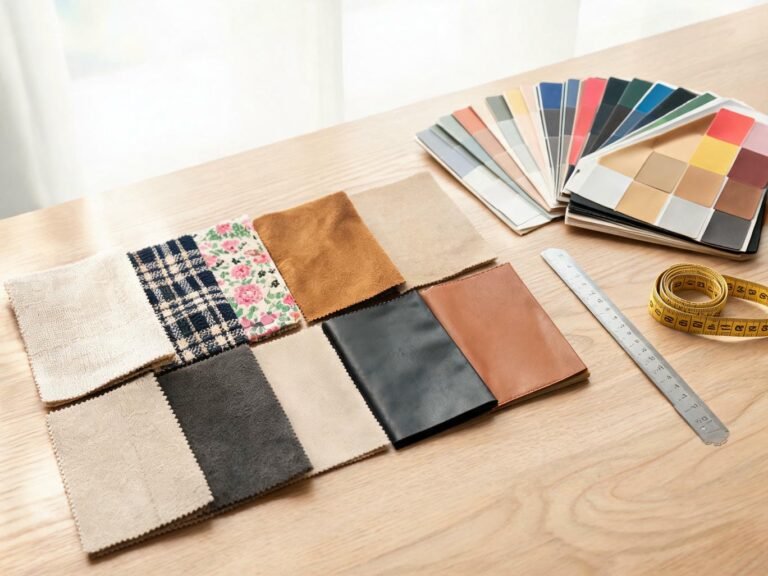
Belt material quality shows most clearly at edges and fold points after months of daily wear
Full-grain cowhide is the gold standard for leather belts — especially work belts and casual styles where durability is the priority. Its dense fiber structure resists stretching and tearing, and it develops a rich patina over time that many wearers value. For dress belts, full-grain calfskin offers a finer, more refined grain with a smoother profile. Both are significantly more expensive than lower grades, but they also last 3-10x longer.
Key insight for brands: A full-grain leather belt costs roughly 3x more than a “genuine leather” belt at the material level, but it lasts 5-8x longer. For brands targeting the premium market, the value proposition is clear — and the return rate is dramatically lower.
Belt Material Specs: Thickness, Width, and Construction
The grade of belt leather material is only half the story. How the strap is constructed — its thickness, edge treatment, and layer structure — determines just as much about the end product’s quality and feel.
Thickness by Belt Type
Belt thickness is measured in millimeters (mm) or ounces (oz), where 1 oz ≈ 0.4mm. The right thickness depends entirely on the belt’s intended use:
| Belt Type | Recommended Thickness | Typical Width | Key Consideration |
|---|---|---|---|
| Dress Belt | 2.5-3.0 mm | 30-35 mm | Thinner sits flatter under tailored clothing |
| Casual Belt | 3.5-4.0 mm | 38-40 mm | Balances comfort and durability for jeans |
| Work / Utility Belt | 4.5-5.0 mm | 40-45 mm | Thick enough to resist stretching under load |
| Women’s Fashion Belt | 2.0-3.0 mm | 20-35 mm | Lighter construction, more decorative hardware |

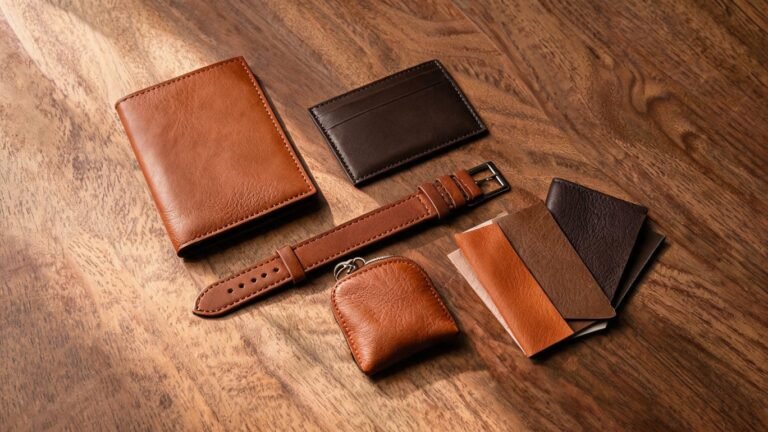
Grain texture affects both the appearance and how the material flexes at fold points
Edge Treatment: The Hidden Quality Marker
Edge treatment is one of the fastest ways to assess belt quality, and it’s something many buyers overlook. The edge is where belt material fails first — fraying, chipping, peeling, and discoloration all start at the cut edge because that’s where internal fibers are exposed.
- Burnished edges — Best quality. The leather edge is polished and compressed with heat and wax, creating a smooth, sealed surface that resists moisture and fraying. Common on full-grain leather belts.
- Painted edges — Medium quality. A colored coating is applied to the cut edge. It looks clean initially but chips and wears off with use, especially at the buckle fold point.
- Raw / unfinished edges — Lowest quality. The cut edge is left exposed. Fibers fray quickly, and the material absorbs sweat and moisture, accelerating degradation.
Why Silicone Leather Is Emerging as a Premium Belt Material
Silicone leather is a relative newcomer to the belt material market, but it’s gaining traction fast — especially in the fashion and accessories space. Here’s why brands are adding silicone leather belts to their product lines:
- Consistent clean edges. Unlike split leather that frays or top-grain that needs burnishing, silicone leather cuts cleanly and the edge stays sharp. No chipping, no peeling, no fraying — even after thousands of flex cycles.
- Sweat and stain resistant. The non-porous silicone surface doesn’t absorb body oils, sweat, or stains. This is a major advantage for belts worn against the skin, especially in warm climates or during active use.
- UV stable and color-fast. Silicone leather doesn’t fade in sunlight, so belt colors stay consistent even with daily outdoor wear. Natural leather darkens and patinas — which some people love, but brands targeting uniform product aesthetics prefer the consistency.
- Cruelty-free and vegan. For brands targeting the fast-growing vegan and sustainable fashion market, silicone leather provides a high-quality alternative that doesn’t rely on animal agriculture.
- Customization flexibility. Silicone leather can be produced in any Pantone color, with custom grain patterns, and in precise thicknesses — giving designers more creative control than natural leather, where hide variations limit consistency.

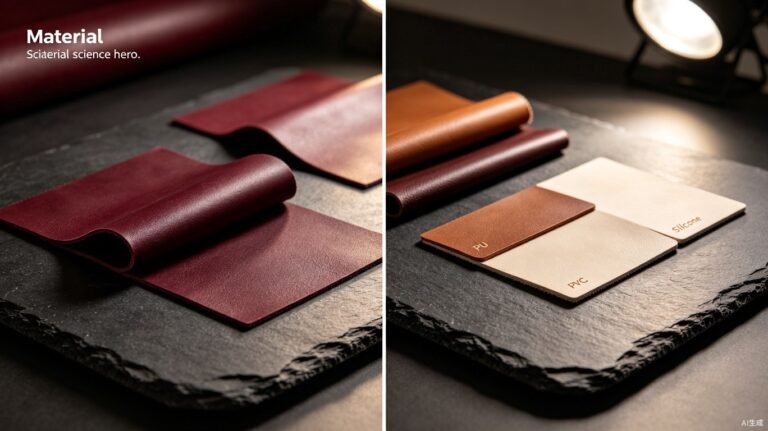
Silicone leather belts offer consistent grain texture and clean, non-fraying edges
That said, silicone leather isn’t right for every belt brand. It doesn’t develop a patina — a feature that many premium leather belt buyers specifically seek out. And it has a different feel — slightly smoother, less “organic” — that some leather purists prefer to avoid. But for brands targeting the contemporary fashion, active lifestyle, or vegan markets, silicone leather belt material offers a compelling combination of performance, aesthetics, and ethical positioning.
See how silicone leather is used in fashion accessories and belt applications
Sourcing Belt Material: What to Spec and What to Test
When sourcing belt leather material at scale, vague specifications lead to inconsistent quality. Here’s what experienced belt brand owners require from their material suppliers:
| Specification | What to Require | Why It’s Critical for Belts |
|---|---|---|
| Leather Grade | Specify exact grade: full-grain, top-grain, split, etc. | “Genuine leather” alone means the lowest grade of real leather |
| Thickness Tolerance | ±0.2mm across the entire production run | Inconsistent thickness causes buckle fit issues and uneven feel |
| Tensile Strength | Minimum 15 MPa for dress, 20 MPa for work belts | Belts are under constant tension — weak material stretches permanently |
| Flex Resistance | 50,000+ flex cycles without cracking | Buckle fold point fails first — flex testing predicts real-world life |
| Color Fastness | Grade 4+ rub fastness, Grade 4+ perspiration | Dye transfer onto clothing is a top customer complaint |
| Backing / Lining | Specify lining material and adhesion method | Many belt failures are lining delamination, not surface wear |
In our experience working with belt and accessory brands, the most commonly underspecified parameter is flex resistance. A material can look great as a flat sample and pass tensile and abrasion tests, but if the surface coating can’t handle repeated bending at the buckle fold, it will crack and peel within months. Always ask for flex cycle test data — and ideally for samples that have been through accelerated flex testing so you can see what the failure mode looks like.
Explore Fashion & Accessories Materials
Choosing the Right Material for Your Belt Line
The best belt leather material depends on who your customer is and what you’re promising them. If your brand is built on heritage craftsmanship and lifetime durability, full-grain cowhide is the standard — and worth the premium. If you’re targeting the contemporary fashion market with an emphasis on sustainability and consistency, silicone leather deserves a place in your lineup. And if you’re competing on price in the mass market, you’ll likely be working with split leather or PU, where quality control and edge finishing make the difference between a decent product and a returns problem.
Whatever material you choose, the key is to specify precisely and test rigorously. Belt material takes more abuse than almost any other fashion accessory — and the quality of your material directly determines the quality of your product.
Get Custom Belt Material Quotation
About TOPSUN
TOPSUN manufactures premium silicone leather material for fashion accessories including belts, watch straps, handbags, and footwear components. Our materials combine the aesthetic quality of top-grain leather with superior stain resistance, color consistency, and edge durability for belt applications.
Custom grain patterns, any Pantone color match, thickness options from 0.6-2.0mm, and REACH/PAHs certified. OEM/ODM support for fashion brands and belt manufacturers worldwide.