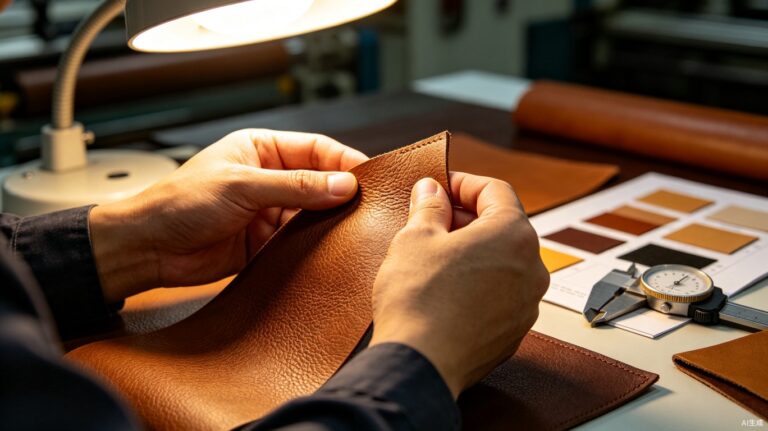
The same roll sits on our showroom table all morning, and four trades test its fabrics in four ways. A furniture buyer lifts its corner and asks about family rooms. A car interior engineer presses a thumbnail into the grain. A marine outfitter rubs it against salt-stained fingers. A clinic planner checks whether disinfectant will dull the surface.
Four people handled its fabrics, and each left with a different requirement sheet. The material never changed; the product did. A sofa family asks about crayons and claws. A fleet manager asks about decade-long service. The answers to all four live in this guide.
One Roll, Four Buyers, Four Different Lives
Every application rewrites the same material. The furniture buyer needs a surface that shrugs off claws, crayons, and snack time. The automotive engineer needs thickness that holds shape over curves and foam. The marine outfitter needs UV stability against a season of open sun. The clinic planner needs chemistry that survives daily disinfectant.
This article follows one silicone-coated construction through those four settings. It borrows lifespan data from automotive sourcing guides and material comparisons. The pattern holds across suppliers. The fabric does not decide its own life; the product does.

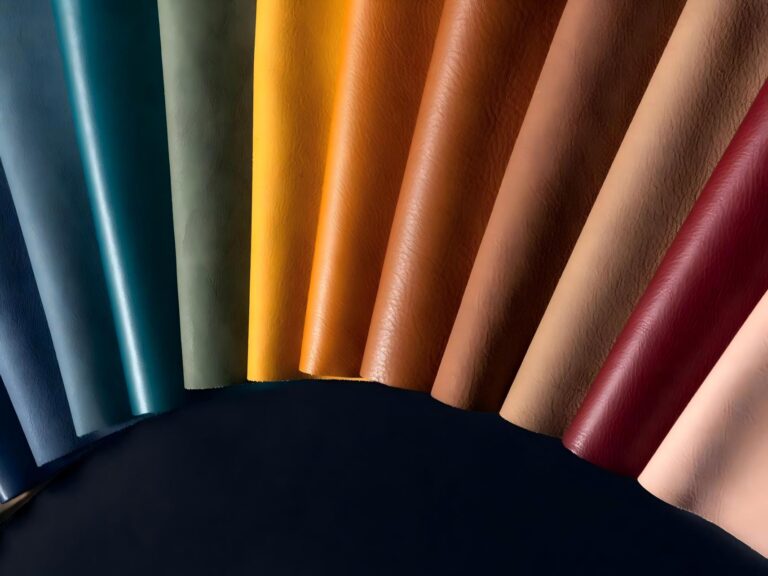
One construction, many destinations: each roll leaves the floor for a different product and a different service life.
What Its Fabrics Must Survive on a Sofa
In a living room, its fabrics face the gentlest test on this list and the most variable one. Midwest Fabrics puts it plainly. Claws, crayons, and snack time favor wipeable vinyl. Cared leather ages into a patina over decades. PU sits between them as the balanced choice for apartments and quick refreshes.
The household variable is maintenance style, not traffic alone. Leather wants occasional conditioning. Vinyl wants mild soap and a soft brush on the grain. Our silicone leather for sofas carries that wipeable chemistry into rooms where spills land daily.
Choose the surface that matches the household, and the same construction serves a decade or more. Choose against it, and reupholstery arrives before the warranty ends.
The Car Seat and the Yacht Deck: Harder Masters
A cabin rewrites the rules again. Seats bake behind glass, coffee lands hot, seatbelt buckles scratch, and passengers slide in and out all day. Sourcing guides describe this routine as brutal, one that furniture never sees.
Thickness becomes the first spec to move. Commercial-grade vinyl runs about 29 ounces per linear yard and takes years of daily abuse. A thin 0.8 to 1.0 mm sheet belongs on headliners and door cards, not on a driver’s bolster. Thicker material also stretches less, so it holds shape over curves without sagging.
Lifespan data confirms the gap. Vinyl seating lasts 10 to 15 years with regular cleaning. Cloth holds 5 to 8 years when protected from sun. Mesh passes a decade when rinsed after exposure. Each number belongs to one product and one climate.
Open water is harder still. Marine-grade builds differ from indoor vinyl in UV, salt, and mildew resistance. Material comparisons name silicone-coated fabrics among the better performers for open sun and splash zones, alongside marine vinyl.

Cabin duty: glass-filtered sun, buckle scratches, and constant friction set a spec no showroom chair will match.
Scratch and water tests preview how a surface behaves once it leaves the catalog and enters a working product.
Match the Fabric to Your Product
What Travels With the Roll, What Changes by Product
Some properties travel with the roll. Chemistry is one. A solvent-free, PVC-free build carries the same low-VOC profile into every product it enters, which is why our eco-friendly silicone leather suits sofas and clinics alike. Hand feel is another; the softness a buyer liked on the table survives into the finished chair.
Other properties change with the product. Test programs shift from abrasion rubs to cabin burn rates. Thickness windows move from sofa drape to bolster rigidity. Cleaning chemistry moves from soap to clinical disinfectant. Lifespan expectations follow the environment, not the catalog page.

The same litchi grain, one of the properties that travels: texture holds from the sample card to every product it enters.
When one base must serve several programs, our silicone microfiber leather carries the construction across applications with a dense nonwoven core. The surface stays constant while each product takes the spec it needs.
Frequently Asked Questions
Does one fabric really age differently in different products?
Yes. Environment drives aging more than the material name does. Vinyl seating lasts 10 to 15 years on a cleaned truck seat, while cloth fades within 5 to 8 years when sun reaches it. Sunlight, humidity, cleaning chemistry, and daily friction set the pace.
Which spec changes first when a fabric moves to a harder application?
Thickness and the UV package. A 29-ounce commercial build takes seat duty; a 0.8 mm sheet stays on headliners. Marine and outdoor programs add UV inhibitors and mildew resistance before anything ships.
The point bears repeating: the product rewrites the spec. Its fabrics belong to the application first and the catalog second. Match thickness, chemistry, and cleaning to the setting, and one construction can serve four very different lives.
Request Application-Matched Samples
References
1. https://www.outdoortextiles.com/pages/your-comp… — Automotive upholstery lifespans run 10-15 years for vinyl with regular cleaning, 5-8 for cloth protected from sun, 6-10 for faux suede, and 10+ for rinsed mesh, each with its own care routine.
2. https://gocarlife.com/best-upholstery-fabric-fo… — Commercial-grade vinyl at about 29 oz per linear yard takes years of daily cabin abuse, while thin 0.8-1.0 mm sheets suit low-traffic headliners and door cards.
3. https://midwestfabrics.com/blogs/recent-posts-o… — Leather can last decades and ages into patina, vinyl looks consistent until the top layer wears, and marine vinyl or silicone-coated fabrics perform better in open sun and splash zones.(2025)