A bedroom bench is one of the most versatile pieces in the room. It sits at the foot of the bed, offering a place to tie shoes, lay out clothes, or simply add a layer of visual softness to the space. But because it sees daily contact — shoes, bare legs, bags, and bedding — the bedroom bench upholstery you choose matters more than most buyers expect.
This guide examines what makes bench upholstery successful, from storage benches that need extra durability to decorative ottomans where texture and color take priority.
Bedroom Bench Upholstery: The Hidden Wear Point
Most bedroom furniture conversations center on the bed, the headboard, or the wardrobe. The bench is an afterthought — until it starts showing wear. The reality is that bedroom benches endure a unique combination of abrasion types. Shoes scrape against the front edge when people sit to tie laces. Bags and laundry baskets rub against the sides. Bedding dragged across the top surface creates friction wear.
Fabric upholstery on benches looks inviting but deteriorates quickly at the front edge where shoes make contact. The surface pills from bedding friction. And any spill — a dropped coffee cup during breakfast in bed, a glass of water — penetrates the fibers and creates permanent stains. For bedroom furniture manufacturers, this translates into warranty claims and product returns.

PU leather improves on fabric with better spill resistance, but the front edge remains a weak point. Repeated shoe contact at the same spot causes surface cracking and peeling within 18–24 months. PVC vinyl handles impact better but becomes sticky in warm climates and cracks when flexed repeatedly — a problem for benches with padded tops that compress under weight.
Storage Bench Upholstery vs. Decorative Ottoman Fabric
Not all bedroom benches serve the same function, and the upholstery choice should reflect the usage pattern.
Storage benches with hinged lids see the most mechanical stress. The top flexes every time someone sits down, creating repeated tension at the seams. The upholstery must resist not just abrasion but also flex fatigue. The ASTM D1052 Ross flexing test measures this property [1]. A material that survives 100,000+ flex cycles without cracking is essential for storage bench applications.
Decorative benches and ottomans see lighter use but higher aesthetic expectations. These pieces often feature tufting, piping, or channel stitching that demands a material with consistent grain and color batch-to-batch. Any variation in shade or texture becomes immediately visible when multiple benches are placed in the same room.

Manufacturing insight: We recommend specifying silicone leather with a lychee or cross-grain texture for bedroom benches. The textured surface disguises minor scuffs from shoe contact better than smooth finishes, while the underlying material maintains its integrity through flexing, abrasion, and cleaning cycles.
Cleaning and Maintenance for End-of-Bed Bench Fabric
Bedroom benches are notoriously difficult to keep clean. They sit low to the floor where dust settles. They collect lint from bedding and clothing. And because they are often placed against the bed, cleaning behind and underneath them requires moving the entire piece.
Fabric upholstery traps dust and requires vacuuming with an upholstery attachment. Spills demand immediate blotting and often professional cleaning. PU leather wipes clean but scratches at the front edge where shoes make contact. The surface also degrades when exposed to common household cleaners.
Silicone leather simplifies bench maintenance. The non-porous surface does not trap dust or lint. A damp cloth removes most marks. The material resists scratching from shoe contact and holds up to sanitizing cleaners — a significant advantage for hospitality bedroom collections in hotels and serviced apartments where benches must be cleaned between guests.
Coordinating Bench Upholstery with Your Bedroom Collection
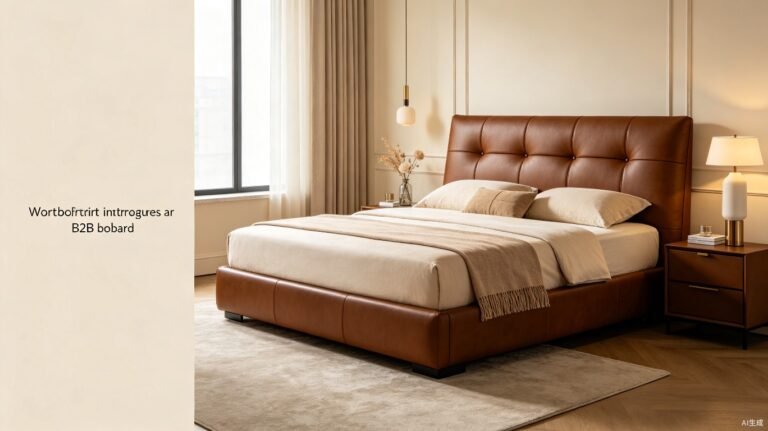
A bedroom bench should feel like part of the furniture family, not an afterthought. When the bench upholstery matches or complements the bed frame and headboard material, the room achieves a cohesive, professionally designed look. When materials clash — a fabric bench against a leather bed, for example — the visual disconnect undermines the overall aesthetic.
For furniture collections, specifying the same material across beds, benches, and ottomans eliminates color-matching challenges. Batch consistency becomes critical when a single collection includes multiple SKUs. Silicone leather offers tight color tolerance (Delta E < 1.0) and texture consistency across production runs, ensuring that a bench ordered six months after the bed frames will still match perfectly.
Texture choice also affects coordination. A bench upholstered in the same lychee grain as the headboard and bed frame creates visual continuity. Using a complementary texture — cross-grain on the bench against lychee on the bed — adds subtle design interest while staying within the same material family.
Bedroom Bench Material Comparison
| Material | Front Edge Wear | Flex Resistance | Spill Cleaning | Color Consistency |
|---|---|---|---|---|
| Fabric | Poor — pills, frays | Moderate | Difficult — absorbs spills | Varies by dye lot |
| PU leather | Moderate — peels at edges | Poor — cracks when flexed | Moderate — wipes clean | Good |
| PVC vinyl | Good — impact resistant | Moderate | Good — wipes clean | Good |
| Silicone leather | Excellent — scuff-resistant | Excellent — 100,000+ cycles | Excellent — bleach-safe | Excellent — Delta E < 1.0 |
Request Bedroom Bench Swatches
Frequently Asked Questions
Should a bedroom bench match the bed exactly?
Matching exactly creates the most cohesive look, but complementary coordination works too. The key is staying within the same material family. A silicone leather bench in a slightly different shade or texture will coordinate beautifully with a silicone leather bed. Mixing material families — fabric bench with leather bed — rarely succeeds.
How thick should bench upholstery be?
Bench upholstery typically ranges from 0.8mm to 1.2mm. Thinner materials work better for tight corners and detailed stitching on decorative benches. Thicker materials provide more cushioning on storage bench lids. We recommend 1.0mm as a versatile standard for most bedroom bench applications.
Is silicone leather suitable for storage benches with hinged lids?
Yes. Silicone leather excels in flexing applications. The material withstands repeated compression and release at the hinge line without cracking or delaminating. This makes it ideal for storage benches where the lid opens and closes daily.
Completing the Bedroom with the Right Bench
A bedroom bench may be a supporting actor in the room, but it is one that sees daily use and close inspection. Choosing a bedroom bench upholstery material that handles shoe contact, bedding friction, flexing, and cleaning ensures the bench looks as intentional in year three as it did on day one.
If you are developing a bedroom furniture collection and want to coordinate bench upholstery with beds and headboards, we can provide matched swatches and collection-specific recommendations.
About TOPSUN
TOPSUN manufactures silicone leather for bedroom furniture, upholstered benches, ottomans, and hospitality interior projects. Our materials offer 200,000+ Martindale cycles, custom color and texture matching, and batch consistency for large furniture collections.
Relevant standards: REACH compliant, RoHS compliant, OEKO-TEX Standard 100, FDA 21 CFR 177.2600.