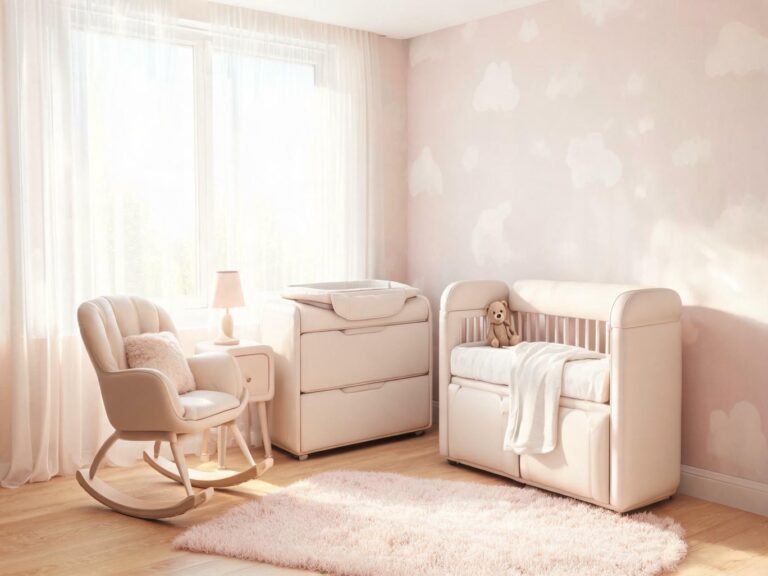
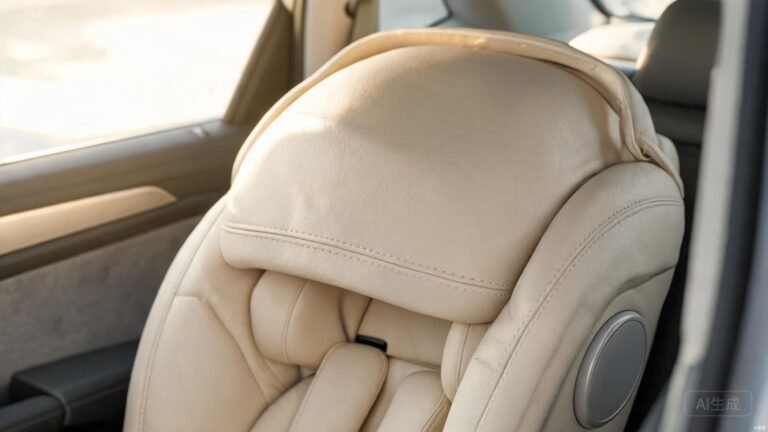
Infants spend 14–17 hours a day sleeping — and much of that time, their face is inches from the crib’s bumper, headboard, or rail cover. This proximity makes baby crib upholstery material one of the most safety-critical choices in children’s product design. The material must not emit harmful substances, must not harbor bacteria, and must be gentle against delicate skin during the months when babies chew, drool, and rub against every surface within reach.
Safety Requirements That Actually Matter

Baby product regulations vary by market, but the common thread is strict chemical restrictions. Here are the key compliance frameworks:
- EU REACH Regulation — restricts over 200 SVHCs (Substances of Very High Concern). Materials must not contain restricted substances above threshold limits
- EU Toy Safety EN 71-3 — limits migration of 19 elements including lead, cadmium, and chromium. Often applied to crib materials even when not technically “toys”
- CPSIA (US) — limits lead and phthalates in children’s products. Crib bumpers and rail covers fall under this regulation
- GB 6675 (China) — Chinese national standard for toy safety, frequently referenced for crib material compliance
Silicone leather’s inorganic chemistry provides a significant compliance advantage here. With no plasticizers, no PVC, no formaldehyde, and no heavy metal catalysts, it passes REACH and CPSIA testing without special formulation — the standard product is already compliant. Our baby and kids applications page details the specific test reports available.
Request Baby-Safe Material Samples
Material Comparison for Crib Applications
| Property | Silicone Leather | Organic Cotton | PU Leather |
|---|---|---|---|
| Phthalate Free | Yes (no plasticizers) | Yes | Check formulation |
| Drool / Spit-Up Resistance | Wipes clean | Absorbs, stains | Wipes clean |
| Antibacterial Surface | Available option | Requires treatment | Requires treatment |
| Washable | Wipe clean | Machine wash | Wipe clean |
| Bite / Chew Resistance | Non-toxic if ingested | Fiber ingestion risk | Check formulation |
The chewing factor: Babies chew on crib rails — it’s a developmental milestone, not a problem to solve. The material covering that rail must be non-toxic if small pieces are ingested. Silicone is FDA-approved for food contact, which provides an extra layer of assurance for parents. PU and PVC materials, depending on formulation, may contain plasticizers and stabilizers that parents rightfully want to avoid.
Breathability and Temperature Regulation

Breathability matters for crib materials, though it’s sometimes misunderstood. The concern isn’t that the baby “overheats” through the upholstery — it’s that a non-breathable cover can trap moisture against the surface, creating conditions for mold or mildew growth.
For baby product leather materials, we offer perforated versions that allow air circulation while maintaining the wipe-clean surface. The perforation density can be customized — 1mm holes at 5mm spacing is a common specification for crib applications, balancing breathability with structural integrity.
Temperature-wise, silicone leather doesn’t absorb and retain body heat the way memory foam or thick padding can. The surface stays relatively neutral to the touch, which is comfortable for babies who press their faces against crib bumpers during sleep.
Baby-safe certification overview — testing and compliance for children’s product materials.
Frequently Asked Questions
Is silicone leather safe if a baby chews on it?
Silicone leather is not a food and should not be intentionally ingested. However, the silicone polymer is chemically inert and non-toxic. Our food-grade silicone leather is FDA-compliant for food contact, which provides a conservative safety margin for incidental oral exposure. We recommend this grade for crib rail covers where chewing is expected.
How do I clean crib upholstery made of silicone leather?
A damp cloth with mild soap is sufficient for daily cleaning. For disinfection, a 70% isopropyl alcohol solution or baby-safe disinfectant wipes work without damaging the surface. Unlike fabric crib bumpers, there’s no need for machine washing or dry cleaning.
Can silicone leather meet OEKO-TEX Standard 100 Class 1?
Class 1 (for babies and toddlers) is the most stringent OEKO-TEX certification. Our standard silicone leather materials pass the testing requirements for harmful substance limits. For programs that require formal OEKO-TEX labeling, we coordinate testing through certified laboratories. The silicone leather for baby products guide covers certification details.
Safety Without Compromise
Choosing a baby crib upholstery material means choosing between materials that meet the minimum legal requirements and materials that give parents genuine peace of mind. Silicone leather occupies the latter category — its non-toxic, PVC-free, and wipe-clean properties align with what today’s parents expect from premium children’s products.
For manufacturers, the practical advantage is straightforward: one material that passes REACH, CPSIA, EN 71-3, and FDA food-contact standards without special formulation. That simplifies compliance across multiple markets and reduces the risk of supply chain surprises during third-party testing.
Discuss Your Baby Product Program
About TOPSUN
TOPSUN manufactures FDA-compliant, REACH-certified silicone leather for baby cribs, strollers, high chairs, and children’s furniture. We provide full test reports and material declarations for every children’s product program.
Certifications: REACH, RoHS, FDA (food contact), ISO 9001. Testing per EN 71-3, CPSIA, GB 6675 available upon request.