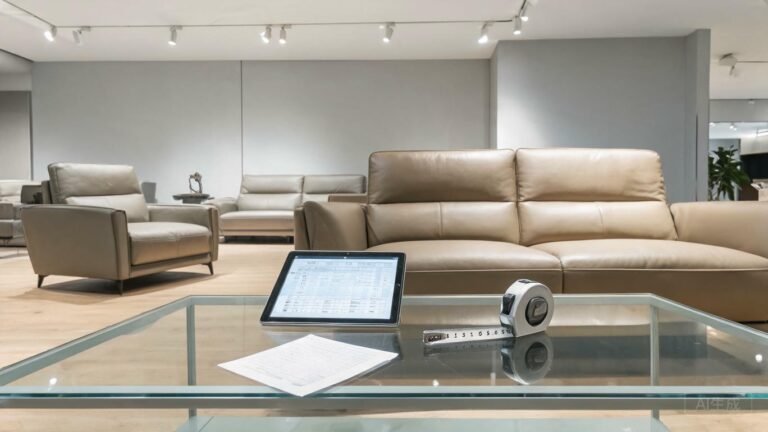
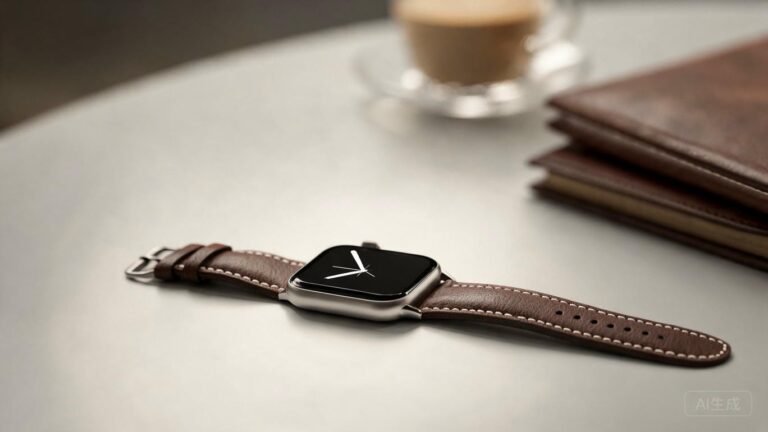
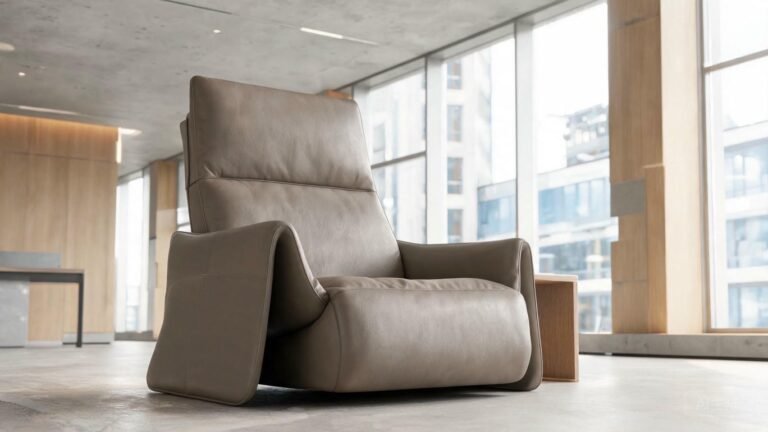
Silicone faux leather represents the next generation of synthetic leather materials. Unlike traditional PU and PVC alternatives, this innovative vegan leather fabric delivers exceptional durability, environmental safety, and versatile applications across furniture, automotive, and consumer goods industries.
As a leading synthetic leather manufacturer, TOPSUN has pioneered advanced silicone‑based synthetic leather that outperforms conventional materials. This comprehensive guide explores everything you need to know about selecting, customizing, and sourcing premium leather‑like material for your specific requirements.
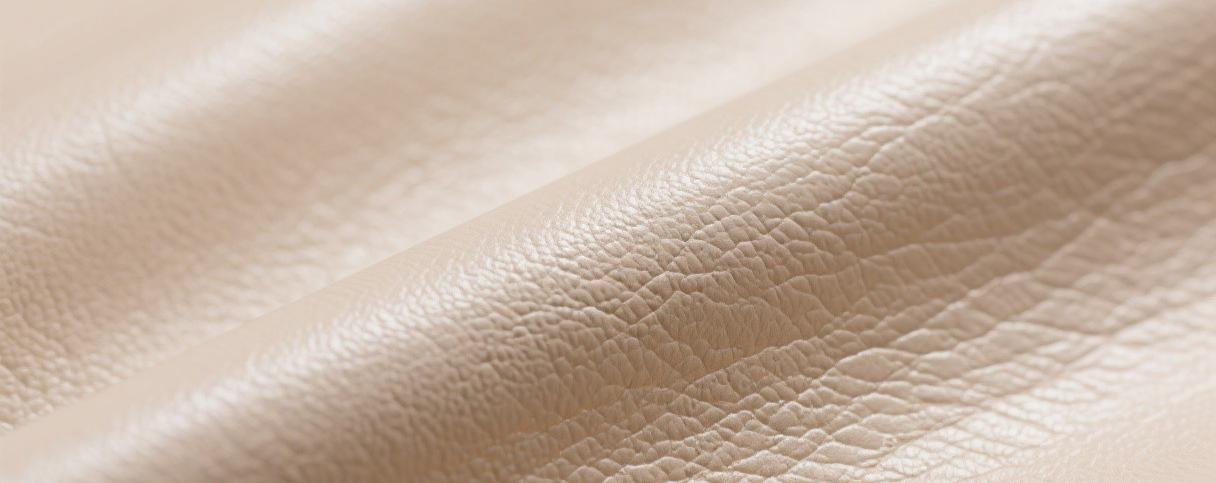
What Is Faux Leather? Understanding Synthetic Leather Types
Faux leather, also known as synthetic leather or vegan leather, refers to man‑made materials engineered to mimic genuine leather’s appearance and functionality. The market offers several distinct categories, each with unique characteristics and performance profiles.
1. Traditional PU Leather
Polyurethane (PU) leather remains the most common leather alternative. Manufacturers apply PU coating to fabric backing to create a leather‑like surface. While cost‑effective, PU leather typically lasts 3‑5 years and suffers from vulnerability to UV exposure and hydrolysis.
2. PVC Synthetic Leather
Polyvinyl chloride (PVC) synthetic leather offers better durability than PU but contains plasticizers and chlorine. Environmental concerns and stiffness limitations have reduced its popularity in high‑end applications.
3. Silicone Faux Leather: The Premium Alternative
Silicone faux leather marks a breakthrough in vegan leather technology. Made from 100% silicone polymer without PVC, phthalates, or solvents, this material delivers:
- 10+ year service life under regular use
- Superior UV and weather resistance
- Food‑grade safety certification (FDA compliant)
- Outstanding stain and scratch resistance
- Soft, supple hand feel comparable to genuine leather
Faux Leather Performance: Key Metrics That Matter
When evaluating silicone leather fabric for commercial applications, understanding performance specifications ensures you select material that meets your durability and aesthetic requirements.
All performance testing below follows global industry standards. For official compliance references, please review ISO 10993 biocompatibility and textile safety criteria.
1. Abrasion Resistance (Martindale Test)
Premium upholstery‑grade silicone leather should withstand 100,000+ Martindale cycles. TOPSUN’s silicone faux leather exceeds 200,000 cycles, making it ideal for high‑traffic furniture and automotive seating.
2. Color Fastness to Light
UV exposure causes fading and degradation in low‑grade synthetic leather. Quality silicone leather maintains color stability at Grade 4‑5 (Blue Wool Scale) after 200+ hours of xenon arc exposure.
3. Hydrolysis Resistance
Humid environments challenge conventional PU leather, causing sticky surfaces and peeling. Silicone‑based vegan leather demonstrates superior hydrolysis resistance, performing reliably in tropical climates and marine applications.
4. Flame Retardancy
Commercial applications often require CAL 117, BS 5852, or FMVSS 302 compliance. Advanced silicone leather formulations achieve these certifications without toxic flame retardants.
Silicone Leather for Furniture: Design Considerations
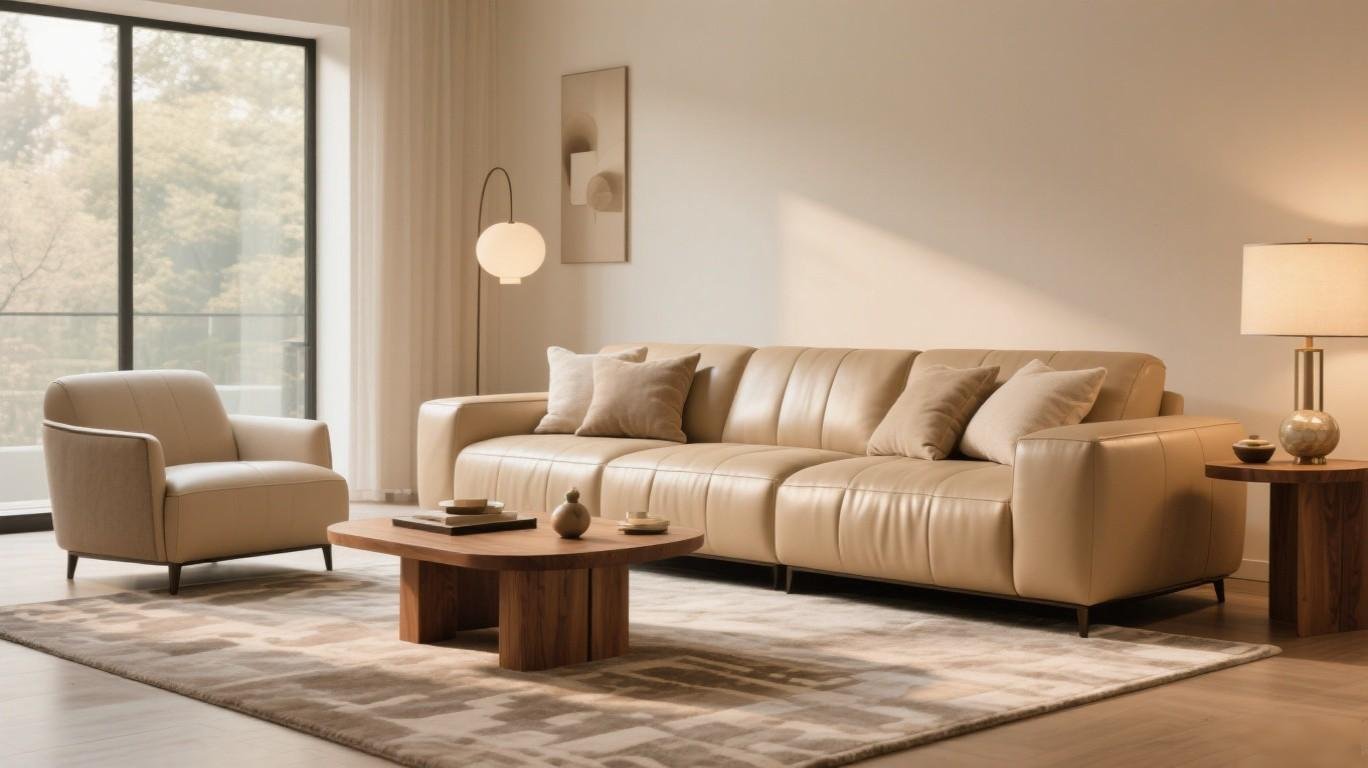
Selecting vegan leather for furniture requires balancing aesthetics, performance, and budget constraints. Different furniture categories demand specific material properties.
Residential Sofas and Chairs
Home furniture benefits from soft‑hand leather‑like fabric with 0.8‑1.2mm thickness. Look for materials offering 100,000+ Martindale abrasion resistance and easy‑clean surfaces for family‑friendly durability.
Commercial and Hospitality Seating
Hotels, restaurants, and offices require heavy‑duty synthetic leather with enhanced abrasion resistance (150,000+ cycles), antimicrobial properties, and bleach‑cleanable surfaces.
Healthcare Furniture
Medical applications demand specialized vegan leather with permanent antimicrobial protection, resistance to hospital‑grade disinfectants, and seamless construction for infection control.
Need expert guidance for your furniture project?
Silicone Leather for Automotive: Meeting Industry Standards
Automotive interior applications present unique challenges for synthetic leather materials. Extreme temperature variations, UV exposure, and stringent safety regulations require specialized formulations.
Key Automotive Requirements
- Heat Resistance: Withstand 200°C+ dashboard temperatures without deformation
- Cold Flexibility: Maintain suppleness at -30°C for cold‑climate performance
- VOC Emissions: Meet OEM standards for interior air quality (VDA 270, ISO 12219)
- Color Matching: Precision color consistency across large‑scale production batches
Silicone faux leather excels in automotive applications, offering superior performance for seating, door panels, and dashboard coverings compared to conventional materials.
How to Choose a Vegan Leather Manufacturer
Selecting the right faux leather manufacturer impacts product quality, delivery reliability, and long‑term business success. Evaluate potential suppliers against these critical criteria.
1. Manufacturing Capabilities
Assess production capacity, equipment sophistication, and quality control systems. Leading synthetic leather manufacturers operate automated coating lines with precise thickness control (±0.05mm) and real‑time defect detection.
2. Certification and Compliance
Verify ISO 9001 quality management certification and relevant product certifications:
- FDA food‑contact approval
- REACH and RoHS chemical compliance
- CAL 117 / BS 5852 flame retardancy
- OEKO‑TEX Standard 100
3. Customization Services
Premium synthetic leather wholesale suppliers offer comprehensive customization including embossing patterns, custom colors (Pantone matching), thickness variations (0.3mm‑3.0mm), and specialized backing fabrics.
4. Sample and Prototyping Support
Reliable manufacturers provide free A4 samples, production trials, and technical documentation to support your product development process.
Why manufacturers choose TOPSUN as their faux leather supplier:
- ISO 9001 certified production facility
- 6 million meters annual capacity
- 7‑15 day sample turnaround
- Dedicated technical support team
Silicone Leather vs Real Leather: Making the Right Choice
The decision between faux leather and genuine leather involves weighing performance, sustainability, cost, and ethical considerations.
Performance Comparison
| Characteristic | Silicone Faux Leather | Genuine Leather |
|---|---|---|
| Durability | 10+ years | 10‑20 years (with regular maintenance) |
| Water Resistance | Excellent (fully waterproof) | Poor (requires regular treatment) |
| UV Resistance | Excellent | Poor (prone to fading and cracking) |
| Maintenance | Minimal (simple wipe‑and‑clean) | High (regular conditioning & protection) |
| Consistency | Uniform color and texture | Natural variations |
| Cost | Lower ($8‑25/yard) | Higher ($15‑50/yard) |
Sustainability Considerations
Modern vegan leather offers compelling environmental advantages. Silicone‑based faux leather contains no animal products, eliminates chromium‑tanning pollution, and provides recyclable end‑of‑life options. Life‑cycle assessments show a 40‑60% lower carbon footprint compared to conventional leather production.
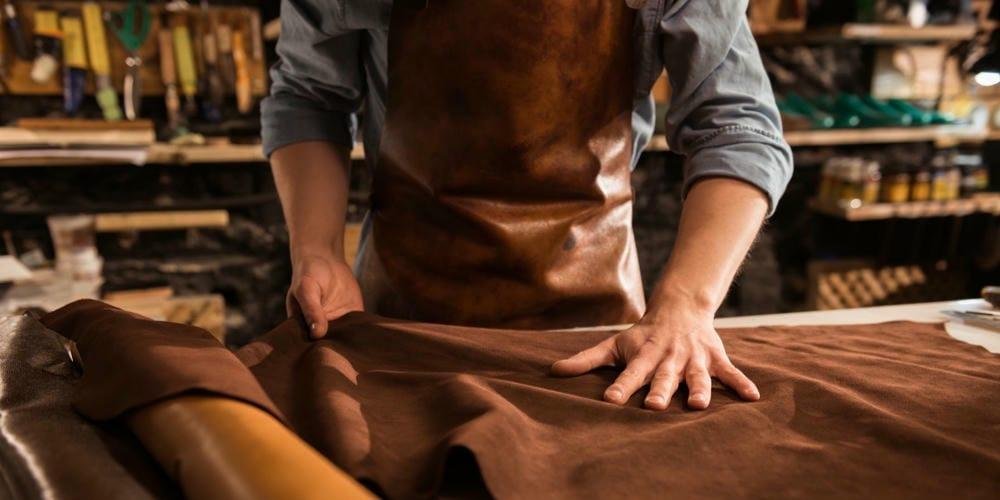
Custom Vegan Leather Solutions from TOPSUN
As a specialized faux leather manufacturer, TOPSUN delivers tailored material solutions for diverse industry requirements.
Product Series Overview
Classic Series: Standard 0.8‑1.0mm leather‑like fabric for general upholstery applications. Available in 500+ stock colors with 50,000 Martindale abrasion resistance.
Ultra‑Thin Series: 0.23‑0.6mm synthetic leather for electronics accessories, packaging, and applications requiring flexibility and lightweight construction.
Designer Series: Premium embossed patterns including lychee, nappa, and exotic textures. Custom embossing available for unique brand differentiation.
High‑Performance Series: Specialized formulations for extreme environments including marine‑grade waterproof leather‑like material, medical‑grade antimicrobial surfaces, and automotive OEM specifications.
Customization Options
- Surface Finishes: Matte, glossy, two‑tone, metallic effects
- Backing Fabrics: Cotton, polyester, stretch knit, non‑woven
- Special Properties: Flame retardant, anti‑static, conductive, reflective
- Dimensions: Custom roll widths (54″, 55″, 58″, 60″) and lengths
Frequently Asked Questions About Faux Leather
Is faux leather as durable as real leather?
Quality silicone faux leather matches or exceeds genuine leather durability in many applications. While top‑grain leather may last 10‑20 years with proper care, it requires regular maintenance. Premium synthetic leather delivers a 10+ year lifespan with minimal maintenance and superior resistance to water, UV, and stains.
Can faux leather be repaired if damaged?
Minor surface damage to leather‑like fabric can often be repaired using specialized compounds and color‑matching techniques. However, extensive damage typically requires panel replacement. This characteristic makes modular furniture design advantageous for commercial applications.
Is faux leather suitable for outdoor use?
Standard faux leather is not recommended for long‑term outdoor exposure. However, specialized marine‑grade and outdoor formulations with enhanced UV stabilizers and waterproof backing provide excellent performance for patio furniture, marine seating, and open‑air applications.
How do I clean and maintain faux leather?
Most faux leather surfaces clean easily with mild soap and water. Avoid harsh solvents, abrasive cleaners, and excessive heat. For healthcare and hospitality applications, select bleach‑cleanable formulations that withstand hospital‑grade disinfectants.
Conclusion: Choosing the Right Faux Leather for Your Application
Synthetic leather technology has evolved dramatically, with silicone‑based faux leather offering performance advantages that challenge traditional materials. Whether you need durable silicone leather for furniture, automotive‑grade specifications, or food‑safe materials for baby products, understanding material properties ensures optimal selection.
The key to successful leather‑like material sourcing lies in partnering with experienced manufacturers who provide technical expertise, quality certification, and responsive customization services. By prioritizing performance specifications over price alone, you achieve superior product longevity and customer satisfaction.
Ready to explore how premium faux leather can elevate your products? TOPSUN’s technical team provides complimentary material consultation and sample evaluation to ensure you select the optimal synthetic leather solution for your specific requirements.
Start Your Faux Leather Project Today
Free samples • Technical consultation • Custom development
Related Resources
- Faux Leather for Furniture Applications
- Automotive Interior Leather Solutions
- Food‑Grade Faux Leather for Baby Products
- Explore Our Faux Leather Applications Series
About TOPSUN
TOPSUN is an ISO 9001‑certified synthetic leather manufacturer specializing in premium silicone faux leather for furniture, automotive, medical, and consumer applications. With 6 million meters annual production capacity and comprehensive customization capabilities, we deliver material solutions that meet the most demanding performance specifications.
Contact us: Request Information | Email: info@topsunsiliconeleather.com