Every buyer asks for good quality faux leather. Very few define how they will recognize it when the container doors open. After years of third-party inspections, the pattern is consistent: the material that fails was never tested against anything, only looked at. Quality is not a property a roll carries. It is a protocol the buyer enforces. This article hands over that protocol, the same six checks an inspector runs before a shipment earns a release note.
The checks run in order, from the warehouse rack to the laboratory file. Each one takes minutes. Together they catch the failures that otherwise surface on your production floor, where they cost ten times more.
Good Quality Faux Leather Is Verified, Not Claimed
Catalogs sell adjectives. Inspection tables sell evidence. A mill can print premium on any hangtag, and the word costs nothing to reproduce. What cannot be faked across a full shipment is color matched to a sealed reference, a clean cross-section, and test reports with traceable batch numbers. That is why inspectors never accept a roll because it looks close. Close is a description, not a measurement.
| Check | What Passing Looks Like | Red Flag |
|---|---|---|
| Approved reference | Roll compared side by side to the sealed lab header | Compared from memory or a photo |
| Color consistency | Spectrophotometer Delta E at or under 1.5 across rolls | Color judged by eye under mixed lighting |
| Surface defects | Two or fewer defects per 100 m under raking light | Only the outer wrap inspected |
| Cross-section | Clean bond line, backing matches the spec sheet | Nobody has cut the material open |
| Documents | Original lab reports, batch numbers, verifiable lab | Retyped PDFs with no batch trace |
| Pilot release | One roll runs through cutting before the balance ships | Full volume released on swatch approval alone |
At the Rack: Reference, Color, and Surface
Inspection starts before the first roll moves. The sealed reference that both parties countersigned at sampling is the only judge. Unroll a few meters and lay the production material against it under the same light source, then measure rather than argue. A spectrophotometer reading of Delta E 1.5 or lower across rolls means the dye kitchen is in control. Drift beyond that predicts visible panel mismatch on finished furniture.
Surface defects come next, and raking light does the work. Shine a lamp almost flat across the surface and pits, coating streaks, and press marks stand out like dents on a car door. Professional incoming standards tolerate roughly two defects per 100 meters. Buyers who skip this step usually discover the defects mid-cut, when the defects cut straight into panel yield.

The lab bench settles arguments that swatch cards start.
Book a Pre-Shipment Inspection Talk
The Cross-Section Test Most Buyers Skip
Cut a square centimeter from the roll edge and look at it under magnification. The cross-section tells you what marketing cannot: coating thickness uniformity, the bond line between film and backing, and whether the backing fabric matches the spec you paid for. A hollow or fuzzy bond line predicts delamination. A substituted backing predicts flex failures that no surface inspection will reveal. This one cut has killed more supplier claims than any laboratory in my experience, and it costs nothing.

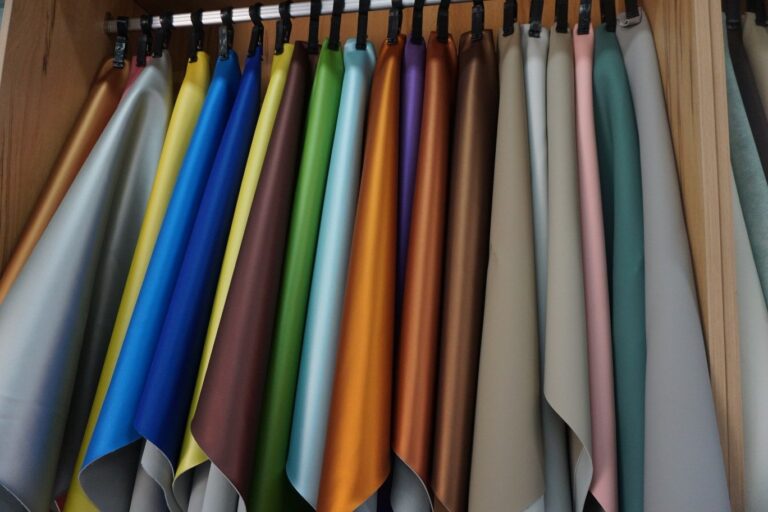
Every roll on that wall is a claim until someone cuts one open.

Document review happens beside the rack, not after the container leaves.
Documents: Original Reports or Nothing
Test reports deserve the same skepticism as the material. Ask for the original laboratory file with the batch number on it, then verify the batch against the shipment. Re-typed PDFs with a lab logo are marketing. Real reports from accredited names like SGS, BV, or TÜV carry sample IDs you can confirm with the issuing lab in one email. Mills that run honest QC welcome the check, because verification is exactly what their report fees buy. Our full vs semi silicone leather guide lists which numbers belong in that file for each construction.
Abuse Tests You Can Run This Afternoon
Three hands-on tests separate good quality faux leather from the rest before any instrument is involved. Fold a sample coating-in and press it overnight: cracking at the crease by morning means a brittle surface film. Scrub a stained patch with a mild alcohol wipe: color transfer onto the cloth means the finish will fail in a clinic or a cafe. Flex the sample by hand a hundred times at a fold line: whitening along the bend predicts seat-edge cracking within a season. None of these replaces lab data. All three predict it.
Materials engineered for hard use publish their numbers because they survive these games. The chemistry behind our silicone leather introduction passes the overnight fold and the alcohol wipe without discussion, which is why it anchors the high-wear end of most material ladders.
The Verdict: Quality Is a Protocol
Good quality faux leather is the shipment that survives six checks: reference match, measured color, counted defects, an honest cross-section, traceable reports, and a pilot roll through your own cutting room. Approve material that way once and the word quality stops being a negotiation. Want a second opinion before the balance ships? Send the inspection findings and we will help you read them.
What Delta E is acceptable for faux leather?
Incoming inspection standards typically hold Delta E at or below 1.5 across rolls in a shipment. Above that, adjacent panels can show visible mismatch after upholstery, especially in light shades.
Should I inspect every roll or sample a few?
Sample by AQL for routine orders, but inspect 100 percent of rolls for a first order from a new mill. The first shipment carries the highest risk of substitution and process drift.
Order Inspection-Ready Sample Sets
About TOPSUN
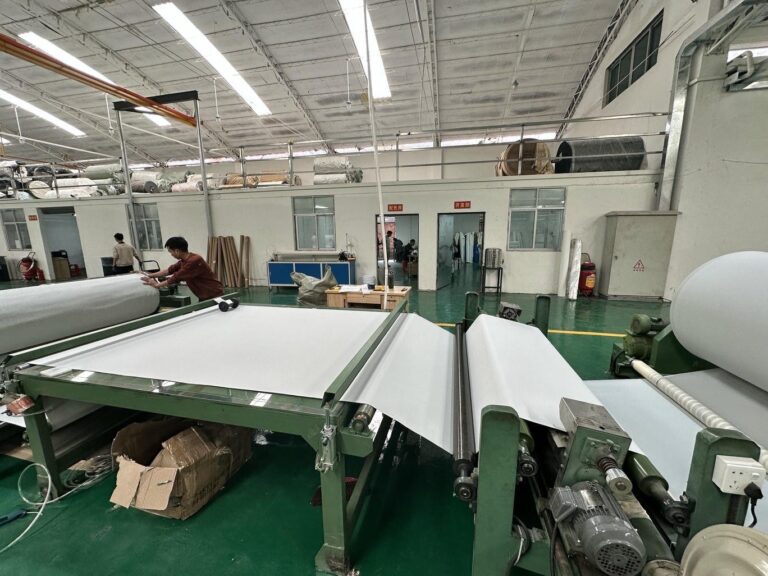
TOPSUN runs multi-stage QC on every silicone leather order, from raw material viscosity checks to spectrophotometer color control and final roll inspection.
SGS test reports ship with every order, and third-party inspection by SGS, BV, or TÜV is welcome on site.
References
1. https://www.solamnishoematerial.com/info/top-5-… — Incoming metrics for synthetic leather: color consistency Delta E of 1.5 or lower, surface defects at 2 or fewer per 100 m
2. https://www.nubuck-leather.com/info/microfiber-… — Incoming QC rule: never accept rolls on appearance alone until they match the approved reference