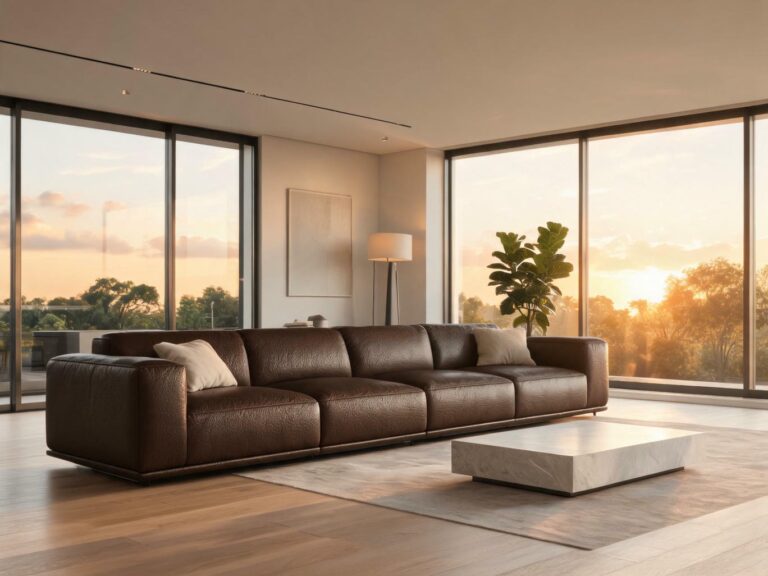
What exactly does a listing mean when it says PVC genuine leather? My workshop reupholsters around two hundred seats a year, and that phrase shows up on more fabric sample cards than any other. Here is the honest answer: it is a contradictory label, not a hybrid material. PVC is a plastic sheet. Genuine leather is animal hide. A product carries one surface or the other, and the pairing exists to catch searches, not to describe chemistry. This guide reads the phrase apart, then helps you choose between the two materials with a clear verdict table.
What the Phrase Actually Means on a Listing
Sellers stack the two words for search traffic. Some mean “PVC leather that looks as good as genuine.” Others mean “we sell both, pick one.” A few listings attach the phrase to bicast, a split hide with a thick PVC finish, which is the only case where both materials literally share one product. In every version, the phrase hides more than it reveals. The spec sheet underneath is the only text worth reading.
Where PVC Outperforms the Hide
Shop floors keep me honest about plastic sheet. On abrasion, technical comparisons put standard residential PVC at more than 50,000 Martindale cycles, while genuine leather averages 20,000 to 80,000 depending on grade. A budget hide can wear out faster than a decent PVC panel. PVC also wipes clean, shrugs off spills, and ships in flawless consistency across two hundred yards. For seats that get hard daily use, that consistency is a real advantage.

Where the Hide Wins, Decade After Decade
Skin beats sheet on the comforts that customers actually feel. Genuine leather breathes, so long sits stay cool, while PVC traps heat against the body. Well-kept hide lasts twenty years or more, reconditions instead of peeling, and develops a patina that raises perceived value. Manufacturer guides list that patina and long-term durability as the premium reasons to pay for hide. PVC cannot recondition. Once the plasticizer migrates and the surface cracks, the panel is finished, typically after three to five years indoors.

The Workshop View: Choosing by Program
I quote both materials differently depending on where the furniture will live. Rental units and waiting rooms get PVC, because turnover favors low upfront cost and easy cleaning. Family heirloom recliners get hide, because nobody reupholsters a peeling panel twice. Humid coastal rooms complicate both choices, which is why I also quote silicone-coated material as a third path. The furniture and sofa application guide maps materials by room, and the full versus semi silicone leather grades page shows the upgrade tiers.

Samples settle seat-time debates faster than brochures. Order PVC, Hide, and Silicone Swatches Together
The Verdict Table
Run your program down this table and take the first match. It compresses two hundred seats of shop experience into four lines.
| Program | Choose | Why |
|---|---|---|
| High-turnover commercial seating | PVC | Low cost, easy cleaning, 50K+ rubs |
| Long-hold family furniture | Genuine leather | 20+ year life, patina, repairable |
| Hot or humid rooms | Silicone-coated | No plasticizer loss, no peel clock |
| Anything labeled PVC genuine leather | Ask for the spec sheet | The phrase is marketing, not a material |
One question protects the whole purchase: what polymer, on what backing, with what test data? Suppliers who can answer it usually let you walk the floor, and the factory production line page shows what that floor should look like. Send Your Program for a Material Quote
TOPSUN manufactures silicone-coated leather in its own factory, from base fabric to finished rolls under one roof. The line runs Pantone and RAL matching, more than 100 textures, and 500,000 meters of monthly capacity, with batch-level SGS reporting for every order.