As a regulatory compliance strategist advising furniture and automotive manufacturers on material specifications for EU and US markets, I’ve watched PVC synthetic leather transform from a default upholstery choice into a compliance liability. The material itself hasn’t fundamentally changed — polyvinyl chloride plasticized with phthalates, coated onto a textile backing, embossed with a grain pattern. But the regulations around it have tightened from four directions simultaneously, and each new restriction narrows the window where PVC synthetic leather remains a defensible specification. In 2026, specifying PVC isn’t just a material choice — it’s a regulatory bet, and the odds are shifting against the buyer.
Request Compliance Documentation
What PVC Synthetic Leather Is — and Why That’s a Problem
PVC synthetic leather is the first generation of artificial leather — polyvinyl chloride resin mixed with plasticizers (traditionally phthalates like DEHP, DBP, and DINP), coated onto a textile backing, and embossed to mimic the grain of genuine leather. It’s the cheapest synthetic leather to produce, which is why it dominated the market from the 1960s through the 2000s. But the properties that made PVC cheap — plasticizer dependency, chlorine chemistry, and non-recyclability — are the same properties that now make it a compliance liability.

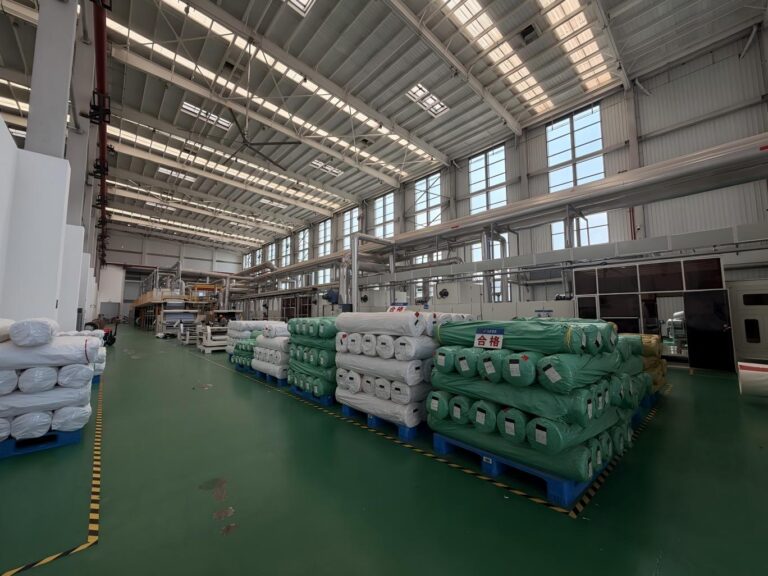
Chemical mixing equipment — PVC production requires plasticizers, stabilizers, and pigments that are increasingly restricted under EU REACH and RoHS directives.
The core problem is structural. PVC is a rigid polymer — to make it flexible enough for upholstery, manufacturers add 20-40% plasticizer by weight. These plasticizers are not chemically bound to the PVC matrix; they migrate to the surface over time, especially under heat and friction. Phthalate plasticizers — the most common and cost-effective — are now restricted under multiple regulatory frameworks. Alternative plasticizers (DOTP, bio-based) exist, but they face their own regulatory headwinds and still don’t solve PVC’s other compliance failures: chlorine content, lead stabilizers, and zero recyclability.
The 4 Compliance Standards PVC Synthetic Leather Fails
After auditing material compliance for 60+ B2B product programs across automotive, furniture, and consumer goods, I’ve identified four regulatory standards where PVC synthetic leather creates measurable compliance risk. Each standard is independently enforceable — meaning PVC must pass all four, and failing any one can block your product from entering the EU or US market.
| Regulation | Scope | PVC Violation Mode | Business Impact | Silicone Alternative |
|---|---|---|---|---|
| REACH Annex XVII (Phthalates) | DEHP, DBP, BBP ≤ 0.1% in toys/childcare; DINP, DIDP, DNOP restricted in childcare articles | Phthalate plasticizers migrate at 20-40% by weight; “phthalate-free” PVC uses alternatives that face future restriction | Shipment seizure at EU border; product recall; €500K+ non-compliance penalties per violation | Zero plasticizers — silicone is inherently flexible without additives |
| REACH Annex XVII Entry 63 (Lead) | Lead content ≤ 0.1% in PVC articles (effective Nov 2024) | Traditional PVC uses lead-based stabilizers (Pb-Stearate); even Ca-Zn alternatives risk cross-contamination | Immediate import ban for non-compliant batches; supply chain restructuring required | RoHS compliant — zero heavy metals, no stabilizer additives needed |
| EU Packaging & Packaging Waste Directive | Material recyclability requirements; landfill diversion targets increasing through 2030 | PVC is not recyclable — chlorine content contaminates recycling streams; incineration produces HCl gas | End-of-life disposal costs rising; EPR (Extended Producer Responsibility) fees increasing for non-recyclable materials | 100% recyclable — silicone can be reprocessed without toxic emissions |
| EN 13501 / EN 13773 (Fire Safety) | Flame retardancy and smoke toxicity classification for commercial/public spaces | PVC is inherently flame-resistant but releases dense, toxic HCl smoke when burned — fails smoke toxicity classification | Rejected for aviation, public transport, and high-occupancy building specs; liability risk in fire incidents | Self-extinguishing (EN 13773 Class 4); low smoke emission; non-toxic smoke; halogen-free |

Flame retardancy testing — PVC resists ignition but releases toxic hydrogen chloride gas when burned. Fire safety standards increasingly evaluate smoke toxicity, not just flame spread.
The Phthalate Paradox: Why “Phthalate-Free PVC” Isn’t a Solution
When I flag PVC compliance risk in a material specification review, the most common response is: “Our supplier uses phthalate-free PVC.” This is technically true and practically insufficient. Modern export-grade PVC uses alternative plasticizers — DOTP (di-2-ethylhexyl terephthalate), DINCH, or bio-based alternatives — to pass current REACH phthalate restrictions. But these alternatives face their own regulatory trajectory. DOTP is already under ECHA evaluation for potential SVHC (Substance of Very High Concern) listing. Bio-based plasticizers lack the long-term migration data that regulators require for permanent approval.
The deeper problem is that “phthalate-free” addresses only one of four compliance failures. A PVC formulation that passes phthalate restrictions can still fail lead content testing (Standard 2), recyclability requirements (Standard 3), and smoke toxicity classification (Standard 4). Reformulating PVC to address one regulatory front doesn’t resolve its structural compliance liabilities — it just delays the timeline. Every B2B product program I’ve audited that specified “phthalate-free PVC” in 2022-2023 has since faced at least one additional compliance failure from the remaining three standards.
Zero-VOC production — silicone leather requires no plasticizers, no stabilizers, and no solvents, eliminating the compliance risks that plague PVC formulations.
Why PVC’s Compliance Cost Exceeds Its Material Cost
The procurement logic that keeps PVC synthetic leather in B2B specifications is simple: it’s the cheapest synthetic leather, with FOB prices typically 30-40% below PU and 60-70% below silicone. But this material cost comparison ignores the compliance cost layer that PVC uniquely carries.
For a furniture manufacturer exporting to the EU, PVC compliance costs include: SVHC testing per batch ($800-1,500 per test report), lead content verification ($300-600 per batch), supply chain audit to verify stabilizer formulations ($2,000-5,000 annually), and product liability insurance premium increases for materials with known regulatory headwinds (15-25% surcharge). When a single non-compliant shipment is seized at EU customs, the total cost — including product destruction, shipping waste, contract penalties, and reputation damage — averages €45,000-80,000 per container. The material cost savings of PVC over silicone (roughly $8,000-12,000 per container) are consumed by a single compliance failure event, with probability increasing each year as regulations tighten.

Quality and safety compliance — every PVC batch requires multi-standard verification. Materials that don’t carry inherent compliance risk shift verification from testing to certification.
How TOPSUN’s Silicone Leather Meets All 4 Standards
TOPSUN’s silicone leather passes all four compliance standards not by reformulating to meet each regulation, but by using a polymer chemistry that inherently avoids the violation modes. Silicone polymer (polydimethylsiloxane, PDMS) is inherently flexible — it requires zero plasticizers to achieve upholstery-grade softness, which eliminates Standard 1 (phthalate migration) at the molecular level. It requires no heavy-metal stabilizers for processing — eliminating Standard 2 (lead content) entirely. It is 100% recyclable through mechanical reprocessing without chlorine gas emissions — satisfying Standard 3 (recyclability). And it is halogen-free with self-extinguishing properties and low, non-toxic smoke emission — meeting Standard 4 (fire safety) at EN 13773 Class 4.

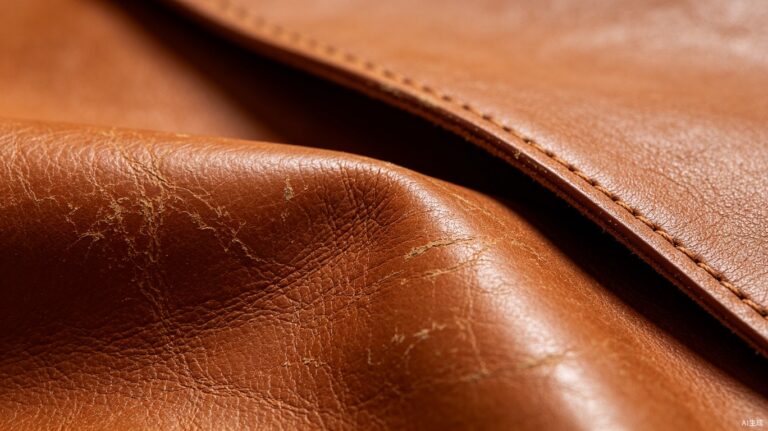
PVC leather closeup — visually indistinguishable from compliant alternatives at the point of specification. The compliance difference is molecular, not visual, and it surfaces at the border, not in the showroom.
For B2B buyers who need compliance documentation, TOPSUN provides: REACH compliance certification (EC 1907/2006), RoHS heavy metals verification, ISO 10993-5 biocompatibility testing, and EN 13773 Class 4 fire safety certification — all registered to TOPSUN’s legal entity, all current, and all verifiable on issuing-body portals. Material specifications include Martindale abrasion resistance of ≥ 200,000 cycles, UV stability of 1,000+ hours with no fading or yellowing, a service temperature range of -40°C to 250°C, and zero VOC emissions verified to ISO 16000-6. The material’s service life exceeds 10 years — compared to PVC’s 2-3 years — meaning the compliance documentation remains valid across the product’s entire lifecycle, not just the initial shipment.
Frequently Asked Questions
Is PVC synthetic leather still legal for B2B applications?
PVC synthetic leather is not banned outright, but it is subject to escalating restrictions that make it increasingly difficult to specify for EU and US markets. As of 2026, PVC must comply with REACH phthalate limits (≤ 0.1% for restricted phthalates), lead content bans (≤ 0.1% per Annex XVII Entry 63), recyclability requirements under the Packaging Waste Directive, and smoke toxicity standards under EN 13501/13773. A PVC formulation that passes all four standards today may fail tomorrow as restrictions tighten — making PVC a material under regulatory extinction rather than a stable long-term specification.
What phthalate restrictions apply to PVC synthetic leather under REACH?
Under EU REACH Annex XVII, DEHP, DBP, and BBP are restricted to ≤ 0.1% individually or in any combination in toys and childcare articles. DINP, DIDP, and DNOP are restricted in childcare articles that can be placed in the mouth. For general consumer products, the restriction applies through SVHC listing and RoHS compliance. Since PVC typically contains 20-40% plasticizer by weight, meeting these limits requires either phthalate-free formulations (using DOTP or bio-based alternatives) or ensuring the end product doesn’t fall under restricted categories — a classification that can change as regulations expand.
Is “phthalate-free PVC” a safe compliance choice?
“Phthalate-free PVC” addresses only one of four compliance standards. Alternative plasticizers like DOTP are already under ECHA evaluation for potential SVHC listing. More importantly, phthalate-free PVC still uses chlorine chemistry (fail Standard 4 — smoke toxicity), is not recyclable (fails Standard 3), and may still contain lead-based stabilizers (fails Standard 2). Reformulating one aspect of PVC doesn’t resolve its structural compliance liabilities across all four standards.