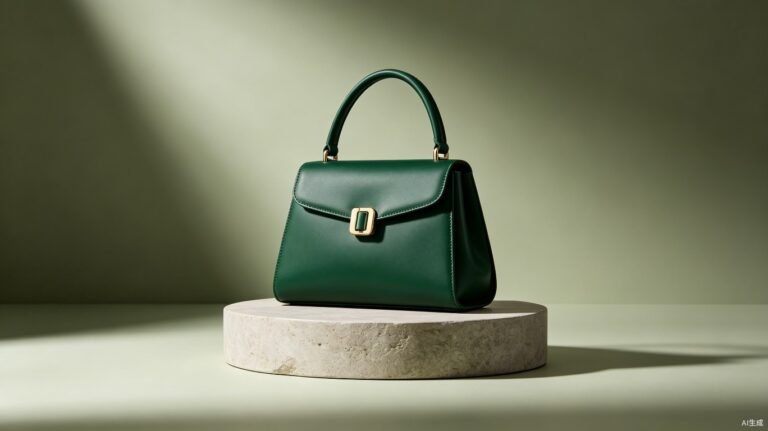
At a leather goods trade fair last spring, a boutique owner from Melbourne collected cards from three suppliers. All three claimed to be among the best leather bag companies in the hall. All three websites showed the same clean stitching photos and the same full-grain promise. Two of the three could not put a single claim in writing. The third sent test reports the same afternoon. That reply settled her shortlist, and it should settle yours too. The best leather bag companies are not the ones with the best photos. They are the ones that survive verification. Here are the seven checks that separate them.
How the Best Leather Bag Companies Compare
Every candidate looks identical on a screen. The differences only appear when you ask for proof. Run the same seven checks on every company before you shortlist one.
| Check | What the best companies show | What should stop you |
|---|---|---|
| 1. Material evidence | Coating chemistry named, test reports on request | “Premium quality” with no data |
| 2. Factory access | Video tour or visit of the production floor | Office photos only |
| 3. Sample workflow | Prototype, PPS, PSS stages in writing | One sample, no stages |
| 4. Stitch-level detail | SPI targets and zipper cycle tests quoted | “Just check it yourself” |
| 5. AQL tolerance | AQL 1.0 critical / 2.5 major in the contract | No documented sampling plan |
| 6. Third-party inspection | SGS or QIMA welcome before shipment | Inspection refused or delayed |
| 7. Payment structure | 30% deposit, 70% after final QC | 100% upfront |
Checks 1-2: Material Evidence and Factory Access
Start with the material itself. Ask what coats the hide, what bonds that coating to the backing, and which lab tested both. A serious company answers with peel strength numbers and abrasion data, not adjectives. This matters even more on synthetic lines, where the silicone vs PU leather difference decides whether the surface survives three seasons or thirty months. A company that cannot name its coating chemistry is selling a catalog, not a material.
Then ask to see where the bags are actually made. A video walk-through of the cutting and stitching floor takes ten minutes to arrange. Brokers send office photos and stock footage. The factory production process reveals whether cutting, stitching, and finishing happen under one roof with in-line checks, or whether your order disappears into a subcontractor you never vetted.

Material evidence starts at the roll: coating type, backing, and bonding must all be named before a single panel is cut.
Checks 3-4: Sample Discipline and Stitch-Level Detail
One perfect sample proves almost nothing about order 500. What predicts the bulk run is the workflow behind it. Sourcing data shows that a documented three-step sample process, from prototype to pre-production sample to pre-shipment sample, reduces defects by up to 85%. The best leather bag companies walk you through all three stages and log every correction. A company that ships one glossy sample and then jumps straight to production is asking you to fund its quality control.

Boutique customers judge a bag by its stitching before they read the price tag, so the sample must be inspected stitch by stitch.
Inspect the sample like an auditor. Count stitches per inch and require 8-10 SPI even on curves. Open and close every zipper twenty times with no jamming and no bubbles in the plating. Run a fingernail along the edge paint to check for lifting. These details decide how the bag reads in your fashion and sports applications six months later, when handles flex and corners take daily abuse.
Checks 5-6: AQL Tolerances and Third-Party Inspection
Ask each company to state its acceptance quality limit in writing. Professional programs use AQL 1.0 for critical defects and 2.5 for major defects on 500-unit lots, with an overall target below 2% defective units. Factories without a documented AQL plan fall back on 100% visual inspection, which means quality depends on whoever is standing at the table that day. The number itself matters less than the fact that the company can state one, defend one, and sign one.

In-line inspection at the production floor is what keeps batch 500 consistent with the approved sample.
Then offer to bring in a third party. SGS, QIMA, or BV inspection before shipment is standard practice for orders above 500 units, and the best leather bag companies welcome it. Hesitation here is a data point in itself. A supplier with clean records loses nothing by an outside inspection. One whose records would fail has every reason to stall, reschedule, or bill unreasonable fees to delay you.
Check 7: Payment Terms That Match the Risk
The final check is the one that protects your cash. Standard safe terms are a 30% deposit with the 70% balance paid only after final QC has passed and before shipment. Demand a defect tolerance clause, with 3% as the common ceiling, and name who pays for rework. A company demanding 100% upfront is asking you to carry all of its risk. Serious manufacturers hold their own working capital because their own defect rates stay low enough to predict.
The Verdict Comes After the Checks, Not the Brochure
Apply the seven checks and each refusal tells you something useful.
| If a company… | It is telling you… |
|---|---|
| Cannot name its coating chemistry | You are buying from a catalog, not a manufacturer |
| Fails 8-10 SPI on its own samples | Quality control exists in brochures only |
| Resists third-party inspection | Its records would not survive one |
| Demands 100% upfront | Its cash flow problem should not become yours |
The best leather bag companies are simply the ones with nothing to hide when you run all seven checks.
About TOPSUN
TOPSUN supplies full-silicone and premium synthetic leather to handbag and fashion brands in 30+ countries, covering the cutting, stitching, and edge-finish demands of bag programs.
Every order ships with SGS test reports, third-party inspection from SGS, BV, or TUV is welcome before shipment, staged payment terms are standard, and 100+ textures match Pantone or RAL colors batch after batch.
References
1. https://mvabag.com/how-to-find-a-reliable-leath… — Sample inspection checklist: 8-10 SPI on curves, zipper 20-cycle test; 30% deposit / 70% balance after FQC passed (2026)
2. https://szoneier.com/wholesale-leather-bag-sour… — Three-step sample workflow (prototype, PPS, PSS) cuts defects up to 85%; AQL 1.0 critical / 2.5 major on 500-unit lots; sub-2% defect target (2025)