Picture Boulevard Hilario Medina in León, Guanajuato, on a Tuesday morning. The Zona Piel district stretches ahead, hundreds of footwear and leather stalls within walking distance of each other. A buyer from a US furniture brand walks one aisle and touches a stack of hides. Then comes the question I heard for eight years on the export desk. Can a Mexico leather manufacturer actually run my program, or is this a boot town with good marketing?
The honest answer sits in the data. Guanajuato hosts 720 of Mexico’s 940 tanning and finishing businesses. The same state produces 132 million of the 165 million pairs of shoes made nationally each year. This article maps what the cluster really offers. Then it hands you the five checks I would run before signing any supplier there.
1. The Cluster Is Real: Where Mexico’s Leather Capacity Lives
Start with the map, because geography is the strategy. Official business registry data from May 2026 counts 940 tanning and finishing economic units in Mexico. Guanajuato holds 720 of them. Jalisco follows with 82, and Oaxaca with 23. León, the state capital of this trade, is formally promoted as the world capital of footwear. The numbers behind that title are concrete. Eight of every ten pairs of shoes produced in Mexico come from Guanajuato. The state also employs roughly 141,000 people across the leather-footwear chain.

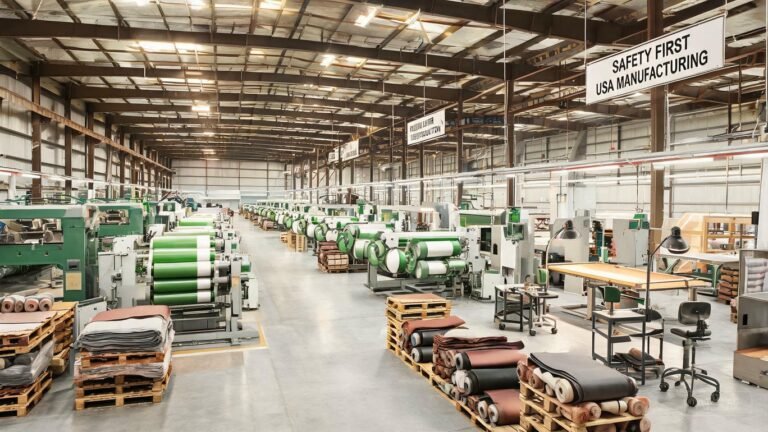
Cluster depth shows up on the floor: cutting, stitching, finishing, and inspection all sit within one industrial corridor.
The buyer list tells you the level too. State investment records show export brands like Frye, Steve Madden, Wolverine, and Zara producing in or sourcing from Guanajuato. Domestic retail giants appear on the same list. The region hosts ANPIC, described as the largest leather and footwear supplier fair in Latin America. A cluster with that customer mix has passed audits that many smaller origins never see.
What does that density mean for a buyer in practice? It means your tannery, your cut-and-sew plant, your hardware supplier, and your testing lab can sit within one industrial corridor. Sampling loops shrink from weeks to days. A problem found on Tuesday can be re-cut by Friday. It also means competition for capacity is real. The best workshops run full during peak season. Booking production windows early is part of the job, not an optional extra.
You can verify these numbers yourself in an afternoon. Data México, the official trade intelligence portal, publishes the registry counts by state and by industry group. State investment agencies publish their own employer and brand lists. Cross-checking a supplier’s claims against public data takes minutes, and it sets the tone for every conversation that follows. The same portal breaks down export values by product, so you can see what a supplier’s municipality actually ships.
2. What a Mexico Leather Manufacturer Makes Best
Strengths are specific, and knowing them saves months of search. Footwear and boots lead without question. Small leather goods, belts, and saddlery follow, backed by a deep artisan base in León’s Centro and El Coecillo workshops. Furniture upholstery exists but is thinner on the ground than shoe production. Plan your program around what the cluster does best, and the search gets shorter.
One structural fact matters for every category. Mexico imports raw bovine hides on a large scale, worth $3.6 billion in a recent year for León alone. In the same period it exported finished tanned hides worth $2.27 billion. The country adds value in between. That means a supplier’s hide source is a real question with real consequences. Mexican, US, or Brazilian origin each behaves differently in grain, thickness range, and lot-to-lot consistency.
| Category | Cluster Strength | Typical Program |
|---|---|---|
| Boots and footwear | Deepest in the country | Western, work, fashion |
| Small leather goods | Strong artisan base | Belts, wallets, saddlery |
| Tanned hides | Value-added export | Crust and finished hides |
| Coated upholstery | Thinner supply | Often sourced abroad |
For a sourcing team, that import structure suggests a practical question list. Ask which tannery supplies your hides, and ask for the country of origin on the lot paperwork. Imports flow in from several origins, and the mix shifts by price tier. None of that is a defect. It is simply a variable you want named in the contract. Hide origin drives the hand feel your customers will judge. So does the finishing chemistry applied on top of it.
3. The 5 Checks for Any Mexico Leather Manufacturer
Now the checklist. I ran variations of these five checks on every new supplier file, and they caught most problems before money moved. Each check takes one email or one call to start. None of them requires a factory visit on the first pass. Together they cover the four failure modes I saw most: bad hides, hidden capacity limits, loose labeling, and color drift.
| Check | What to Verify | Red Flag |
|---|---|---|
| 1. Hide source | Origin, tannery name, and lot traceability | Vague answers on raw material |
| 2. Capacity per article | Monthly output for your exact item | Total company size used as the answer |
| 3. Label honesty | Piel versus sintético stated clearly | Everything is called leather |
| 4. Export paperwork | Certificates of origin and USMCA claims | Customs experience limited to local sales |
| 5. Color consistency | Reorder matching method in writing | No batch records or kept standards |
Weight the checks by program type before you start. A footwear program lives or dies on check one and check two, because hides and stitch capacity set the ceiling. A private-label goods program should push check three hardest, since label claims travel with the product into retail. A furniture program should focus on check five. Color drift across a sofa and a loveseat is visible from across the room.

Check three in action: local buyers are told to look for piel on the label and sintético on the tag, and the same honesty test applies to export files.
Local buying guides in León give shoppers the same advice I give brands. Look for the word piel, which means real leather, and treat sintético as the honest label for synthetic stock. That vocabulary matters doubly in export. A material described as coated or vegan must arrive with test data that matches the description. Our silicone versus PU comparison shows the spec fields that separate coated materials which look alike on a pallet.
You can run most of these checks without leaving your desk. Send the spec sheet and ask the supplier to confirm each line in writing. Request a live video walk-through of the line that will cut your article. Ask for two references from brands shipping to your market. Then order counter-samples from a different production batch than the first one. If batch two matches batch one, the factory keeps real records. If it does not, you just saved yourself a very expensive reorder.
Keep every written answer in the supplier file, because the file outlives the people who wrote it.
4. Where Mexico Wins, and Where It Does Not
A fair assessment needs the trade-offs on the table. Mexico wins on proximity for North American buyers, with truck freight instead of ocean containers and shorter reorder loops. It wins on footwear craftsmanship depth and on duty advantages under regional trade rules. The state itself describes its labor pool as competitive in both wages and training. China still wins on coated upholstery scale, on coating chemistry breadth, and on price for high-volume roll goods.
Those are different products, and mature sourcing maps use both. For programs that need hydrolysis-resistant coated material at scale, the typical pattern is simple. Buyers pair a nearshore cut-and-sew partner with a specialized coating supplier. That is exactly the model our hydrolysis-resistant silicone leather program supports.
The freight math is worth one minute of arithmetic. A container from Asia to a US port adds four to six weeks on the water, plus customs and drayage. A truckload from León to Texas crosses the border in days. For a seasonal program with a fixed launch date, that difference changes how much safety stock you must carry. Faster loops let you order closer to demand and correct color or quantity between drops instead of after them.
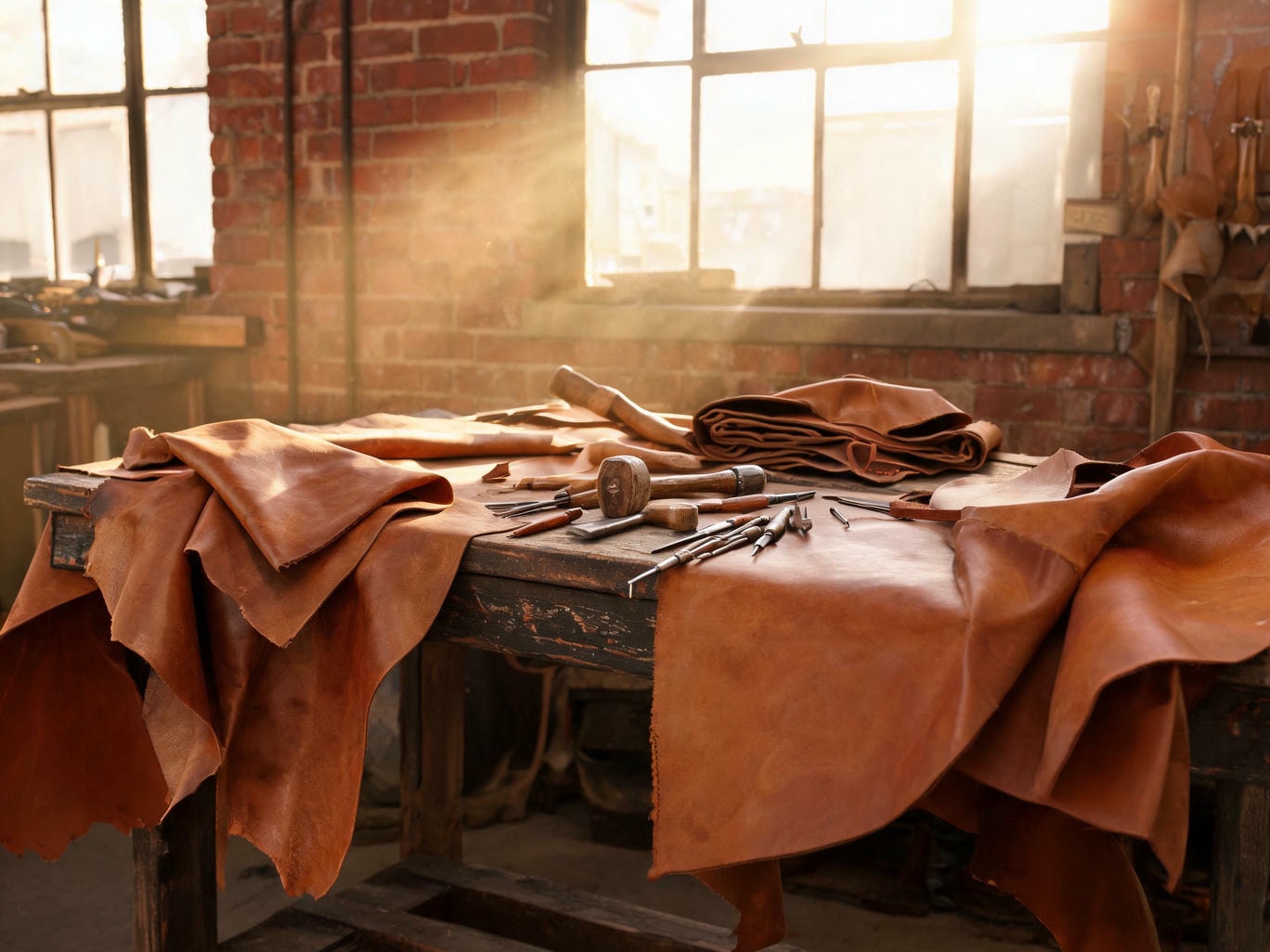
Two-origin sourcing in practice: nearshore finished goods on the line, specialized coated material shipped in to spec.
Export certification paperwork in motion: the same documents your Mexican supplier should produce without being asked twice.
The Export Manager’s Bottom Line
Run the five checks and the answer to the Zona Piel question becomes clear. A Mexico leather manufacturer is a strong choice for footwear, small leather goods, and programs that prize nearshore speed. The cluster has the tanneries, the labor, and the brand references to prove it. Treat coated upholstery differently and verify every material claim against a test report. Do that, and the region becomes a reliable pillar of a two-origin sourcing map instead of a gamble.
Request Export-Ready Leather Samples
Is Mexican leather good quality?
At the top of the cluster, yes. Boot makers in León supply brands like Frye and Wolverine. Buyers who visit the workshops describe fiber density that rivals any origin. Quality follows the checks, not the passport. Verify the hide source, the tannery, and the labeling, and the cluster delivers.
Why does Mexico import hides if it exports leather?
Because the value is added in processing. León imported $3.6 billion of raw bovine hides in a recent year. It exported $2.27 billion of tanned and finished hides. The country turns cheap raw material into finished value. That is the business model of a converting cluster, not a weakness. Ask any supplier where their hides originate, because that answer shapes consistency across your reorder cycles.
References
- 1. https://www.economia.gob.mx/datamexico/es/profi… — Official DENUE registry, May 2026: 940 leather tanning and finishing economic units in Mexico, with Guanajuato holding 720, Jalisco 82, and Oaxaca 23
- 2. https://invierte.guanajuato.gob.mx/cuero-y-calz… — 132 of 165 million national shoe pairs produced in Guanajuato (80%); León named world capital of footwear; export brands include Frye, Steve Madden, Wolverine, and Zara; ANPIC fair hosted in León
- 3. https://guanajuatoconnect.com/blog/best-leather… — Local buyer guide: piel means real leather and sintético marks synthetics; savings near the source come from cutting distribution, not lower quality; Zona Piel and Plaza del Zapato cluster hundreds of sellers