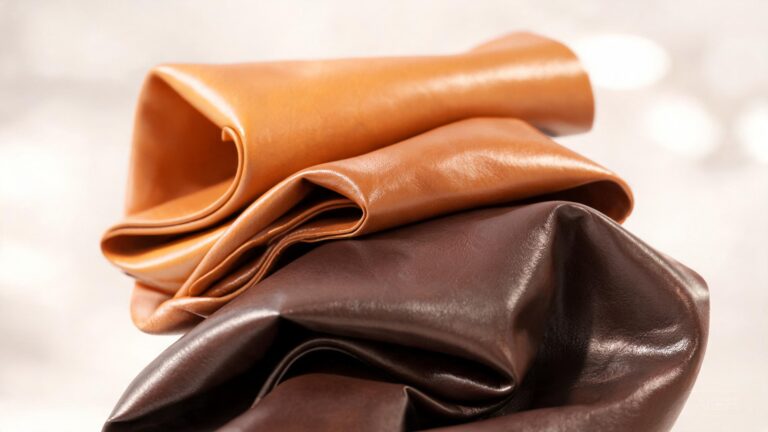
Why does the same color for textile production look right in October and wrong in March? A buyer approved one lab dip. The bulk run arrived two shades cooler. Nobody touched the formula. The drift came from the dye batch, the base material, and the light in the room where the roll was judged.
Our inspection team answers that question with numbers, not opinions. Color failures rarely trace back to one bad dye lot. They trace back to approvals made without the four checks below.
Two Rolls, One Pantone Code: Where Color for Textile Goes Wrong
The chemistry itself is rarely the villain. Batch-to-batch color consistency problems concentrate at three handover points instead. Dye lots vary between production runs. Base materials take up color at different rates. And metamerism splits the game: two samples match under shop light, then drift apart under daylight. A roll that passes in the dye house can still fail in the buyer’s showroom.
Our QC bench therefore judges color the way your customer will: multi-light, physical swatch, roll by roll.

Every lot starts at the swatch rack: physical references, not screen colors.
Piece-Dyed or Solution-Built: Two Paths to Color for Textile
Every fabric gets its color one of two ways, and the choice decides how the lot ages. Piece-dyed fabric is woven first and dyed after, so the color coats the yarn surface. Solution-dyed fabric mixes pigment into the liquid polymer before extrusion, locking color into the fiber core. The performance gap shows up fast outdoors.
| Feature | Piece-Dyed | Solution-Dyed |
|---|---|---|
| Light fastness (ISO 105-B02 blue wool) | Level 1-2, visible fade within months of sun | Level 7-8, color survives years outdoors |
| Wash and cleaning fastness | Good, surface dye slowly lifts | Excellent, pigment cannot wash out |
| Cost position | Lower, flexible between lots | Higher, best for long runs |
Coated materials follow the solution-built logic. In silicone-coated textile production, pigment is compounded into the coating itself, so color sits in the material body rather than on the surface. Custom matches run to Pantone and RAL references. The shade cannot be wiped off, because there is no separate dye layer to lose.

Custom color starts at the mixing bench.
From Pantone code to production roll: the custom color workflow.
The Four Numbers Every Fabric QC Check Needs
Any serious inspection bench runs the same four measurements. Delta E is the spectrophotometer’s color distance reading. A commercial match holds at or under 1.0 under D65 light. Grey scale grades for wash and rubbing fastness follow the ISO 105 family, on a scale of 1 to 5.
Light fastness is read on the blue wool scale or in UV test hours. Chemical fastness is simpler: wipe the sample with alcohol and check the shade. For healthcare seating disinfected daily, that fourth number matters as much as the first, a point we cover in our medical and healthcare applications.
On our production floor, a lot ships only when all four numbers clear. Grade 4-5 fastness, in-spec Delta E against the approved swatch, 1,500+ hours of UV endurance, and alcohol-safe cleaning at Level 5 stain performance. Three out of four is a conversation, not a release.

Lot approval happens against the physical palette, under controlled light.
Get a Pantone Color Match Review From Our QC Team
Color That Ships, Lot After Lot
Consistent color for textile lots is a measurement discipline, not a lucky dye house. Approve on the real substrate. Track Delta E on every batch. Demand fastness grades as seriously as the shade. Builders who specify that discipline, from upholstery to microfiber-based silicone leather, stop relitigating color at every delivery. The roll either matches the numbers, or it does not ship.
Request Color Swatches Matched to Your Pantone Code
What Delta E value is acceptable for textile production lots?
A commercial match holds Delta E at or below 1.0 under D65 lighting. Procurement guides add a second tolerance: keep variance under 1.5 across D65, TL84, and A light sources, because lab matches can split under store lighting. Verify every lot with a spectrophotometer, not the naked eye.
Is solution-dyed fabric always the better choice?
For sun exposure and aggressive cleaning, yes: embedded pigment survives where surface dye fades. Coated silicone materials sidestep the trade-off with pigment built into the coating body at production scale.
About TOPSUN
TOPSUN supplies silicone-coated fabrics with Pantone and RAL custom color matching for medical, furniture, and consumer product brands in 30+ countries.
Spectrophotometer Delta E control on every lot, grade 4-5 fastness, and SGS reports with each order.
References
- https://www.grandviewresearch.com/industry-anal… — textile dyes and pigments market $27.9B in 2025, 5.2% CAGR to 2033
- https://patiofurnituresco.com/solution-dyed-vs-… — solution-dyed fibers reach grade 7-8 on ISO 105-B02 vs level 1-2 piece-dyed
- https://www.apparellots.com/blogs/custom-appare… — spectrophotometric Delta-E tracking under 1.5 per lot; approve strike-offs on the production substrate