A fabric that misses its traffic class sends buyers shopping again within three years. The rub-count ladder starts at 15,000 double rubs for quiet homes and climbs past 50,000 for contract spaces. Cleaning codes decide whether a spill becomes a repair bill. Those three numbers shape every decision about your fabrics, and most specification meetings never mention two of them.
This guide turns fabric selection into five checks. Each one maps a real user, a test number, and a verification step. Run them in order and the wrong-order cycle ends before the first purchase order.
The Three-Way Match That Decides Your Fabrics
Upholstery guides keep returning to one frame: a fabric must match how hard the space is used, carry a durability rating that fits that use, and accept a cleaning code your team can live with. A fabric fabric retailer states it plainly. Get that match wrong and you will be shopping again in three years.
The frame matters because the three demands pull in different directions. The softest hand feel rarely carries the highest rub count. The most stain-proof surface may reject the solvent your cleaning crew prefers. Interior design teaching compresses the same conflict into three constraints: aesthetics, practicality, and budget. Your fabrics live at the point where all three stop competing, and that point is found with checks, not with guesswork.
Checks 1 and 2: Traffic Class and the Double Rub Count
Start with the room, not the sample book. The double rub count for upholstery only means something once the traffic class is fixed. Home decor testing guides put low-traffic residential woven upholstery near 15,000 double rubs. Busy family rooms land closer to 30,000. Pet households and commercial spaces look for 50,000 or more before the conversation continues.
Our collection tiers follow the same logic in Martindale cycles. Classic starts at 20,000 for light programs. Designer reaches 50,000. Rigid Substrate holds 100,000, and High Performance clears 200,000 under ISO 12947. In our sample reviews, buyers who state their traffic class first select the right tier in minutes; buyers who start from color take a full afternoon and often reorder.

Traffic class first, then the tier: the fastest filter in the whole selection.
| Your Scenario | Traffic Class | Spec to Demand |
|---|---|---|
| Formal lounge, light use | Low residential | 15,000+ double rubs |
| Family room, kids and pets | Heavy residential | 30,000-50,000, claw-safe surface |
| Cafe or waiting area | Contract | 50,000+ and disinfectant-safe |
| 24-hour transit or clinic | Extreme | 200,000+ Martindale, hydrolysis-tested |
Check 3: Weave Tightness Outranks Softness
Sofa guides for dog and cat owners converge on one finding: tight weaves win. Loose linen and textured chenille give claws a loop to catch. Tight microfiber and dense plain weaves let claws slide off, release hair, and wipe clean. Natural fibers bring breathability, while polyester, nylon, and olefin carry the stain, sun, and heavy-use ratings.
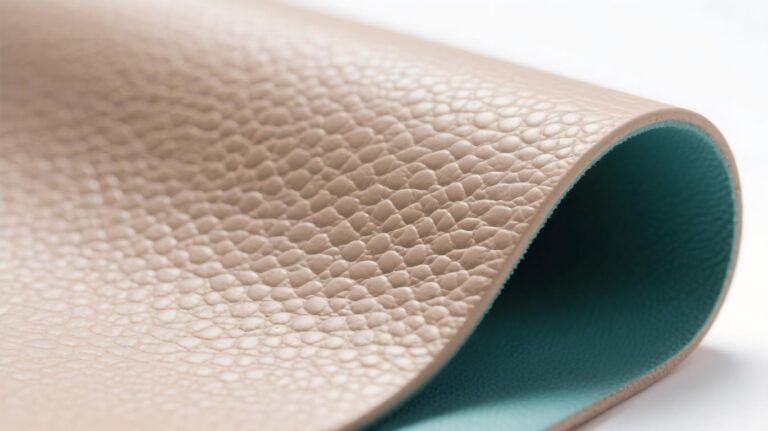
Coated surfaces change this check from defense to design. A cured silicone skin has no loops to snag and no pile to crush. In our scratch testing, pet claws leave no permanent trace on the surface, which is why furniture brands serving young families keep specifying it. The silicone PET leather line was built around exactly this brief.

Young-family programs: the sample must survive claws, crayons, and disinfectant wipes in the same afternoon.
Claw against cured silicone: the weave-tightness check, settled on camera.
Your Fabrics on the Sample Bench: Checks 4 and 5
Check 4 is the cleaning code. Spec sheets print W, S, WS, or X, and each letter limits the chemistry your crew can use. A fabric that rejects water-based cleaners in a facility that only stocks water-based cleaners is a scheduled replacement, whatever its rub count says. Our surfaces carry a Level 5 stain rating and tolerate alcohol-based disinfection, which keeps the code from narrowing your hygiene protocol.

Bead test on the bench: the cleaning check, verified before shipment.
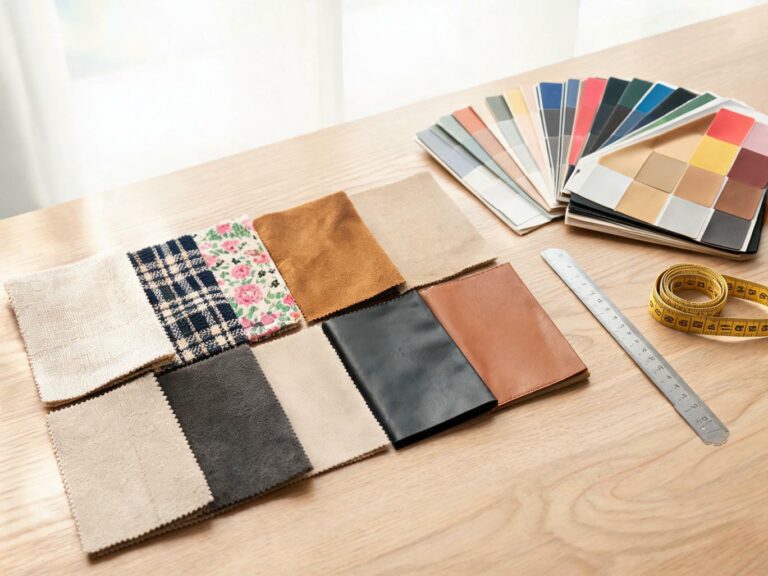
Check 5 is the physical swatch. Ordering guides repeat it for a reason: a screen preview hides texture, weight, and how light moves across the grain. Test the swatch the way the room will use it. Spill coffee on it. Scrub it with your actual cleaner. Families evaluating child-safe materials can start from the baby and kids applications page, and buyers weighing chemistry can compare the eco-friendly silicone leather options before samples ship.
Five checks, one outcome: your fabrics are matched to the room before the order is placed. Traffic class sets the tier, weave and surface answer the claws, cleaning code protects the protocol, and the swatch confirms all of it in your hands. Run the checks in order and the sample bench, not the returns queue, becomes the last stop. Send us your traffic profile and cleaning routine, and a matched sample set ships within days.
Frequently Asked Questions
What double rub count does a family sofa need?
A calm living room works near 15,000 double rubs. A family room with kids or pets should start at 30,000, and pet-heavy households do better at 50,000 with a claw-safe surface.
What do cleaning codes W, S, and WS mean?
W accepts water-based cleaners, S requires solvents, WS takes both, and X means vacuum only. Match the code to the chemicals your team actually stocks before you commit.
Why do pet guides steer owners away from velvet and boucle?
Loose piles and loops catch claws and trap hair. Tight weaves and coated surfaces give claws nothing to hook, so hair releases and the surface wipes clean.
References: https://fabric-fabric.com/blog/how-to-select-so… | https://au.koala.com/blogs/sleep/sofa-fabric-guide | https://sewingtrip.com/fabric-types-for-home-de…