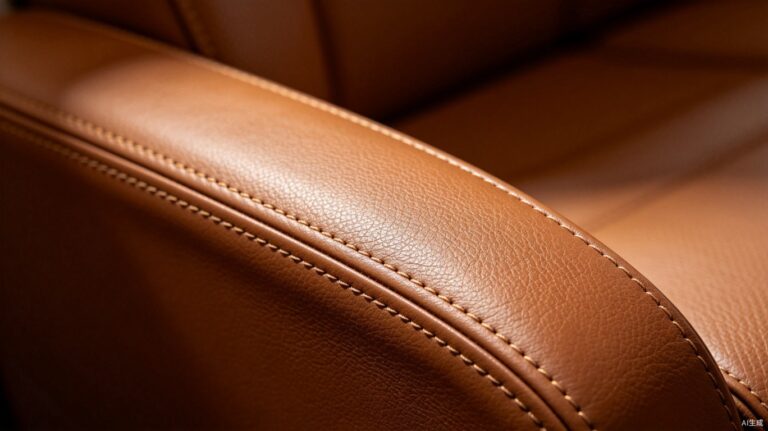
A mid-sized clinic we supported re-covered the same forty lobby chairs three times in eight years. The first cover faded along the armrests by year two. The second cracked where cleaning staff applied disinfectant every shift. The third was still serviceable when the program switched specification. Nobody in that project had made a bad purchase in isolation. Each cover was the cheapest quote on the day it was signed, and none of the quotes asked what a durable textile should cost per year of service.
This is the accounting gap behind the phrase durable textile. The sticker price records one invoice. It never records the re-cover labor, the downtime, or the cleaning chemistry that quietly destroys a surface. This analysis walks through the full ten-year cost line by line, using contract test thresholds as the baseline.
The Replacement Timeline Nobody Budgets For
Ask how often commercial upholstery should be replaced and most buyers answer with a guess. The honest answer is that replacement intervals are set by the weakest property of the material, not by its average one. A cover can hold its color, resist abrasion, and still fail early because the cleaning protocol stripped its coating.
In seating programs we review, the failure pattern repeats. Year one to two shows color drift on the contact zones. Year three to five brings surface shine where friction has polished the finish flat. Year six to eight delivers structural failure: seam burst, foam exposed, coating flaking at the flex points. Each stage triggers a quote cycle, an installation crew, and a waiting room taken out of service.
The clinic case above spent three full re-cover budgets inside one decade. Its procurement records showed the initial fabric cost as a single line. The labor, disposal, and lost seating capacity never appeared on the same page. That missing page is where a total cost of ownership view begins.
What Makes a Durable Textile Pass Contract Testing
What makes fabric durable is not one property. Fiber strength, yarn twist, weave density, and surface finishing all contribute. Contract buyers translate those properties into two lab numbers: Martindale cycles in Europe and Asia, and Wyzenbeek double rubs in North America.
The Association for Contract Textiles sets voluntary thresholds that most specifiers treat as minimums. Low-traffic woven upholstery must reach 15,000 double rubs or 20,000 Martindale cycles. High-traffic public spaces require 30,000 double rubs or 40,000 Martindale cycles. Australian standards draw the same line from the other side: 20,000 Martindale counts as heavy-duty residential, and anything above 30,000 earns a commercial rating.
Two cautions apply when reading these numbers. First, ACT’s own studies show results on identical fabric structures can vary by 60 percent or more between test runs. Second, both test methods stop counting at 100,000, because the industry agrees that results beyond that point do not signal a longer service life. A spec sheet advertising half a million rubs is selling a number, not a lifecycle.
Yarn choice explains much of the remaining spread. Denier measures the weight in grams of 9,000 meters of fiber. A 1,000-denier Cordura yarn is far thicker than the 20-denier filaments in a sheer lining. Within the same denier grade, nylon outwears polyester. Coated constructions bypass the comparison entirely by moving the wear surface into an elastomer layer.

Abrasion bench: the cycle counter stops at 100,000 by convention, so spec sheets above that line describe marketing, not testing.
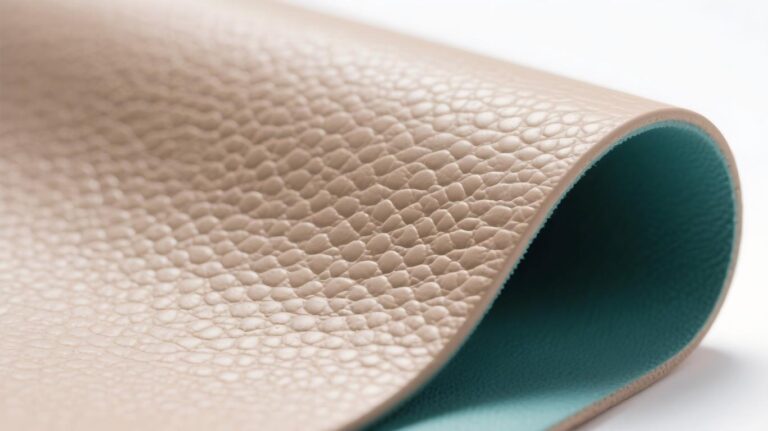
For buyers who want abrasion headroom without paying premium-brand prices, coated constructions are the practical route. Our silicone microfiber leather pairs a dense microfiber base with a cured silicone skin, which moves the wear surface away from the yarns entirely.
Durable Textile TCO Math, Line by Line
Fabric total cost of ownership reduces to one equation: purchase price, multiplied by the number of times you buy it, plus the labor and downtime attached to every replacement. The table below models a forty-seat waiting area over ten years, using the failure timeline above as the schedule for the budget option.
| Cost Line Item | Budget Vinyl Cover | Contract-Grade Silicone-Coated |
|---|---|---|
| Upfront material cost | Lowest quote on the day | Roughly 2-3x the budget quote |
| Expected service life | 2-3 years under daily traffic | 10-15 years; PU fails at 3-5 |
| Re-cover rounds in 10 years | 3-4, each with labor and downtime | 0-1 |
| Cleaning chemistry | Harsh solvents accelerate cracking | Alcohol-safe disinfection, Level 5 stain rating |
| Ten-year total | Often 2-3x the original invoice | One purchase plus routine care |
A real price anchor shows how wide the market spreads. Maharam’s Apt, a polyurethane-silicone contract textile, lists at $82.50 per yard with a 500,000 double rub rating. Premium brands earn that premium through design and distribution as much as through polymer chemistry. A durable textile does not need a designer label to clear the contract thresholds; it needs verified test data and a base fabric that survives the cleaning protocol.
Cleaning deserves its own line because it is the cost most models forget. A cover that tolerates hospital-grade disinfectant keeps its surface through every shift. A cover that swells or cracks under alcohol forces the facility to choose between hygiene and appearance. Our maintenance guidance covers that trade-off in detail on the cleaning and maintenance page, where approved agents are listed by collection.
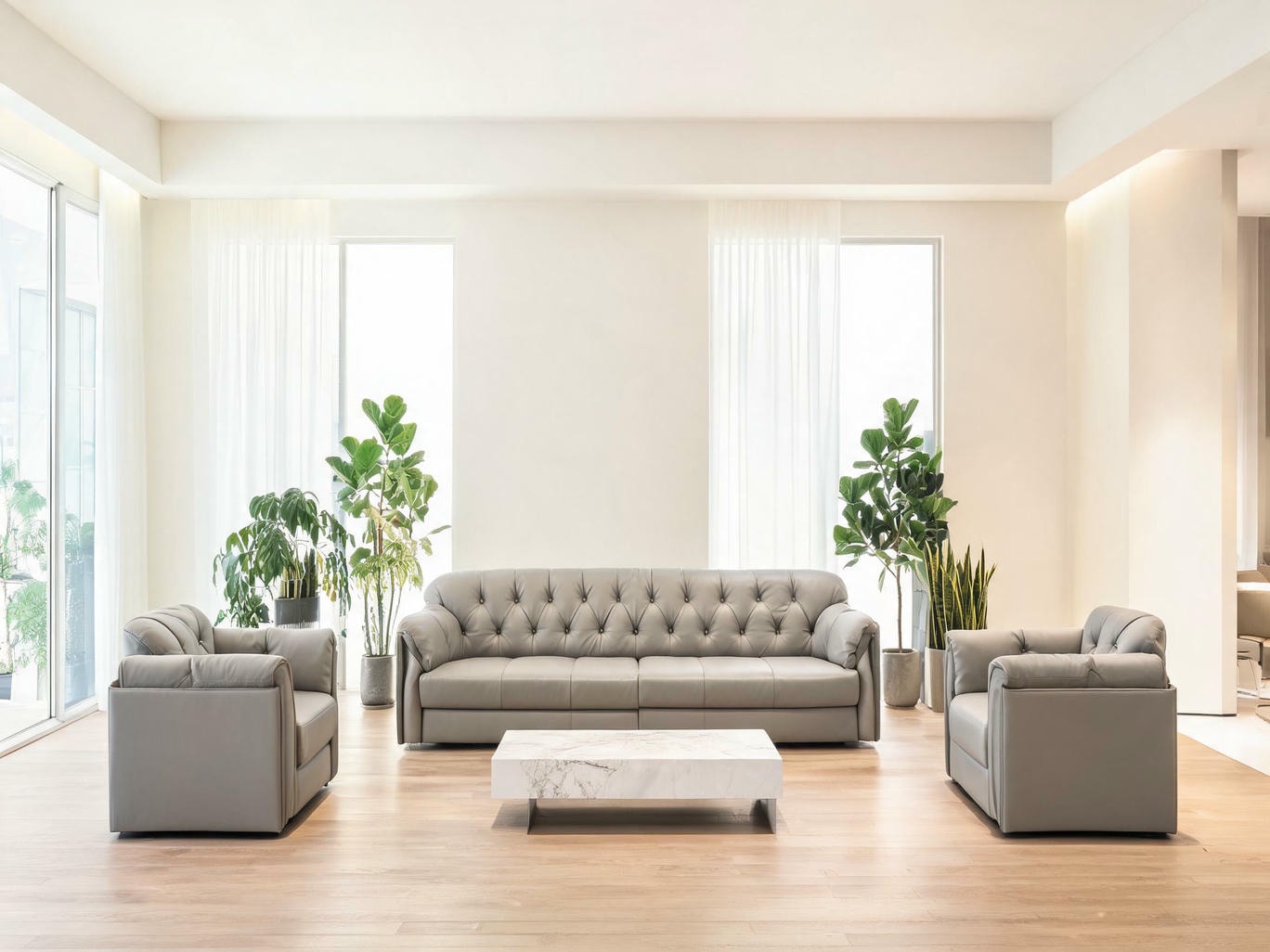
Service life is where TCO is won: one installation that never needs a re-cover crew.
Where the savings actually come from: fewer replacement cycles, not a lower first quote.
Order the TCO Sample Comparison Set
When the Waiting Room Never Closes
ACT reserves its highest-abrasion guidance for spaces that run around the clock: transportation terminals, casinos, and 24-hour healthcare emergency rooms. A clinic waiting area is not far behind. Healthcare seating fabric carries demands that ordinary contract work never sees, because the same surface must survive abrasion, disinfectant, and body oils every single day.
In our hydrolysis testing, silicone-coated material holds through 14 weeks in an 85°C, 85% relative humidity chamber with no delamination or strength loss. In our Martindale testing, the High Performance line clears 200,000 cycles under ISO 12947. Those numbers matter to a healthcare buyer for one reason: they describe a surface that outlives the furniture frame, which converts the re-cover line in the TCO table to zero.

Scratch bench: mobility aids and equipment edges are the unseen abrasion source in clinical seating.
The application requirements for these environments, from biocompatible contact surfaces to disinfectant-safe finishes, are mapped on our medical and healthcare applications page.
The Five-Step TCO Check Before You Sign
Run this checklist on any durable textile quote before it reaches a purchase order. It takes one meeting and it prevents the three-cover decade.
1. Verify the test method, not just the number. Martindale and Wyzenbeek results do not correlate, and ACT warns against comparing them. Confirm which machine produced the figure.
2. Match the threshold to real traffic. 30,000 double rubs covers single-shift corporate and hotel rooms. A 24-hour department needs a higher class with documented headroom.
3. Demand cleaning-compatibility data. Ask which disinfectants the surface tolerates at what concentration. If the answer is vague, the replacement clock is already running.
4. Price the re-cover, not the fabric. Add labor, disposal, and lost seating capacity for one replacement cycle. Multiply by the service-life gap.
5. Ask for per-order test reports. Every TOPSUN order ships with SGS reports, and third-party inspection from SGS, BV, or TÜV is welcome. A durable textile is a claim until a lab countersigns it.
The clinic in our opening story did not lack budget; it lacked a lifecycle view. A durable textile earns its premium by deleting whole line items from the ten-year ledger, and that deletion is visible before the first purchase order if you check the five points above. When the numbers on your side do not close the case, send us the traffic profile and cleaning protocol, and our spec team will return a per-seat cost comparison built on verified test data.
About TOPSUN
TOPSUN manufactures silicone-coated durable textile for healthcare, contract furniture, and transport seating programs, supplying buyers in 30+ countries with a 500,000 m monthly capacity and 500 m minimum order.
Every order ships with SGS test reports covering Martindale abrasion, hydrolysis aging, and disinfectant compatibility, so TCO claims arrive countersigned rather than asserted.
Frequently Asked Questions
Is 30,000 double rubs enough for a clinic waiting room?
It meets ACT’s high-traffic threshold for single-shift spaces such as hotel rooms and conference areas. A 24-hour healthcare department sees heavier, disinfectant-driven wear, so specify above that line and verify cleaning compatibility in writing.
How do I calculate fabric cost per year of service?
Divide the installed price by expected service years, then add one re-cover cycle of labor and downtime spread across the same period. The material with the higher quote frequently wins on that per-year figure.
Does a higher Martindale rating always mean a longer life?
No. Test houses stop counting at 100,000 cycles because results beyond that point show no added service life, and runs on identical fabrics can vary by 60 percent. Treat abrasion as one input alongside cleaning tolerance and hydrolysis data.
References: https://contracttextiles.org/wp-content/uploads… | https://manufacturer.jamesdunloptextiles.com/jo… | https://www.maharam.com/products/apt/colors/009…