Silicone fabric is any textile substrate coated or laminated with silicone polymer — a material whose fundamental chemistry differs from every other synthetic fabric coating on the market. The difference comes down to one bond: Si-O versus C-C. The siloxane (Si-O-Si) backbone in silicone has a higher intermolecular binding energy than the carbon-carbon bonds in polyurethane, PVC, and acrylic coatings. This single molecular difference produces a cascade of performance advantages: thermal stability from -40°C to 250°C, inherent UV resistance, hydrolysis immunity, and 95% water repellency. Here’s what B2B engineers need to know when specifying silicone fabric versus conventional coated textiles.
The silicone coated fabric market serves applications ranging from outdoor gear to industrial thermal barriers, with continuous temperature ratings up to 260°C and cold-weather flexibility that PU cannot match. For B2B buyers, understanding the property matrix isn’t optional — it’s the difference between specifying a material that lasts 10 years and one that fails in 3.
Request Silicone Fabric Samples

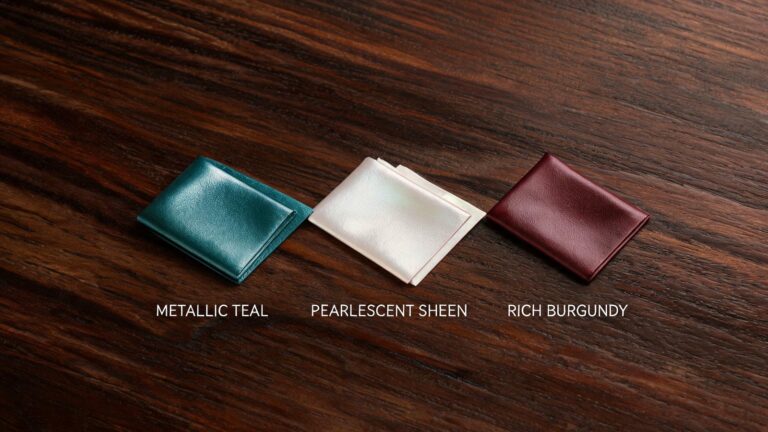
Surface texture closeup — the silicone coating creates a non-pous, hydrophobic barrier that repels liquids and resists staining
Silicone Fabric Chemistry: Why Si-O Beats C-C
The performance gap between silicone fabric and PU-coated fabric originates at the molecular level. Polyurethane coatings rely on carbon-carbon (C-C) and carbon-oxygen (C-O) bonds — the same bond types found in all organic polymers. These bonds are susceptible to UV cleavage, oxidative degradation, and hydrolytic attack. Silicone polymers use a siloxane backbone (Si-O-Si) with bond energies approximately 30% higher than C-C bonds, making them inherently resistant to the degradation pathways that destroy organic coatings.
This isn’t a formulation improvement — it’s a fundamental chemistry difference. You can’t make PU “more UV-stable” by adding stabilizers; the C-C backbone will still degrade, just more slowly. Silicone’s UV stability is intrinsic to its molecular structure. The same applies to hydrolysis: water molecules cannot cleave Si-O bonds under normal environmental conditions. This is why silicone fabric maintains its properties for 10+ years while PU-coated fabric degrades in 3–5.
| Property | Silicone Fabric | PU-Coated Fabric | PVC-Coated Fabric |
|---|---|---|---|
| Backbone Chemistry | Si-O-Si (siloxane) | C-C-C (urethane) | C-C-Cl (vinyl chloride) |
| Temperature Range | -40°C to 250°C | -20°C to 80°C | -10°C to 60°C |
| UV Resistance | Excellent (inherent) | Moderate — degrades | Poor — embrittles |
| Hydrolysis | Immune | Fails 3–7 years | Moderate |
| Water Repellency | 95% | 70–80% | 60–70% |
| Cold Flexibility | Excellent (-40°C) | Micro-cracking risk | Brittle — cracks |
| Service Life | 10+ years | 3–5 years | 2–3 years |
| VOC Emission | Zero | Contains solvents | Contains plasticizers |

Lamination line — solvent-free dry coating process applies silicone polymer to fabric substrate without DMF or VOC emissions
6 Performance Advantages of Silicone Fabric Over PU
Beyond the chemistry, silicone fabric delivers six measurable engineering advantages that matter in real-world applications:
1. Thermal Stability: -40°C to 250°C
Silicone fabric maintains flexibility and structural integrity across a 290°C temperature range. PU-coated fabric degrades above 80°C — the urethane bonds begin breaking down, causing softening, then embrittlement. For applications near heat sources (engine compartments, industrial ovens, kitchen equipment), only silicone fabric survives long-term. At the cold extreme, PU becomes rigid and micro-cracks below -20°C; silicone remains elastomeric at -40°C.
2. Inherent UV Stability (No Additives Needed)
Silicone’s Si-O backbone absorbs UV radiation without bond cleavage. PU requires UV stabilizers (benzotriazoles, HALS) that deplete over time — once the stabilizer package is consumed, the polymer degrades rapidly. Silicone fabric shows no degradation after 1,000+ hours of accelerated UV testing. PU-coated fabric typically shows surface crazing and tensile loss after 500–1,000 hours.
3. Hydrolysis Immunity
Water cannot cleave Si-O bonds under normal environmental conditions. This means silicone fabric won’t degrade from humidity, rain, or moisture exposure — ever. PU’s primary failure mode is hydrolytic degradation of ester bonds, which causes 70% of premature failures in humid climates. Hydrolysis-resistant PU formulations (polycarbonate diol-based) exist but cost 40–60% more and still eventually degrade.
4. Tear Strength Preservation
Unlike PU coatings that embed within fabric yarns and lock them in place (reducing tear propagation resistance), silicone coatings sit on the surface without penetrating the yarn structure. This preserves the fabric’s inherent tear strength — critical for applications like tents, tarpaulins, and architectural membranes where tear propagation causes catastrophic failure.
5. Chemical Inertness
Silicone fabric resists oils, solvents, diluted acids, and bases better than PU. It’s compatible with bleach, alcohol disinfectants, and hospital-grade cleaning chemicals without surface degradation. This makes it ideal for medical, food-processing, and hygienic applications where chemical cleaning is frequent and aggressive.
6. Zero VOC Emissions
TOPSUN’s silicone fabric is produced through a solvent-free dry coating process that emits zero VOCs during manufacturing and throughout service life. PU coating processes use DMF (dimethylformamide) as a solvent — traces remain in the finished fabric and off-gas for months. For enclosed-environment applications (automotive interiors, medical facilities, indoor furniture), VOC compliance is increasingly mandated by regulation.
The Failure Mode Comparison: Silicone vs PU
Understanding silicone vs PU vs PVC requires looking at how each material actually fails. The failure modes determine maintenance schedules, warranty exposure, and replacement cycles:
| Stress Factor | PU-Coated Fabric | Silicone Fabric |
|---|---|---|
| Primary failure mode | Hydrolysis (chemical breakdown) | Adhesion/bonding (rare) |
| Cold weather (-20°C) | Micro-cracking | Excellent flexibility |
| UV exposure (1,000h) | Moderate to high degradation | Low (inherent stability) |
| Humid environment | Fails in 2–3 years (tropical) | No effect |
| Chemical cleaning | Surface degradation | Bleach-safe, alcohol-compatible |
| Repairability | Low — requires full patch | Moderate — can be re-treated |

Flex testing — silicone maintains elastomeric properties across 100,000+ flex cycles while PU micro-cracks after 30,000
Silicone Fabric Applications: Where Si-O Chemistry Wins
TOPSUN manufactures silicone fabric across multiple product lines, each engineered for specific application requirements. The common thread: every application benefits from the Si-O backbone’s inherent stability where organic coatings fail.
| Application | Key Requirement | Why Silicone Wins | Thickness |
|---|---|---|---|
| Automotive interiors | Heat + UV + VOC compliance | 250°C stability, zero VOC, VDA 277 compliant | 0.5–1.2 mm |
| Furniture upholstery | Abrasion + cleaning resistance | 200,000+ Martindale, bleach-safe | 0.8–2.0 mm |
| Medical surfaces | Biocompatibility + sterilization | ISO 10993-5, EtO/Gamma sterilizable | 0.5–1.5 mm |
| Marine/outdoor | Salt spray + UV + humidity | 1,000+ hours salt spray, hydrolysis-proof | 0.8–1.5 mm |
| Baby/children’s products | Non-toxic + EN 71 safety | FDA food-contact, hypoallergenic | 0.5–1.0 mm |
| 3C electronics | Thin + tactile + durable | 0.23 mm ultra-thin available | 0.23–0.8 mm |
About TOPSUN: TOPSUN manufactures silicone fabric through a solvent-free dry coating process that applies medical-grade silicone polymer to textile substrates. Our fabric achieves 200,000+ Martindale abrasion cycles, 100,000+ flex cycles, -40°C to 250°C thermal stability, 1,000+ hours UV resistance, and zero VOC emissions (ISO 16000-6: ≤ 10 μg/m³). Thicknesses from 0.23–2.0 mm, 100+ textures, unlimited Pantone-matched colors (Delta E ≤ 1.0). Certifications: ISO 10993-5, REACH, FDA 21 CFR 177.2600, EN 13773 Class 4, EN 71, FMVSS 302. Production capacity: 500,000+ m/month. MOQ: 500 meters. Lead time: 7–15 days. Free A4 swatches worldwide via DHL/FedEx.
Silicone fabric properties overview — thermal stability, UV resistance, and hydrolysis immunity in one material
Request Free Samples
Talk to Our Engineers
Download Technical Data Sheet
Frequently Asked Questions
What is silicone fabric made of?
Silicone fabric consists of a textile substrate (polyester, cotton, or blended fabric) coated or laminated with silicone polymer. The silicone coating uses a siloxane (Si-O-Si) backbone — the same chemistry used in medical implants and outdoor sealants — which provides inherent thermal stability, UV resistance, and hydrolysis immunity that organic polymer coatings (PU, PVC, acrylic) cannot achieve.
Is silicone fabric waterproof?
Silicone fabric repels up to 95% of water on contact. The non-porous silicone surface is hydrophobic — water beads and rolls off rather than penetrating the coating. Unlike PU-coated fabric, which can absorb moisture through micro-pores and degrade over time, silicone fabric maintains its water repellency indefinitely because the hydrophobic property is intrinsic to the Si-O molecular structure, not a surface treatment that wears off.
How does silicone fabric compare to PU-coated fabric?
Silicone fabric outperforms PU-coated fabric in thermal stability (-40°C to 250°C vs -20°C to 80°C), UV resistance (inherent vs additive-dependent), hydrolysis resistance (immune vs fails in 3–7 years), cold-weather flexibility (elastomeric at -40°C vs micro-cracking), and VOC emissions (zero vs solvent-based). PU-coated fabric may offer slightly higher initial abrasion resistance at equivalent coat weights, but silicone fabric’s 200,000+ Martindale cycles exceed most PU specifications while maintaining 3–5× longer service life.
What temperature can silicone fabric withstand?
TOPSUN’s silicone fabric withstands continuous temperatures from -40°C to 250°C. Specialized formulations can tolerate brief exposure up to 300°C. At the cold extreme, the material remains flexible and elastomeric at -40°C without cracking or becoming brittle. This 290°C operating range makes silicone fabric suitable for applications from Arctic outdoor gear to engine compartment thermal barriers.