A boutique furniture brand visited us last spring with a Pantone chip and a hand sketch on their phone. Six weeks later, 600 meters of their own embossed silicone leather came off our coating line in exactly that shade. Most buyers never see the work it takes to design your fabric from sketch to shipment.
That process is what people usually mean when they say design your fabric. This article walks through it from the supplier’s side: the six specs to lock down first, the cost and MOQ reality, and how long each step actually takes.
What “Design Your Fabric” Really Means in a Leather Factory
Designing fabric at a silicone leather plant is not printing a pattern onto a textile roll. You are specifying a material system: the polymer coating, the embossed surface, the backing substrate, and the performance targets. Every one of those choices is made before the first meter is coated.
In our custom fabric design process, the briefs that move fastest share one habit. The buyer arrives with decisions already made on paper, so the lab only has to verify, not guess. The six specs below are that paper.

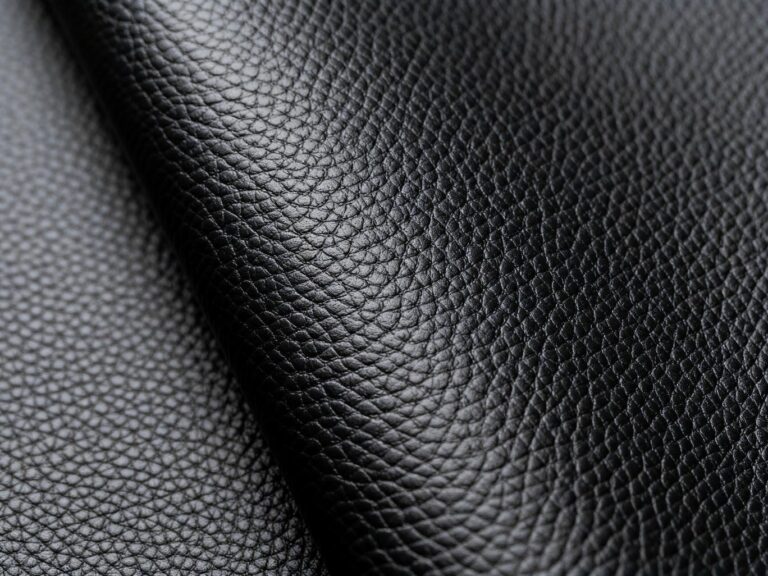
Custom embossing starts from an existing grain library or a customer drawing turned into a release-paper pattern.
Six Specs to Set Before You Design Your Fabric Sample
Bring these to the first conversation and the sample request becomes a formality:
- Color reference: a Pantone TCX or RAL code beats a photo every time. Pantone color matching from a physical chip is how the lab reproduces the shade, not the screen.
- Surface texture: pick from 100+ existing embossed grains, or supply artwork for a custom release-paper pattern
- Thickness: 0.23mm for 3C accessories up to 3.0mm for rigid substrate applications
- Backing: woven fabric, microfiber, or rigid substrate, chosen by how the material will be stretched and sewn
- Performance floor: target Martindale cycles, flame rating, and chemical resistance written as numbers
- Meterage: expected first order and annual volume, which the factory uses to plan color development
How a pattern goes from artwork to release paper to coated silicone leather.

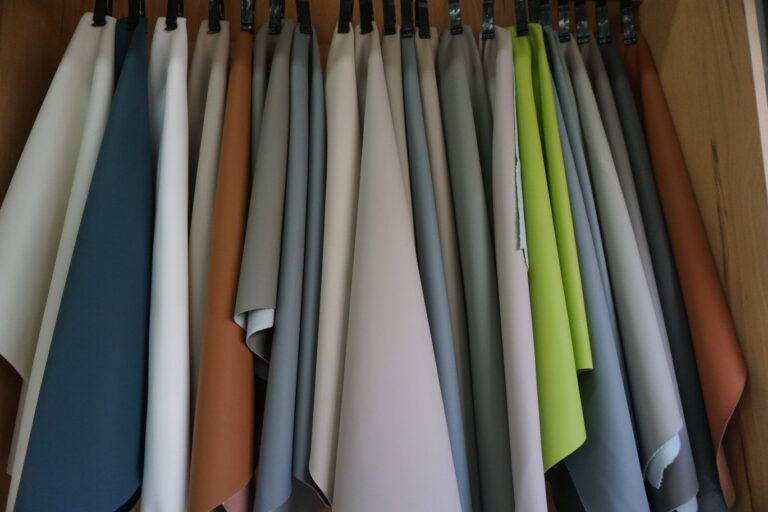
A full swatch rack is the fastest starting point: adapting an existing grain costs less than inventing one.
Cost, MOQ, and Timeline: What to Expect
Here is the honest version of the numbers. Lab samples for a matched color typically ship within 7 to 15 days. Production batches follow in roughly 15 to 20 days once the sample is approved. Custom colors generally carry a 500-meter minimum, because coating a new shade means flushing lines and tuning the curing profile.
That custom fabric minimum order quantity is the number that surprises boutique buyers most. The workaround is straightforward: start from an existing texture and adapt the color, which cuts development work dramatically. Premium hand-feel projects can also move to microfiber silicone leather for a richer touch at the same meterage.

Color matching against a physical reference, verified with a spectrophotometer before sampling.
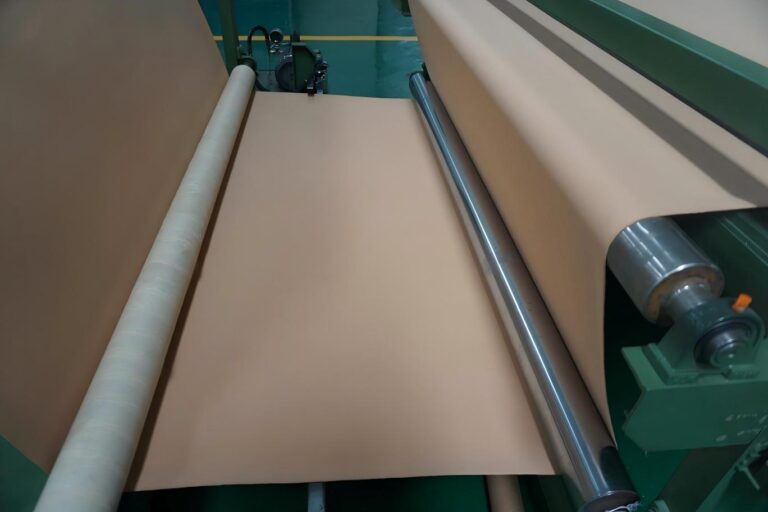
For buyers who want to understand how a custom brief becomes a coated roll, our factory production walkthrough shows each step from base fabric unwinding to final inspection.
The silicone leather introduction page covers the material system itself, from PDMS polymer to backing choice.
The Six-Week Shortcut
Design your fabric with the six specs written down, and the path from sketch to coated roll is mostly scheduling. The brands that struggle are the ones still debating color in week four.

Craft preparation on a custom brief: the spec sheet decides, the hands execute.