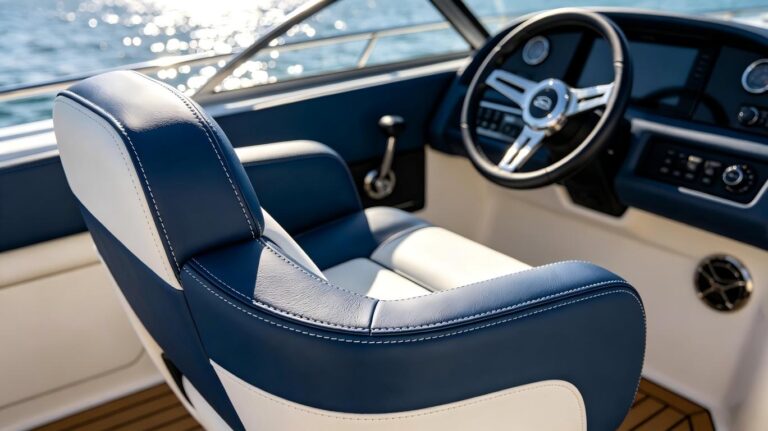
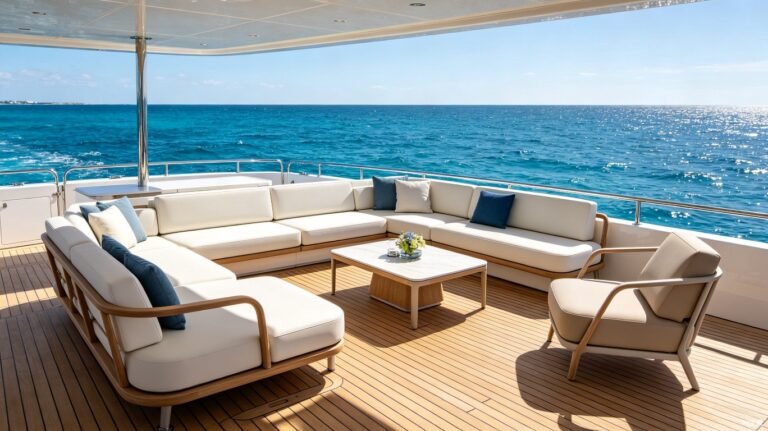
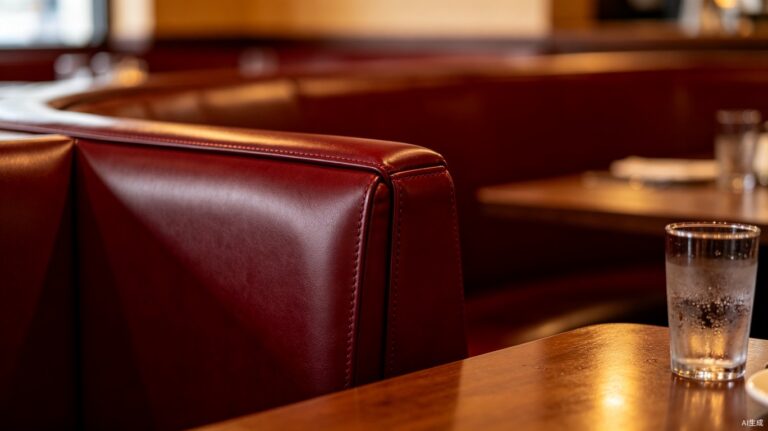
A fabric can look indestructible on the swatch and fail within a year on the chair. Our incoming inspection logs tell that story weekly. The gap is rarely the fiber itself; it is an unverified rating. Resistant fabrics earn the name through test numbers, not hand feel, and six of those numbers decide everything before a purchase order is signed.
| Material Family | Typical Abrasion Score | Known Weakness |
|---|---|---|
| Solution-dyed polyester | 30,000-50,000 double rubs | Pilling on cheap blends |
| Microfiber | 30,000-100,000 double rubs | Attracts pet hair, heat care |
| Nylon blends | 30,000+, top tensile strength | Fades in direct sun |
| Treated wool | Good soil resistance | Sun fading, cost |
| PU/PVC coated fabric | Bond tested, not rub counted | Bond failure, cracking |
| Silicone-coated fabric | 200,000+ Martindale cycles | Higher unit price |
The Double Rub Scale: How Resistant Fabrics Are Scored
Two machines dominate the ratings you will meet. The Wyzenbeek tester rubs a cotton pad back and forth, and each round trip is one double rub. The Martindale tester rubs in a figure-eight pattern, which is why its numbers are not interchangeable with Wyzenbeek figures. Industry practice treats 15,000 double rubs as the residential floor and 30,000 or more as heavy-duty commercial grade.
We re-test every incoming batch on our own bench, because certificate numbers sometimes describe the coating film rather than the full laminate. One batch last quarter carried a 40,000-rub claim and failed our flexibility test at the bond line. The rating was real; the tested sample was not the fabric we received.

Inspection benches catch what certificates hide: the tested sample versus the delivered roll.
Five Fiber Families Ranked for Abrasion Resistance
The table above compresses a century of weaving into six rows, so here is the reading guide. Polyester is the workhorse: affordable, fade-resistant when solution-dyed, and prone to pilling only in cheap blends. Microfiber surprises buyers with 30,000 to 100,000 double rubs, which is why it dominates family furniture. Nylon brings the best tensile strength but surrenders color in sunny rooms.
Wool resists soil naturally and wears slowly, yet costs more and fades under UV. For commercial programs, our furniture team usually narrows the shortlist to solution-dyed synthetics and coated fabrics, a split you can review in the furniture upholstery applications we supply.
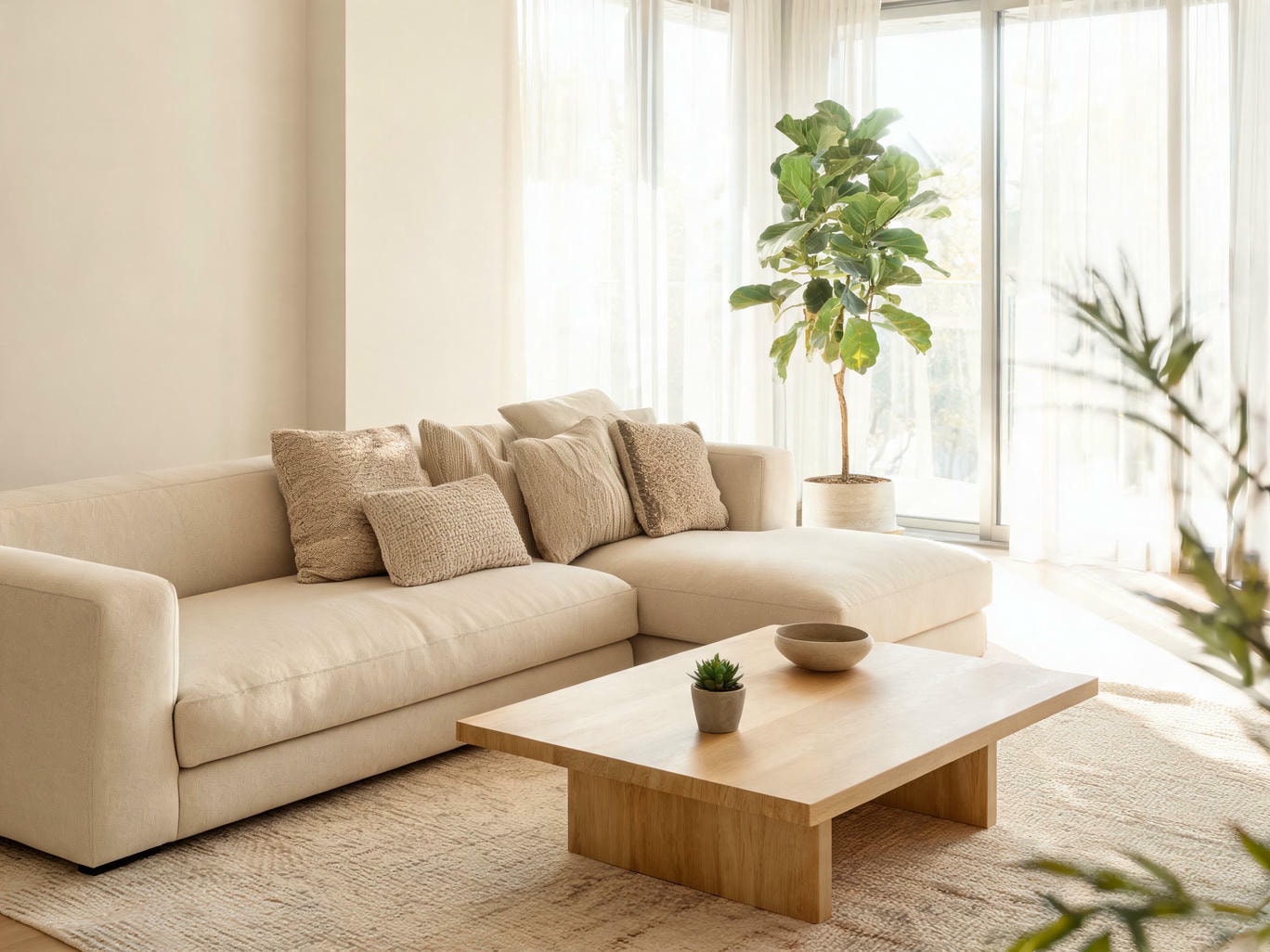
High-traffic seating is where the ratings earn their keep, or expose their gaps.
Resistant Fabrics for Wet and Outdoor Programs
Woven fabrics fight abrasion; coated fabrics fight the environment. Water, alcohol wipes, salt air, and sunscreen destroy fiber-based resistance long before the weave gives up. That is why marine and outdoor specifiers move to coated constructions, where the polymer surface takes the abuse instead of the yarn.
Silicone coating leads this category in our bench data: 200,000+ Martindale cycles under ISO 12947-2, no plasticizers to migrate, and stable flexibility from -40°C to 250°C. The PET-based version pairs that surface with a recycled fabric core, detailed on our PET silicone leather page. For program context, see the marine and outdoor applications where these constructions run year-round.

Flex testing exposes bond failure that rub counts never measure.
Watch our bench run the performance tests behind every rating on this page.
A Decision Tree for Your Next Fabric Order
Work the branches in order and the shortlist builds itself:
- If the program is indoor residential with a 3-year cycle → solution-dyed polyester at 30,000 double rubs, verified on delivery.
- If children, pets, or daily cleaning chemicals are involved → microfiber, or move to a wipeable coated surface.
- If sunlight dominates the room → nylon drops out; favor solution-dyed synthetics or UV-stable coatings.
- If the seating is commercial or marine → start at silicone-coated fabric, then compare down only if budget forces it.
- Every branch ends the same way → re-test the delivered roll, not the supplier’s swatch book.
Resistant fabrics are a measurement claim, not a look. Verify the scale behind each number, match the fiber to the environment, and confirm the delivered goods against the certificate. Those three habits remove nearly every durability surprise our inspection bench sees.
References
1. https://midwestfabrics.com/blogs/recent-posts-o… — Wyzenbeek double rub thresholds: 15,000 residential minimum, 30,000+ heavy-duty commercial(2026)
2. https://www.wayfair.com/sca/ideas-and-advice/gu… — double rub count definition and microfiber abrasion range of 30,000-100,000