Even top-grain hide starts failing around 8,000 abrasion cycles. Yet most lists of the most durable type of leather still rank hides by name, species, and price. Here is the uncomfortable part: durability lives in test numbers, not labels. On our R&D bench, we rank materials by the three measurements that predict failure — abrasion cycles, tensile strength, and flex endurance.
What Test Numbers Say About the Most Durable Type of Leather
A widely circulated grade comparison puts full-grain at 22–25 MPa tensile strength and 8,000–12,000 abrasion cycles. Top-grain lands at 18–20 MPa and 5,000–8,000 cycles. Corrected-grain drops to 3,000–5,000 cycles. Bonded leather, shredded scraps bound with PU, lasts roughly one to two years in service. Those numbers define the ceiling of the hide world. Our silicone leather line posts 200,000+ Martindale cycles under ISO 12947-2, an order of magnitude above the top hide grade.
| Grade | Tensile (MPa) | Abrasion (cycles) | Typical Lifespan | Where It Fails |
|---|---|---|---|---|
| Full-grain cowhide | 22–25 | 8,000–12,000 | 10–15+ years | Finish wear, staining |
| Top-grain (sanded) | 18–20 | 5,000–8,000 | 5–10 years | Coating cracks at seams |
| Corrected-grain | 12–15 | 3,000–5,000 | 3–5 years | Embossed layer peels |
| Bonded | 5–8 | Under 1,000 | 1–2 years | Shreds and flakes |
| Silicone leather (ours) | ≥ 15 N/mm (ISO 3376) | 200,000+ (ISO 12947-2) | 10+ years | Rarely; no hydrolysis |
One caution before you trust any chart: abrasion units differ by lab. Wyzenbeek counts single rubs, Martindale counts cycles. Ask which method the datasheet used before comparing two rolls. Our side-by-side breakdown of silicone vs PU leather walks through exactly how we normalize these tests.

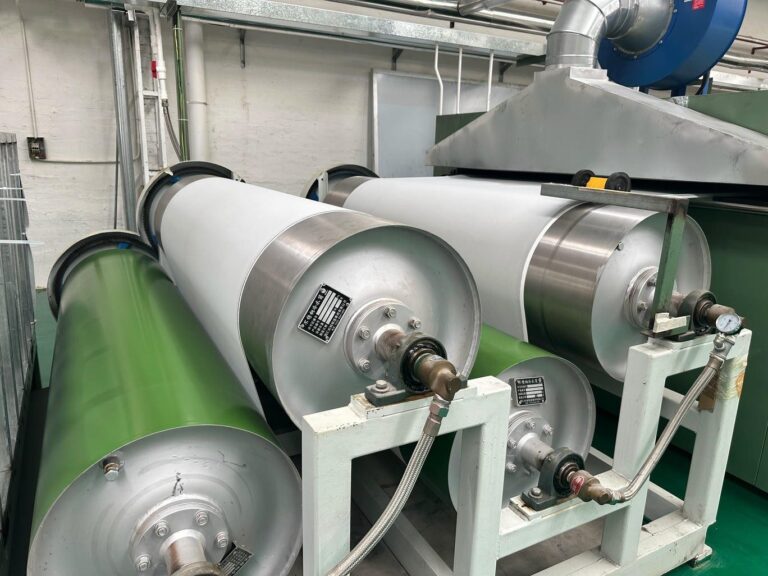
Every durability claim we publish starts on this Martindale drum — 200,000+ cycles per ISO 12947-2.
Hide by Hide: Ranking the Most Durable Type of Leather
Within real hide, the species ranking surprises buyers. Cowhide at 1.0–1.4 mm thickness delivers the highest abrasion and tear resistance among common jacket leathers, with a field lifespan of 15–50 years. But the same source notes the bigger variable is care: a well-conditioned lambskin outlasts a neglected cowhide.
- Full-grain cowhide: densest fiber network; the hide benchmark.
- Kangaroo: vertical collagen fibers give the best strength-to-weight ratio of any hide, though the thin profile limits abrasion depth.
- Goatskin: strong tear resistance with more drape; the durability middle ground.
- Bonded: not a grade of hide at all; fails first in every test we have run.

Full-grain performs well in residential seating, but contract use changes the failure mode entirely.
Where the Ranking Flips: Coatings, Hydrolysis, and Contract Wear
In hotel, transit, and healthcare seating, hides rarely fail by fiber wear. They fail at the finish: coatings crack at seams, PU binders hydrolyze from cleaning agents and humidity, and UV fades the surface long before the structure gives out. This is where a coating-based material can beat the hide benchmark. Our hydrolysis-resistant silicone leather passes 100,000+ flex cycles (ISO 5402) with no cracking, and its silicone matrix does not hydrolyze at all (ISO 11507).
The backing matters as much as the coating. A knit backing stretches and sags at seat edges over time; a woven PET or microfiber base holds its tension. In our lab, rolls built on a microfiber-backed silicone leather substrate kept edge definition after 100,000 flex cycles where knit-backed samples had already relaxed.

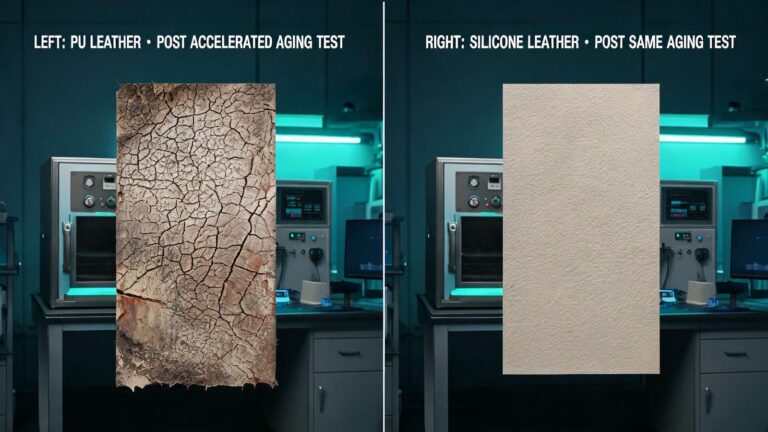
Scratch and abrasion benches separate marketing claims from field performance. Hide or coating, same test.
Is kangaroo leather the most durable type of leather?
Per millimeter of weight, yes — its fiber orientation gives kangaroo the highest tensile strength of common hides. In practice, thinness limits abrasion depth, exotic hides carry import restrictions, and neither beats a 200,000-cycle coating for contract seating.
Does a higher abrasion rating mean less care?
No. Care is the bigger lifespan variable among hides: neglected cowhide fails before conditioned lambskin. A high rating buys time between failures, not immunity. Silicone leather is the exception: plain water and mild soap, no conditioning cycle at all.
The Most Durable Type of Leather Is the One With Numbers
Full-grain is the most durable hide by name. But for your project, the most durable type of leather is simply the roll with the highest test numbers. Increasingly, that roll is a coated silicone, not a skin.
Request Durability-Tested Silicone Leather Swatches
References
1. https://szoneierleather.com/custom-leather-fabr… — grade table: tensile MPa, abrasion cycles, and lifespan by leather grade
2. https://decrum.ca/blogs/news/lambskin-vs-cowhid… — cowhide thickness, 15–50 year lifespan, and care as the dominant durability variable
3. https://moonsterleather.com/blogs/news/most-dur… — kangaroo leather fiber orientation and strength-to-weight