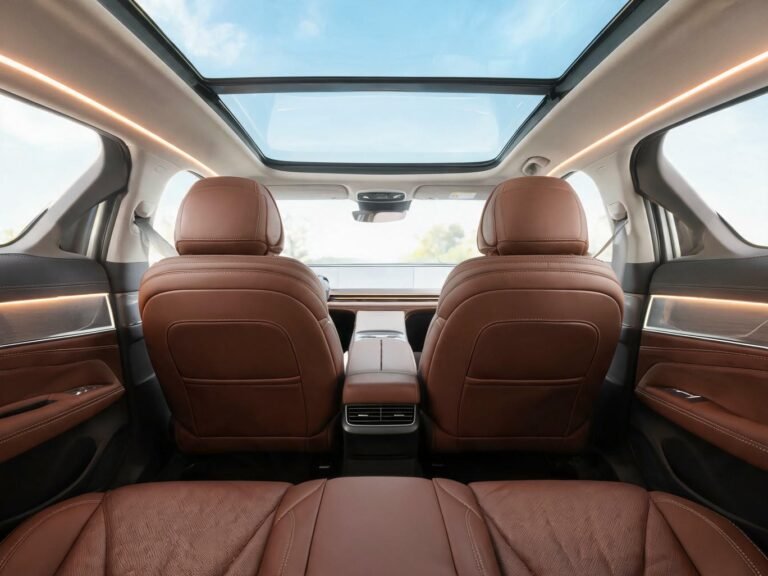
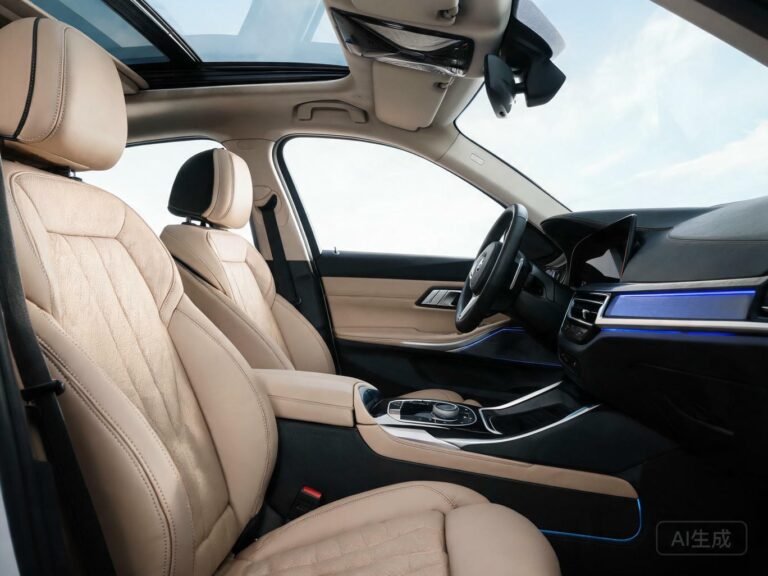
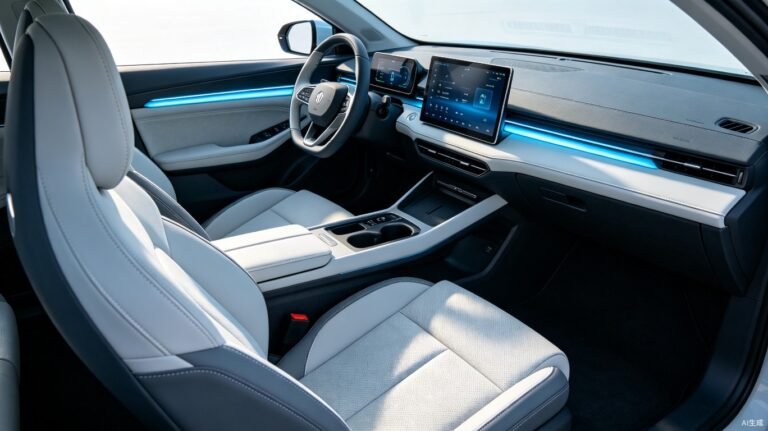
What if the “leather” on your sofa, car seat, and wallet isn’t the same material at all? The word “leather” covers four distinct generations of materials — each with fundamentally different chemistry, durability, and cost. Knowing which leather series generation you’re sourcing determines whether your product lasts 2 years or 10.
| Generation | Material Base | Lifespan | Martindale Cycles | VOC Emission |
|---|---|---|---|---|
| Gen 1: Natural Leather | Animal hide (chrome/veg tanned) | 10–20 years | 50,000+ | Moderate (tanning chemicals) |
| Gen 2: PVC Leather | Polyvinyl chloride + plasticizers | 2–3 years | 20,000–50,000 | High (phthalates) |
| Gen 3: PU Leather | Polyurethane coating on fabric | 3–5 years | 50,000–100,000 | Moderate (solvents) |
| Gen 4: Silicone Leather | 100% silicone polymer on substrate | 10+ years | 200,000+ | Zero |
The 4 Generations of the Leather Series
The first leather series generation is natural animal hide — full grain, top grain, and bonded leather. Full grain retains the complete grain layer for maximum durability and develops a patina over decades. Top grain is sanded for uniform appearance but loses structural density. Bonded leather pulverizes scraps with polyurethane binders, offering the lowest quality in this generation. Each grade serves different B2B applications, from luxury furniture to disposable fashion accessories.

Lychee-grain swatches representing the texture range across a modern leather series
The second generation — PVC leather — emerged as a cost-driven replacement using polyvinyl chloride and plasticizers. It’s waterproof but cracks within 2–3 years due to plasticizer migration and UV degradation. The third generation, PU leather, improved flexibility and breathability but still relies on carbon-based polymer bonds that hydrolyze under heat and moisture. PU dominates the synthetic leather market with 51.36% share — not because it’s the best, but because it’s the cheapest acceptable option.
The fourth generation — silicone leather — represents a fundamentally different chemistry. Instead of carbon-based polymers, it uses a silicone (Si-O) backbone with 30% higher bond energy. This molecular difference explains why silicone leather achieves what PU and PVC cannot: 10+ year lifespan, 200,000+ Martindale cycles, and near-zero VOC emissions during manufacturing. In our R&D lab, we’ve confirmed that the silicone coating ratio directly correlates with hydrolysis resistance — full-silicone formulations show zero degradation after 1,000+ hours of ASTM G154 UV exposure.
Performance Data: How Each Leather Series Generation Holds Up

Six-color production rolls demonstrate the customization range of a modern leather series
When we benchmark PU against silicone in our lab, the leather series durability ranking is unambiguous. PU starts surface cracking at 200 UV hours. Silicone shows zero degradation at 1,000+. PU loses flexibility below -20°C. Silicone maintains suppleness at -40°C. PU emits solvent residues measurable by VDA 277. Silicone produces zero detectable VOCs. These aren’t marginal differences — they’re category-level gaps that determine whether your product survives warranty or triggers replacement claims.
Choosing the Right Leather Series for Your Application
For furniture, automotive, and marine applications where products must last 5+ years, Gen 4 silicone leather is the only synthetic that matches natural leather’s lifespan — without the ethical, environmental, and supply-chain risks of animal hide sourcing. For short-cycle consumer goods under 3 years, PU remains a pragmatic choice. PVC should be phased out entirely: its plasticizer leaching, toxic smoke in fires, and non-recyclability make it a liability in any B2B specification.

Furniture application demonstrates why leather series selection impacts product longevity
The leather series evolution tells one story: each generation solved the previous one’s biggest failure — until silicone solved them all. If your specification still reads “PU leather,” you’re writing Gen 3 into a Gen 4 world.
About TOPSUN
TOPSUN develops silicone polymer leather series across 7 product collections for automotive interiors, furniture upholstery, marine decking, medical devices, and consumer electronics.
Solvent-free dry coating at 60,000 m² capacity · 100+ custom textures with 7-day embossing turnaround · Pantone-matched color accuracy at Delta E ≤ 1.0