The numbers are counterintuitive: silicone leather fabric costs 1.5× more per meter than PU — yet saves 60% over five years. How? PU requires replacement every 3–5 years. Silicone lasts 10–15. Over a 5-year project cycle for 1,000 meters of upholstery, PU’s total cost reaches $28,000+ in material and labor. Silicone sits at $24,000 — zero replacement, zero reinstallation. That’s before counting warranty claims, defect rates, and disposal costs. The upfront price is a mirage. The lifecycle cost is the reality.
| Cost Factor | PVC | PU | Silicone |
|---|---|---|---|
| Material cost/m | $8 | $14 | $24 |
| Replacements in 5yr | 2.3 cycles | 1.5 cycles | 0 |
| 5yr material cost (1,000m) | $26,400 | $28,000 | $24,000 |
| Defect rate impact | High | $8,000 QC | $4,000 QC (-50%) |
| Warranty returns (2yr) | Highest | $12,000 | $2,000 (-83%) |
Where PU and PVC Bleed Money Over 5 Years
The silicone leather fabric cost advantage comes from three sources that most buyers never calculate. First, replacement cycles: PVC lasts 2–3 years, PU 3–5 years, meaning 1–2 full reupholstery cycles within a 5-year window. Each cycle means material cost + removal labor + reinstallation labor + downtime. Second, defect rates: our quality data shows silicone leather has 50% lower defect rates than PU, because the dry coating process is more consistent than solvent-based wet coating. Third, warranty exposure: PU generates $12,000 in warranty returns per 2-year period vs silicone’s $2,000 — an 83% reduction. Across our automotive, furniture, and medical application lines, this pattern holds consistently.

Quality inspection: where 50% lower defect rates translate directly to cost savings
The 3 Cost Categories Most Buyers Forget

Cleanroom production: lower defect rates start at the manufacturing stage
- Disposal costs — PVC isn’t recyclable. Disposal incurs hazardous waste fees in EU markets. Silicone is 100% recyclable — zero disposal cost, potential material recovery value.
- Downtime during replacement — Reupholstering 1,000 seats takes 5–10 business days. For hotels, restaurants, or vehicle fleets, that’s revenue loss nobody budgets for.
- Brand damage from premature failure — Customer complaints, negative reviews, and lost contracts when leather cracks at 18 months. The BSI Group reports that product quality failures cost manufacturers 3–5× the replacement cost in reputation damage.
For a deeper material comparison, see our silicone vs PU vs PVC technical breakdown. The break-even point where silicone’s higher upfront cost is offset by lower lifecycle costs typically falls at 6–8 years — well within most B2B product lifecycles.

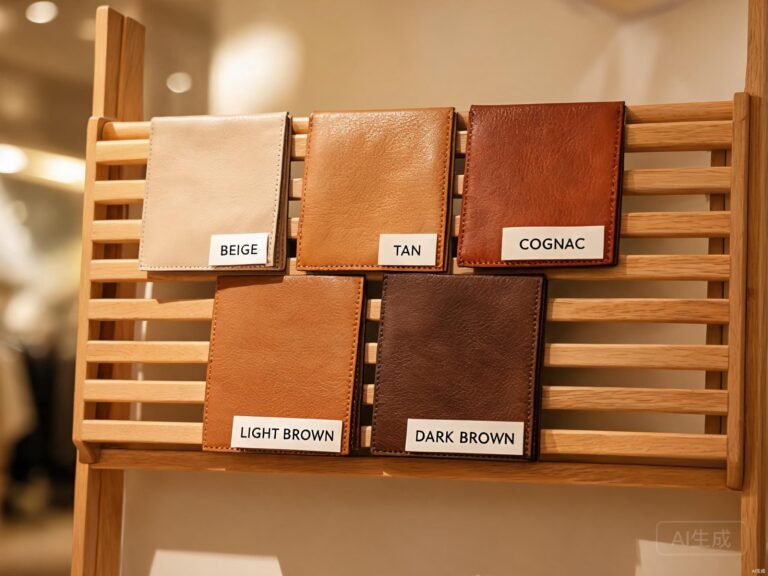
Material selection: where silicone leather fabric wins the 5-year cost race
For applications demanding 10+ year service life, the full vs semi-silicone formulation comparison favors full silicone — higher upfront but unmatched longevity.
About TOPSUN
TOPSUN supplies silicone leather fabric to B2B buyers who calculate total cost of ownership, not just price per meter — with 50% lower defect rates, 83% fewer warranty returns, and zero replacement cycles over a 5-year period.
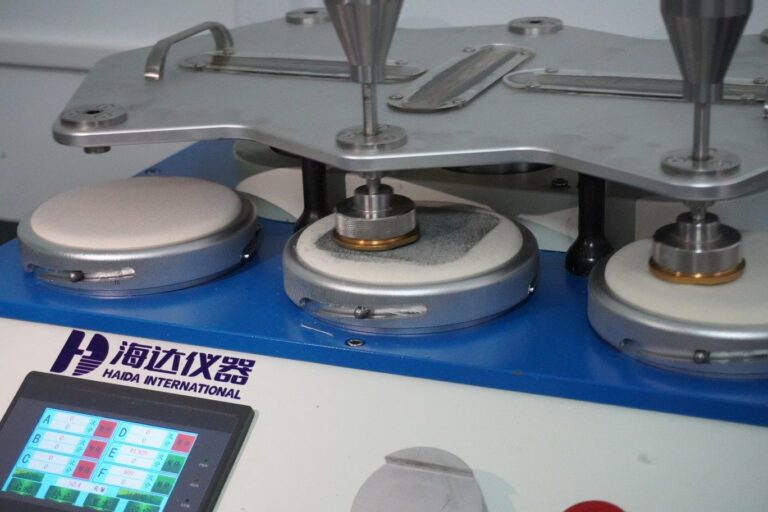
10–15 year service life · 200K+ Martindale cycles · 100% recyclable · 7–15 day lead time · Free TCO calculation worksheet with sample order
Silicone leather fabric isn’t the cheapest option per meter. It’s the cheapest option per year of service. Before you sign your next material contract, ask for the 5-year TCO — not just the unit price. Here’s your checklist: material cost × replacement cycles + labor per cycle + disposal fees + warranty exposure + downtime cost = true price. Run the numbers. The material that looks expensive on the quote might be the one that saves your budget.