Imagine specifying a vegan leather that looks perfect on the sample card — soft hand, rich color, clean grain. Eighteen months later, the upholstery is peeling. The surface has chalked under UV. The client wants to know why their “sustainable” choice looks worse than the animal leather it replaced. As a specifier, you’ve just hit the gap that separates “vegan” from “viable” — and it comes down to molecular structure, not marketing claims. The vegan alternative to leather market crossed $32.8 billion in 2026, but most of that volume is PU and PVC: materials engineered to look like leather, not last like it.
| Material | Lifespan | UV Resistance | Recyclable |
|---|---|---|---|
| PU (Polyurethane) | 3–5 years | Poor — chalks in 500 hrs | Limited |
| PVC (Polyvinyl Chloride) | 5–10 years | Poor — cracks in 1–2 years | No |
| Plant-based (cactus, apple, etc.) | 2–4 years | Moderate — often PU-coated | Varies |
| Silicone leather | 10+ years | Excellent — 1,000+ hrs | Yes (100%) |
Get Free Silicone Leather Samples
Why PU Peels as a Vegan Alternative to Leather
PU vegan leather is a layered structure: fabric backing bonded to a polyurethane coating. That bond is the failure point. UV light breaks down polyurethane at the molecular level, causing chalking and surface erosion. Hydrolysis — moisture penetrating the coating — attacks the adhesive bond between layers. The result is peeling that no maintenance routine can reverse.
In our material testing, PU samples showed visible surface chalking after 500 hours of UV exposure under ASTM G154. Silicone leather showed zero degradation at 1,000+ hours under identical conditions. PVC faces a different failure mode: plasticizer evaporation makes the material progressively harder and more brittle, leading to cracking rather than peeling. We’ve seen clients specify PU for yacht interiors, then contact us 18 months later when salt air accelerated the polyurethane breakdown — hydrolysis damage became visible across the entire seating surface. For a deeper breakdown of how these materials compare structurally, see our silicone vs PU technical comparison.

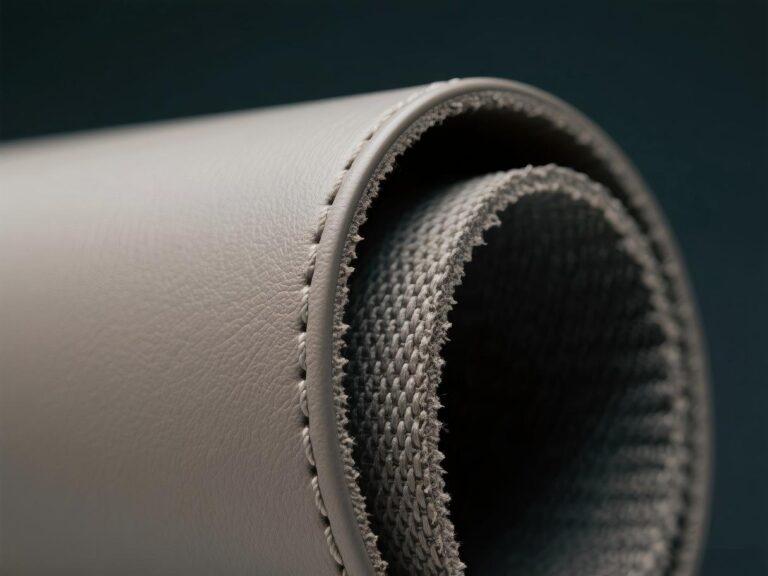
Silicone leather softness and fold quality — maintains structural integrity without cracking
Vegan Alternative to Leather: Lifespan Showdown
The lifespan gap between vegan leather types is wider than most specifiers realize. Standard PU lasts 3–5 years before visible deterioration. PVC stretches to 5–10 years but cracks rather than peels. Plant-based leathers — cactus, pineapple, apple — show 2–4 years of daily wear, and most still contain a PU or PLA coating for waterproofing, which inherits the same UV vulnerability.
Silicone leather is the outlier: 10+ years of service life, verified by 200,000+ Martindale abrasion cycles in ISO 12947-2 testing. That’s not a marginal improvement — it’s a different material category. According to Morgan Reed Insights, the vegan leather market is projected to reach $86.66 billion by 2035, but growth driven by cheap PU won’t solve the durability problem specifiers face on every project. For a broader look at available options, this vegan leather alternatives guide covers the full range.

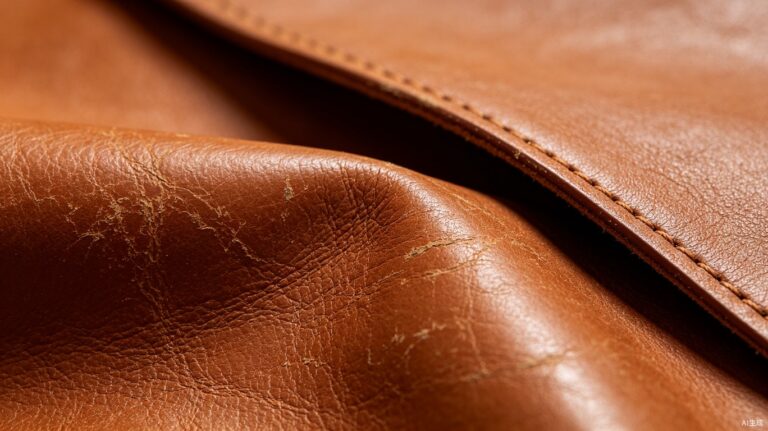
Vegan leather material textures — surface appearance alone doesn’t predict long-term performance
The Specifier’s Choice: Which Vegan Alternative Lasts
For designers specifying materials that need to look good in year five, not just day one, the choice narrows quickly. Silicone is the only vegan alternative to leather that matches or exceeds real leather’s lifespan without animal inputs. It’s hydrolysis-proof, UV-stable to 1,000+ hours, and 100% recyclable — three properties PU, PVC, and plant-based alternatives collectively fail to deliver. The upfront cost is higher, but total cost of ownership over a 10-year service life favors silicone by a wide margin, especially in commercial and hospitality applications where reupholstering cycles drive the real budget. Learn more about what makes this material different in our silicone leather introduction.

Color and texture range available in silicone leather — design flexibility without performance compromise
Bottom line: A vegan alternative to leather that peels in 18 months isn’t a sustainable choice — it’s a waste stream. Silicone leather lasts 10+ years, contains zero solvents, and recycles at end of life. That’s the spec that holds up under both performance and sustainability audits.
Not every vegan alternative to leather is built to last — and the one that fails fastest is the one most commonly specified. PU’s molecular breakdown under UV and moisture isn’t a quality issue you can solve by paying more; it’s a structural limitation baked into the material. When your client expects 10 years from a material that cracks in 2, the sustainability story works against you. For projects that demand real longevity, a detailed silicone vs PU vs PVC comparison breaks down the full spec sheet.
Get Free Silicone Leather Samples
Is silicone leather actually a vegan alternative to leather?
Yes. Silicone is derived from silica (sand), not animals. It contains no animal-derived inputs and is certified vegan and cruelty-free. Unlike PU and PVC, it also contains no petroleum-based plasticizers or solvents.
How long does vegan leather last compared to real leather?
PU vegan leather lasts 3–5 years; PVC lasts 5–10 years before cracking. Real leather lasts 10–20+ years. Silicone leather matches real leather at 10+ years, making it the only vegan option that doesn’t sacrifice longevity for animal-free sourcing.