Transparent leather sourcing looks straightforward on a B2B marketplace — glossy product photos, low MOQs, aggressive pricing. But once you receive samples and put them through real-world testing, the gaps become obvious: inconsistent clarity, yellowing after UV exposure, cracking along flex lines, and compliance paperwork that doesn’t match what was quoted.
After six years of working with procurement teams across fashion, accessories, and consumer electronics industries, we’ve seen the same sourcing mistakes repeat. Most buyers focus on price per meter and initial transparency level, then discover quality issues only after production starts — when rework costs are 5–10x higher.
This 7-point checklist is what we tell every new client to put in their RFQ before they request a single sample. If a supplier can’t provide test data for all seven specs, move on — the risk of a costly production failure is too high.
Download Our Sourcing Specification Template

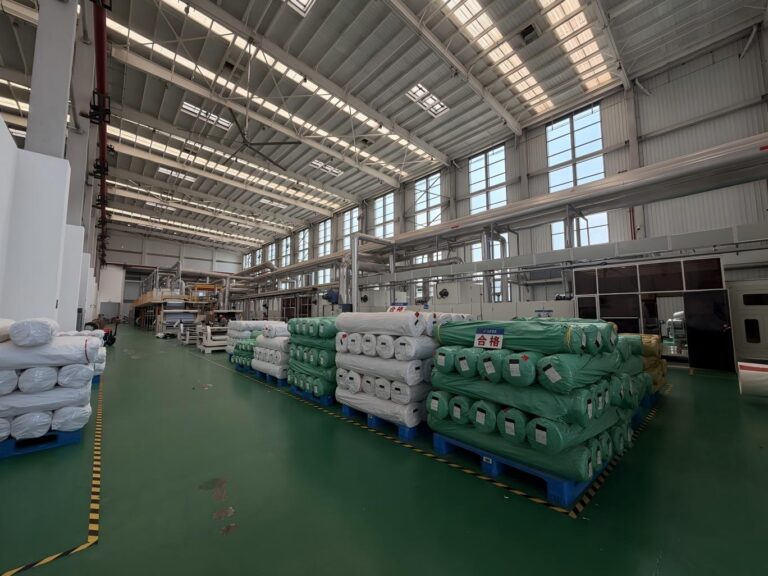
Material swatch library at our facility — verified specs for every batch and finish option
The Transparent Leather Sourcing Landscape
The market for clear and translucent leather-like materials has grown rapidly as fashion brands and product designers explore see-through aesthetics. On the supply side, you’re choosing between three categories:
- Genuine transparent leather: Real animal hide specially tanned and finished for translucency (50–85% light transmission). Premium pricing, limited supply, and inconsistent batch quality. Used mainly in high-end fashion.
- PVC transparent leather: The most common option on marketplaces. Low cost but high plasticizer content, poor UV resistance, and compliance concerns around phthalates and heavy metals.
- Silicone and PU-based clear materials: Newer generation options with better clarity consistency and performance. Silicone-based versions offer the best durability and food-contact safety, but at a higher unit cost.
For volume production runs, most buyers end up choosing between PVC and silicone-based options. The price gap can be 2–3x per meter, but the total cost of ownership tells a different story. For more on responsible sourcing practices, see our guide to B2B leather platform compliance.
Procurement tip: Always calculate total landed cost — not just per-meter price. Include tooling fees, sample rounds, compliance testing, expected defect rate, and warranty exposure over the product’s lifecycle. A material that’s 30% cheaper upfront can cost 200% more over three years.
What Is Clear Transparent Synthetic Leather, Exactly?
Despite the name, most “transparent leather” sold in B2B volume isn’t leather at all — it’s a polymer film (PVC, PU, or silicone) bonded to a fabric backing. The “leather” descriptor refers to the material’s hand feel and its use as a leather alternative, not its composition.
Clarity is measured by light transmittance percentage, typically at the 550nm wavelength (visible light spectrum). Entry-level PVC products often hit 60–70% transmittance but with a yellow tint. Premium silicone-based clear materials can achieve 85%+ transmittance with a neutral color profile that stays consistent across batch runs.
The backing material matters more than most buyers realize. A knitted polyester backing provides stretch and flexibility — important for bag straps or wearable applications — while a non-woven backing delivers dimensional stability for rigid applications like packaging or decorative panels.

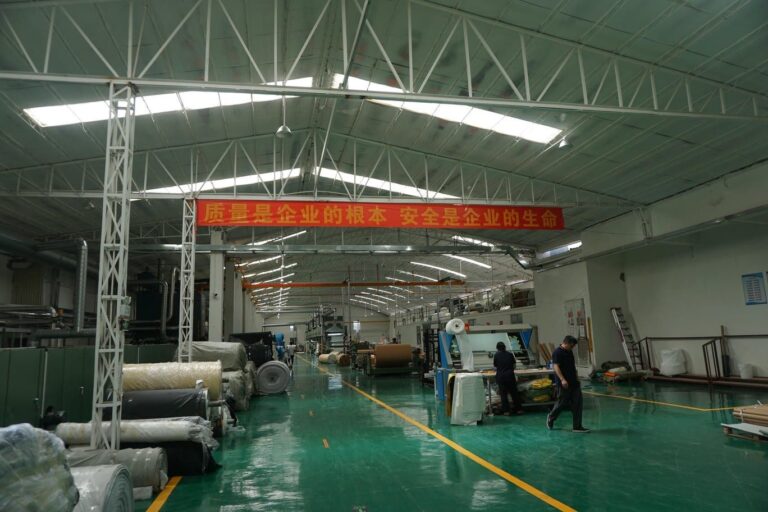
Automated fabric inspection line — every roll is checked for defects before shipping
7 Critical Specs for Your Transparent Leather Sourcing RFQ
Here’s the checklist we recommend putting in every RFQ. If a supplier can’t provide test reports for these within 48 hours, they’re probably not a serious production partner.
| # | Specification | What to Ask For | Why It Matters |
|---|---|---|---|
| 1 | Light transmittance | % at 550nm, with test method | “Clear” means different things to different suppliers — quantify it. |
| 2 | UV stability | ISO 105-B06 grade after 500h | Cheap PVC yellows badly within 6–12 months near windows. |
| 3 | Flex resistance | ISO 5402 cycles to first crack | Transparent films crack faster than opaque ones — verify first. |
| 4 | Chemical compliance | REACH, RoHS, phthalate test report | PVC formulations often contain restricted plasticizers. |
| 5 | Thickness tolerance | ±mm across the roll width | Inconsistent thickness = inconsistent clarity = visible defects. |
| 6 | Backing type | Knitted / non-woven / microfiber | Affects stretch, drape, and bonding strength for your application. |
| 7 | Batch-to-batch consistency | Delta E color/clarity value | Nothing kills a product line faster than reorders that don’t match. |
Factory quality control process — how we verify every batch before it leaves the facility
Red Flags When Vetting Transparent Leather Suppliers
After evaluating hundreds of suppliers on behalf of our clients, these are the warning signs that consistently predict problems downstream:
- Prices well below market rate: If a quote is 30%+ cheaper than the average, the supplier is either cutting corners on raw materials or skipping compliance testing. Both come back to bite you.
- Unwillingness to provide test reports: Reputable factories have third-party test reports ready to send. If they say “we’ll test after you order” — that means they haven’t tested, and the results may not be good.
- No clear MOQ or lead time: A supplier who can’t tell you their minimum order quantity or standard lead time within one email probably doesn’t have their own production line.
- Vague answers about backing material: The backing is half the product’s performance. If they can’t specify the exact backing type, weight, and composition, they don’t control their supply chain.
The best way to verify a supplier’s capability is to order samples from 3–5 different sources and run your own basic tests — even a simple sunlight exposure test in a window for two weeks will reveal which materials yellow and which ones hold their clarity. For a deeper look at factory capabilities, explore our factory production process.

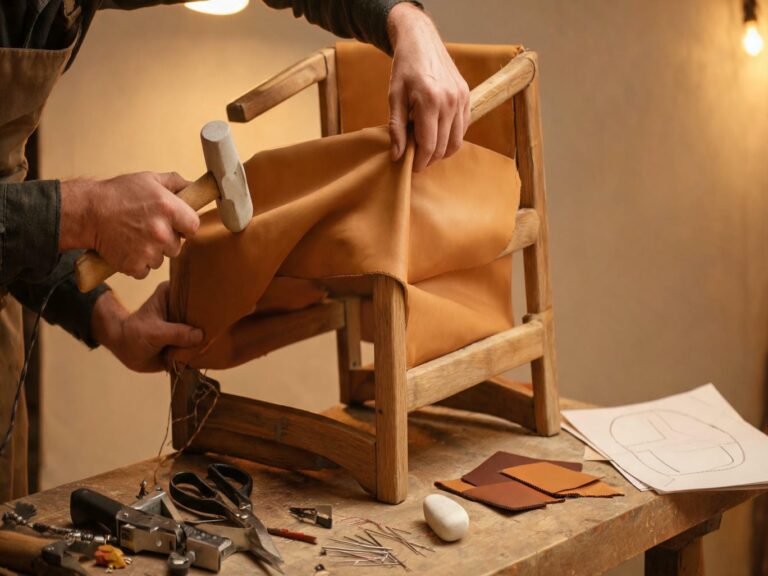
Physical testing laboratory — verify supplier claims with independent test data
Source Smarter, Not Cheaper
Transparent leather sourcing is full of pitfalls because the material looks simple but has complex performance requirements. The seven specs on this checklist address the failures we see most often — yellowing, cracking, inconsistency, and compliance issues — all of which are expensive to fix after production starts.
The procurement teams that get the best results don’t just negotiate on price — they build supplier partnerships based on verified quality and transparent communication. Start with a clear spec sheet, test samples against your actual use conditions, and choose a supplier that can back their claims with data.
Request a Custom Sourcing Consultation
About TOPSUN
TOPSUN helps B2B procurement teams source high-performance silicone leather materials with verified specs, batch-to-batch consistency, and full compliance documentation — no marketplace surprises.
REACH & RoHS compliant | FDA food-contact safe | 500m MOQ | 7–15 day lead time | Free A4 swatches worldwide