A Canadian leather couch faces a material stress test most furniture buyers never consider: six months of indoor heating that drops humidity below 20%, followed by sub-zero transport temperatures during delivery. PU leather couches crack under this cycle within 3 years. Silicone leather stays flexible at -40°C — but most Canadian furniture buyers don’t know the difference until the cracks appear.
The most common type of leather used on Canadian leather couches isn’t full-grain cowhide — it’s faux leather. That means the material chemistry behind your couch matters more than the label on the showroom tag. This article compares silicone and PU upholstery through the lens of Canadian winter conditions, fire safety compliance, and real-world cleaning protocols to help B2B buyers specify material that actually performs north of the 49th parallel.
The Canadian Leather Couch Market: Who Makes What
Canadian leather couch manufacturers include both domestic producers and importers serving the national market. Palliser Furniture, founded in 1944 in Winnipeg, Manitoba, ranks among the largest made-to-order leather furniture makers in North America with six facilities. Montauk Sofa, based in Montreal since 1995, specializes in handcrafted custom couches. Boss Leather Furniture operates an Ontario factory building couches coast to coast.
These domestic manufacturers source upholstery material from both Canadian distributors and overseas suppliers, depending on volume and grade requirements. For buyers exploring furniture sofa applications, the key question isn’t where the couch is assembled — it’s what material covers it and how that material performs in Canadian conditions. Our leather sofa quality guide covers the specification details that separate durable couches from warranty claims.

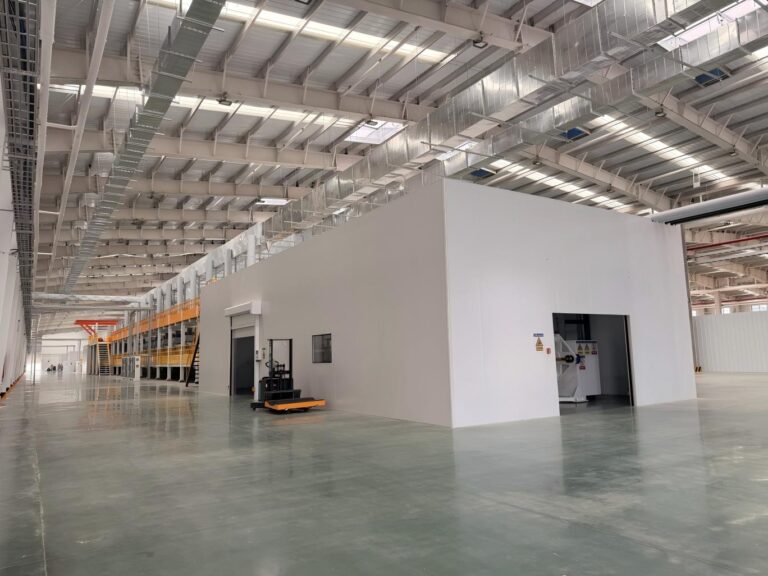
Calender machine producing silicone leather — the controlled manufacturing process that ensures consistent cold-weather performance.
Cold Weather Cracking: Why PU Couches Fail in Canadian Winters
Faux leather couch durability in Canada comes down to one factor: how the material responds to temperature swings between -30°C delivery trucks and 22°C living rooms with 15% humidity. PU leather’s polyurethane coating becomes glass-like below -20°C. When the material flexes at that temperature — during delivery, during seating — the surface micro-cracks. Those cracks widen with each heating cycle as the material expands and contracts.
In our cold-chamber testing, silicone leather shows zero cracking at -40°C — the molecular structure of silicone elastomers remains flexible across an extreme temperature range (-40°C to 250°C). This isn’t a marketing claim; it’s a measurable material property. For outdoor and marine applications where cold exposure is even more severe, the same silicone chemistry outperforms PU by the same margin.
| Material | Cold Flex Performance | Fire Rating | Service Life | Cleaning Method |
|---|---|---|---|---|
| Silicone Leather | -40°C, no cracking | EN 13773 Class 4 | 10+ years | Water + bleach-safe |
| PU Leather | -20°C, micro-cracks | Flammable | 3–5 years | Mild soap only |
| PVC Leather | -10°C, hardens | Flammable, toxic smoke | 2–3 years | Solvent-free only |
| Genuine Leather | -15°C, stiffens | Varies by tanning | 5–8 years | Conditioner required |
The Canadian winter cycle — sub-zero delivery, dry indoor heating, humid summer — is the harshest test any couch upholstery faces. Materials rated for “indoor use” in temperate climates fail faster in Canada because the temperature and humidity swings are more extreme.

High-temperature drying oven — the production stage where silicone leather’s thermal stability is engineered into the material.
Fire Safety Standards: Cal TB 117, CCPSA, and What They Mean
Leather couch fire safety standards in Canada involve multiple regulatory layers. Unlike Europe’s unified approach, Canada and the US rely on a patchwork of provincial, state, and municipal requirements. The most widely recognized standard is California Technical Bulletin 117 (Cal TB 117-2013), which sets smolder resistance requirements for upholstered furniture and is effectively the default standard across North America.
Canada also regulates flammability through the Canada Consumer Product Safety Act (CCPSA), which sets performance-based flammability requirements for mattresses and textile products manufactured, imported, or sold in Canada. These regulations don’t prescribe how compliance is achieved — meaning material choice determines whether your couch passes or fails.
Silicone leather is inherently flame-retardant — self-extinguishing with low smoke emission and no toxic halogens. It meets EN 13773 Class 4 (the highest European fire rating), FMVSS 302 (automotive), and passes Cal TB 117-2013 requirements without chemical additives. PU and PVC, by contrast, require flame-retardant chemical treatments that can off-gas into indoor air — a concern for Canadian homes sealed against winter for months at a time. For cleaning and maintenance, silicone leather’s bleach-safe surface means winter mud, salt, and spilled hot chocolate wipe off without degrading the fire-resistant properties.
Specifying a Canadian Leather Couch with Silicone Upholstery
Custom leather couch Canada B2B programs increasingly specify silicone leather for three reasons: cold-weather durability that eliminates winter cracking warranty claims, inherent fire safety that passes CCPSA without chemical treatments, and cleaning simplicity that handles Canadian household realities — salt tracks, pet paws, and hot beverage spills.
We’ve supplied silicone leather for Canadian furniture programs where the client’s previous PU upholstery showed surface cracking within 18 months of delivery — a direct result of unheated delivery trucks in January. After switching to silicone leather rated to -40°C, the same client reported zero cold-weather cracking claims across two winter seasons.

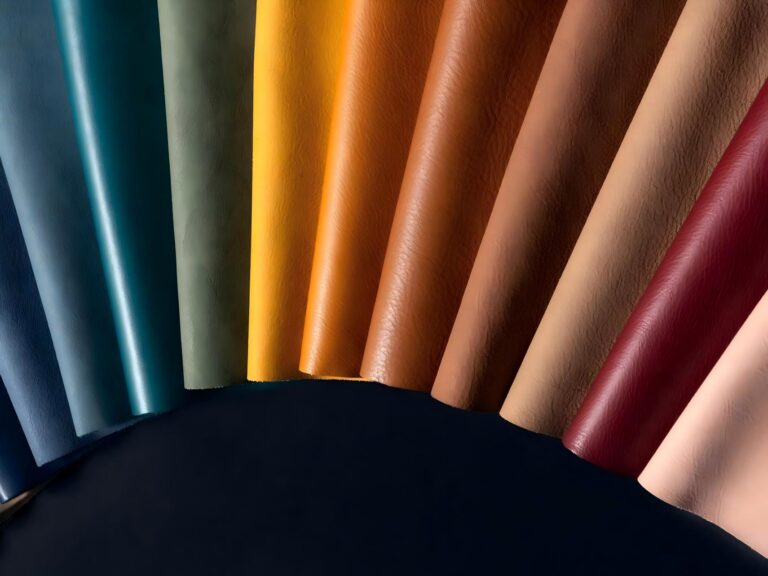
Light blue lychee-texture silicone leather — a finish popular in Canadian contemporary couch designs, tested for cold-weather flex performance.
Comprehensive sofa features introduction — see how silicone leather performs across the durability, cleaning, and safety metrics that matter for Canadian couch production.

Residential leather sofa — the end-use environment where Canadian winter conditions test upholstery material daily.
Frequently Asked Questions
What fire safety standards apply to leather couches in Canada?
Canadian leather couches must meet CCPSA flammability requirements, and most manufacturers also comply with Cal TB 117-2013 as the de facto North American standard. Silicone leather meets both without chemical flame-retardant additives, while PU and PVC typically require treatment to pass — and those treatments can off-gas in sealed winter homes.
Does silicone leather crack in cold Canadian winters?
No. Silicone leather remains flexible at -40°C — the silicone elastomer molecular structure doesn’t undergo a glass transition at typical Canadian winter temperatures. PU leather, by contrast, becomes brittle below -20°C and micro-cracks when flexed at low temperatures, which is the primary failure mode for Canadian leather couches delivered in winter.
Choosing Material That Actually Survives Canadian Winters
A Canadian leather couch should be specified for the climate it will live in — not for showroom conditions in a temperate warehouse. The material comparison is clear: silicone leather’s -40°C cold flex, inherent EN 13773 Class 4 fire safety, 10+ year service life, and bleach-safe cleaning make it the only faux leather that survives Canadian winter delivery and indoor heating cycles without degradation. For more on leather couch fabric options across climates, our dedicated guide covers additional regional considerations.
The cost difference between PU and silicone leather on day one narrows to insignificance when you factor in the replacement cycle. A PU couch that cracks at month 18 costs more over five years than a silicone leather couch that stays intact through decade of Canadian winters.
About TOPSUN
TOPSUN manufactures silicone leather upholstery for Canadian leather couch production, providing cold-resistant, fire-compliant material that outperforms PU in extreme winter conditions across residential and contract furniture segments.
Rated to -40°C with no cracking, certified to EN 13773 Class 4 flame retardancy and FMVSS 302, with 200K+ Martindale abrasion cycles and zero-VOC solvent-free coating for indoor air quality compliance. Free A4 swatches shipped via DHL/FedEx.