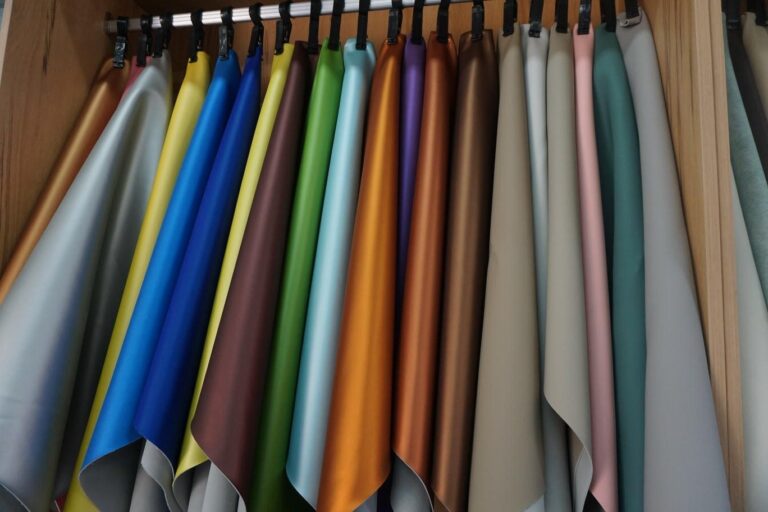
When I audit a supplier’s compliance documentation, the first question I ask isn’t about certifications or test reports — it’s about the leather animals in their supply chain. Where did the hides come from? Which species? Which slaughterhouses? Which tanneries? In 2026, those questions are getting harder to answer, and the brands that can’t answer them are losing market access in the EU, North America, and increasingly in Asia-Pacific markets. The compliance burden of sourcing leather animals has become a strategic risk, not just a procurement line item.
Request Animal-Free Leather Samples
The Compliance Landscape for Leather Animals in 2026
The regulatory net around leather animals is tightening from three directions simultaneously. First, the EU Deforestation Regulation (EUDR) now requires companies to prove that cattle hides originate from land not associated with deforestation after December 2020 — with geolocation coordinates for every plot of land. Second, CITES restrictions on exotic species like crocodile, python, and stingray have made luxury leather sourcing a paperwork minefield, with import permits that can take months to process. Third, Indonesia’s mandatory BPJPH Halal certification for leather goods bans pigskin, dogskin, and crossbred animal hides outright — a restriction that caught many exporters off guard in 2025.
For brands selling into multiple markets, the intersection of these regulations creates a documentation burden that grows with every new market entry. A single shipment of leather animals sourced hides may need EUDR geolocation data, CITES permits for exotic species, LWG tannery certification, and species-specific animal welfare documentation — all before the goods clear customs. Compare that to sourcing eco-friendly silicone leather, which requires none of this documentation because it contains zero animal-derived materials.

Finished silicone leather rolls — zero animal sourcing, zero CITES or EUDR documentation required
Why Leather Animals Drive Traceability Costs Upward
True traceability for leather animals requires four named entities on file for every hide: the ranch or feedlot, the abattoir, the tannery, and the workshop that cuts the finished piece. Missing any one of those nodes means the chain is “probably traceable” — which, when a regulator asks, is the same as untraceable. In our experience auditing leather supply chains, roughly 60% of suppliers cannot provide complete four-node documentation for every hide in a shipment. They can document the tannery and the workshop, but the ranch and abattoir records are often missing, incomplete, or fabricated.
The cost of maintaining this documentation isn’t trivial. One mid-size furniture brand we worked with spent over $180,000 annually on third-party traceability audits, supplier verification visits, and compliance management software — all dedicated to tracking leather animals through their supply chain. When a single tannery in their network failed an LWG audit, the brand faced a 90-day production halt while they sourced an alternative supplier and re-verified the new chain. For a deeper analysis of these risks, see our breakdown of leather hide supply chain risk patterns.
Animal leather sourcing requires 4-node traceability, CITES permits, LWG certification, EUDR geolocation data, and species-specific welfare documentation. Silicone leather requires none of these — it contains zero animal-derived materials and ships with REACH, RoHS, and ISO 10993 compliance documentation by default.
| Compliance Factor | Animal Leather | Silicone Leather | Risk Eliminated |
|---|---|---|---|
| Supply chain traceability | 4-node documentation required | Single-source manufacturer | Ranch + abattoir verification |
| Animal welfare certification | LWG, RWS, brand-specific policies | Not applicable | Welfare audit + documentation |
| CITES / exotic species | Import permits, months-long delays | Not applicable | CITES permit processing |
| Halal certification (BPJPH) | Species restrictions, audit required | No animal content — exempt | Species verification + audit |
| Deforestation compliance (EUDR) | Geolocation data per hide | Not applicable | Land-use verification |

Silicone coating production — no animal inputs, no tannery processes, no welfare audits needed
Silicone Leather: Zero Animal Sourcing, Zero Compliance Gaps
When I compare the compliance documentation for animal leather versus silicone leather, the difference is stark. Animal leather requires a multi-page dossier per shipment: species declaration, country of origin, tannery certification, welfare audit reports, and — for EU-bound goods — geolocation coordinates for the land where the cattle grazed. Silicone leather requires a single test report from SGS or Intertek confirming material composition and chemical compliance. That’s it.
For medical and healthcare applications, silicone leather adds another layer of compliance advantage: ISO 10993-5 biocompatibility certification. This standard proves the material is safe for prolonged human skin contact — a requirement that animal leather cannot meet without additional chemical treatment and testing. The material is also hydrolysis-resistant, meaning it won’t degrade in humid environments where animal leather requires regular conditioning to prevent mold and cracking.
Eco-certifications overview — how silicone leather meets REACH, RoHS, ISO 10993, and EU E1 standards without animal sourcing

Animal-free leather alternatives — compliance-ready materials that bypass CITES, EUDR, and Halal restrictions
Building an Animal-Free Material Strategy That Passes Every Audit
Transitioning away from leather animals doesn’t mean compromising on quality, durability, or aesthetics. It means simplifying your compliance architecture while maintaining — or improving — material performance. The brands we’ve worked with that have made this switch report three immediate benefits: faster customs clearance (no species or welfare documentation to review), lower audit costs (single-source material certification versus multi-node supply chain verification), and reduced regulatory risk exposure across all markets.
The transition itself is straightforward when you work with a supplier that provides complete documentation. For brands still weighing their options, our analysis of natural leather sustainability gaps provides a side-by-side comparison of compliance requirements. The takeaway is clear: every regulation that applies to leather animals — CITES, EUDR, LWG, BPJPH Halal, brand-specific welfare policies — simply doesn’t apply to animal-free silicone leather.

Automated production line — 500,000+ meters monthly capacity with zero animal inputs
Frequently Asked Questions
Can silicone leather satisfy Halal certification requirements for markets like Indonesia?
Yes. Since silicone leather contains zero animal-derived materials, it is inherently exempt from the species restrictions under BPJPH Halal certification. The Indonesian Ulema Council’s fatwa banning pigskin, dogskin, and crossbred animal hides does not apply. Brands exporting silicone leather products to Indonesia need only provide material composition documentation, not species verification or slaughter method certification.
What documentation replaces animal welfare certificates when sourcing animal-free leather?
A single material composition report from a recognized lab (SGS, Intertek) replaces the entire animal welfare documentation stack. This report confirms the material is free from animal-derived inputs and compliant with REACH, RoHS, and applicable ISO standards. No ranch verification, no abattoir audit, no tannery certification, no species declaration, and no welfare policy compliance review is required.
The Compliance Decision Is Already Made
The question for B2B buyers in 2026 isn’t whether leather animals will face more regulation — they already do, and the trend is accelerating. The question is whether your supply chain can absorb the growing compliance cost of animal sourcing, or whether it’s time to switch to a material that eliminates the risk entirely. Leather animals create compliance exposure in five major regulatory frameworks. Silicone leather creates exposure in none of them. That’s not a subtle difference; it’s a strategic decision that shapes your market access, your audit costs, and your brand’s sustainability story for the next decade.
Get a Compliance Documentation Kit
About TOPSUN
TOPSUN produces animal-free silicone leather that eliminates leather animals from the supply chain, offering B2B manufacturers a compliance-ready alternative across automotive, furniture, medical, and consumer goods applications.
ISO 10993-5 biocompatibility certified · REACH and RoHS compliant · Zero animal-derived materials · Full batch-level test documentation from SGS and Intertek