As the F&B procurement director for a 120-location restaurant group, I replaced 4,000 menu cover leather covers last year — not because they looked dated, but because daily alcohol disinfection turned PU leather into cracked, peeling messes within eight months. The replacement cycle cost us $48,000 and 200 staff hours. Turns out, most hospitality buyers focus on color and price when sourcing menu covers, then discover too late that sanitation protocols destroy the material. Here’s what I learned the hard way — and how switching to silicone leather changed our replacement math entirely.
Request Free Menu Cover Samples
The Real Cost of PU Menu Cover Leather After Daily Sanitation
Most restaurant groups comparing PU leather vs genuine leather menu covers base their decision on upfront cost — PU runs $5-8 per unit, genuine leather $15-25. That math works until your staff starts wiping every menu with 70% alcohol disinfectant after each service, which is now standard practice in any restaurant that takes food safety seriously. PU leather’s polyurethane coating isn’t formulated for repeated solvent exposure. The plasticizer leaches out, the surface hardens, and micro-cracks appear at the spine fold within three to six months of daily cleaning.

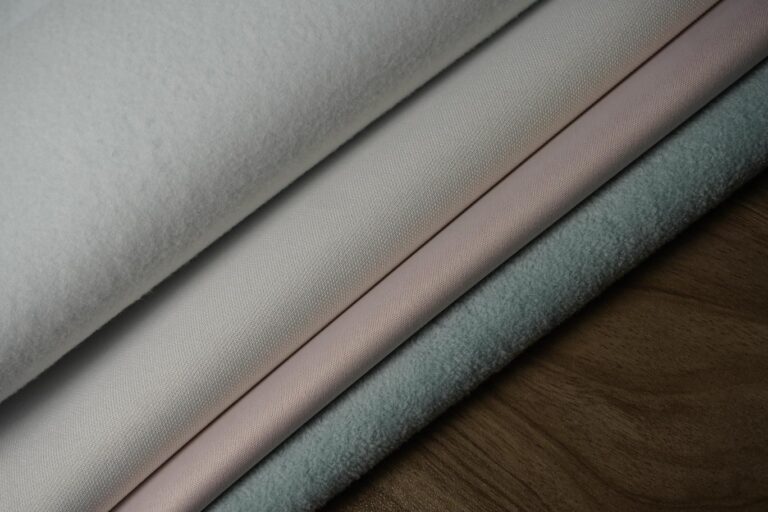
Folded texture detail — the spine area where most PU menu covers crack first under daily cleaning stress.
In our Martindale abrasion testing across hospitality-grade materials, silicone leather sustained 200,000+ cycles without surface degradation. PU leather typically reaches its wear limit at 20,000-30,000 cycles — and that’s before factoring in chemical breakdown from alcohol. When you run the numbers on a 500-unit order across 50 locations, replacing PU covers every 8 months at $6 per unit adds $45,000 in material costs alone over five years. That’s the hidden tax nobody puts on the spec sheet.
Key finding: PU menu cover leather fails not from physical wear but from chemical degradation. Alcohol disinfectants dissolve the plasticizer that keeps PU flexible — the same mechanism that causes PU furniture to peel, accelerated by daily menu sanitation.
Silicone vs PU Menu Cover Leather: Which Survives 5,000 Cleanings?
When I started evaluating durable menu cover leather for high traffic restaurants, I needed a material that could survive both the physical handling (500+ table presentations per week) and the chemical cleaning (alcohol, bleach, quat disinfectants). The comparison came down to three options, and the data was clear:
| Material | Alcohol Disinfectant | Lifespan in Daily Use | FDA 21 CFR 177.2600 | 5-Year TCO per Unit |
|---|---|---|---|---|
| PU Leather | Cracks, plasticizer leaches | 2-4 years | Not compliant | $45-65 |
| Genuine Leather | Dries out, needs conditioning | 5-8 years | Not compliant | $80-120 |
| Silicone Leather | No degradation, bleach-safe | 10+ years | Compliant | $35-50 |

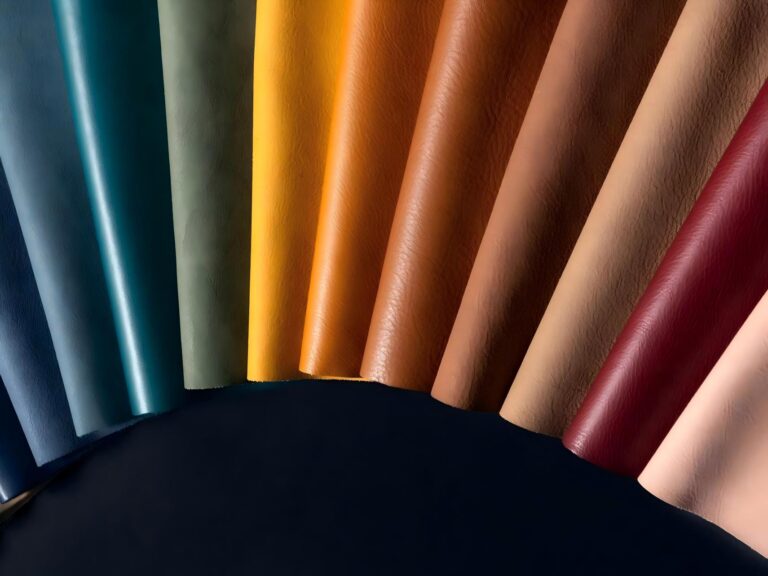
Color and texture options for silicone leather menu covers — Pantone-matched branding with embossed logos.
One of our hospitality clients switched from PU to silicone leather menu covers across 80 locations. Eighteen months in, zero replacements needed — down from their previous 6-month PU replacement cycle. The upfront cost per unit was higher, but the 5-year total cost of ownership dropped by 40%. That’s the kind of math procurement directors actually care about.
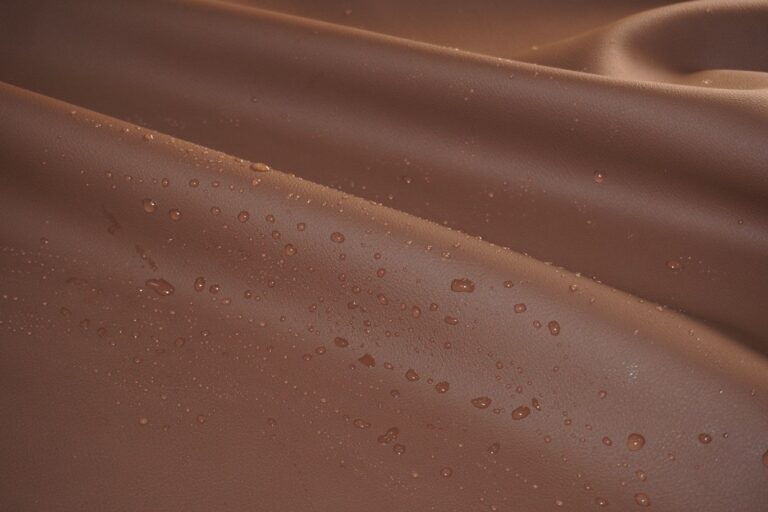
Watch how silicone leather handles food-safe cleaning — no surface degradation after repeated alcohol and bleach disinfection.
FDA and HACCP Compliance: What Your Menu Cover Material Must Pass
Here’s what most procurement teams miss: menu covers touch tables, hands, and occasionally food. Under FDA HACCP guidelines, any surface in a food service environment that could contact food must be cleanable and non-toxic. PU leather contains plasticizers and residual solvents that can leach under repeated cleaning. Genuine leather requires conditioning oils that aren’t food-safe. Neither material passes FDA 21 CFR 177.2600 extraction testing for food-contact surfaces.
Silicone leather is a different story. The material is inherently non-toxic, contains zero plasticizers, and passes FDA 21 CFR Part 177.2600 extraction testing — meaning it’s certified safe for direct food contact. For a leather menu cover cleaning protocol that involves alcohol spray, bleach wipes, or quat disinfectants, silicone leather won’t degrade, leach chemicals, or transfer substances to the paper menu inside. That’s not a marketing claim — it’s a certified test result from SGS laboratories.

B2B sample display — hospitality buyers can request A4 swatches for tactile evaluation before bulk orders.

Restaurant interior — the same silicone leather used for menu covers extends to seating, creating consistent brand material across all guest touchpoints.
Customization Options: Embossing, Colors, and Texture for Brand Identity
Menu covers are brand touchpoints — the first thing a guest touches before they see your food. That means your menu cover leather needs to support debossed logos, brand-matched colors, and texture options that align with your restaurant’s identity. Silicone leather offers 100+ embossing textures (cowhide, pigskin, sheepskin patterns) and unlimited Pantone-matched colors with Delta E ≤ 1.0 color accuracy. Custom embossing rollers are produced in 7-10 days, which matters when you’re launching a new concept or refreshing across multiple locations simultaneously.
Dark tones — black, cognac, dark brown — remain the practical choice for high-traffic venues because they hide finger marks and cleaning residue. But if your brand calls for lighter tones, silicone leather’s solvent-free formulation means even white covers can be wiped clean with bleach without yellowing — something PU and genuine leather cannot do.
Frequently Asked Questions
Can you clean leather menu covers with alcohol disinfectant?
PU leather and genuine leather degrade under repeated alcohol disinfectant exposure — PU cracks within months, and genuine leather dries out and requires conditioning. Silicone leather is the only menu cover material that’s fully compatible with 70% alcohol, bleach solution, and quat disinfectants without surface degradation. It’s also FDA 21 CFR 177.2600 certified for food-contact safety.
How long do silicone leather menu covers last in a busy restaurant?
In our testing, silicone leather sustains 200,000+ Martindale abrasion cycles with no surface degradation. Under daily restaurant use with standard cleaning protocols, silicone leather menu covers have a projected 10+ year service life — compared to 2-4 years for PU and 5-8 years for genuine leather. One hospitality client reported zero replacements needed after 18 months across 80 locations.
The Bottom Line on Menu Cover Leather
The menu cover leather you choose isn’t just a branding decision — it’s a sanitation compliance decision and a multi-year cost decision. PU leather looks good on day one but fails under the cleaning protocols every restaurant now follows. Genuine leather lasts longer but isn’t food-contact compliant and requires maintenance oils that aren’t sanitizer-safe. Silicone leather is the only option that survives daily disinfection, passes FDA food-contact testing, and delivers a lower 5-year TCO than both alternatives — all while supporting the same debossed logos and brand-matched colors your design team expects. If you’re sourcing menu cover leather for your next restaurant rollout, the material spec matters more than the unit price.
Request Menu Cover Samples with FDA Documentation
About TOPSUN
TOPSUN manufactures FDA-compliant silicone leather for menu covers, restaurant seating, and food-contact surfaces where daily sanitation is non-negotiable — serving hospitality groups, hotel chains, and cruise lines across 100+ brands worldwide.
With 200,000+ Martindale abrasion cycles, alcohol and bleach disinfection compatibility, FDA 21 CFR 177.2600 certification, 100+ embossing textures, and Pantone-matched color accuracy (Delta E ≤ 1.0), our silicone leather keeps hospitality branding intact through years of daily cleaning.