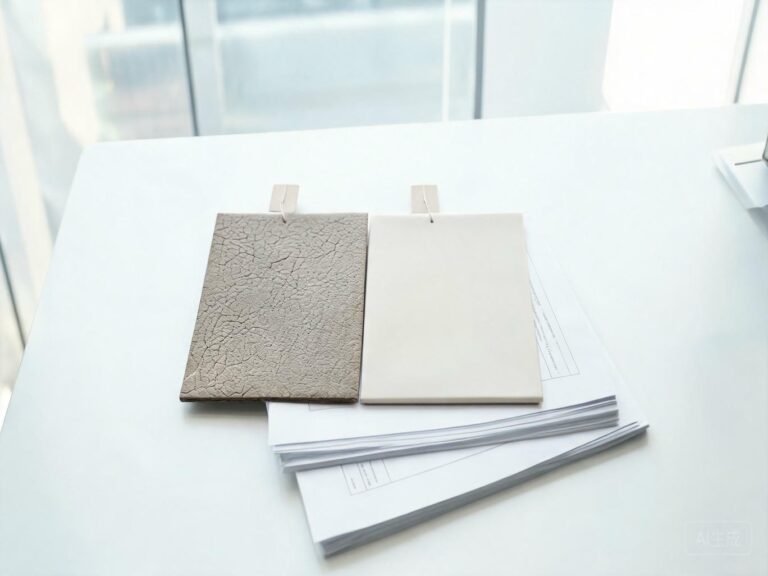
A single chrome-tanned leather pelt can require up to 500 liters of water to process, with 40-50% of chromium salts ending up in wastewater rather than in the leather itself. When procurement teams factor in environmental compliance costs, the price gap between leather pelts and silicone leather shrinks fast. The question isn’t whether silicone is more sustainable — it’s whether you can afford the compliance risk of sticking with animal hides.
The compliance math: Chrome tanning wastes 40-50% of chromium salts into wastewater. Under tightening REACH regulations, the cost of non-compliance — both financial and reputational — keeps climbing. Silicone leather bypasses the entire pelt-to-tanning supply chain with zero VOC, zero solvents, and zero chromium.
What Leather Pelts Actually Cost B2B Buyers
The global raw hides market is growing at 5.8% CAGR through 2030, driven by demand in leather manufacturing, fashion, and upholstery. But growth doesn’t mean stability. Cow hide prices fluctuate with meat industry output, feed costs, and weather events — factors that have nothing to do with your production schedule. A 10% swing in raw hide pricing can wipe out a quarter’s margin if you’re locked into fixed-price contracts with downstream buyers.
Then there’s the waste math. Raw cowhide costs roughly $10 per total square foot, but only 40 of 50 square feet are usable after trimming — a 20% loss before tanning even begins. Add processing chemicals, water treatment, and chrome waste disposal, and the real cost per usable square foot climbs well above the sticker price. B2B buyers who compare this to silicone leather’s stable petrochemical feedstock and zero-waste coating process often rethink what “cheaper” means.

Cost-per-year comparison reveals a different story than unit-price comparison.
The Environmental Compliance Risk of Leather Pelts
Chrome tanning remains the dominant method for processing leather pelts, and it’s also the dominant source of environmental liability. Research consistently identifies the tanning stage as the largest contributor to leather’s environmental footprint, with 40-50% of chromium salts not absorbed by the hide and released into wastewater. Under tightening regulations like REACH chemical safety requirements, the cost of non-compliance — both financial and reputational — keeps climbing.
In our production process, we’ve eliminated chromium, solvents, and plasticizers entirely. Every meter of eco-friendly silicone leather is PVC-free, phthalate-free, and zero-VOC — which means no tanning wastewater, no chrome disposal, and no REACH restricted-substance list to chase. The compliance risk drops to near zero because the hazardous inputs don’t exist in the first place.
For a deeper look at where natural leather falls short on sustainability metrics, our natural leather sustainability gaps analysis breaks down the data point by point.

Silicone leather’s coating process bypasses the entire pelt-to-tanning supply chain.
Silicone Leather vs Traditional Hides: A Spec Comparison
The performance comparison between chrome-tanned pelts and silicone leather reveals where the material science gap actually lives. It’s not in handfeel or aesthetics — both can match — but in durability, maintenance, and lifecycle cost.
Our silicone leather has been tested to 200,000+ Martindale abrasion cycles, verified by SGS — a number that chrome-tanned leather rarely approaches without a heavy surface coating that itself degrades. For the broader material landscape, the silicone vs PU comparison shows similar performance advantages across UV resistance and hydrolysis.

Tensile strength testing quantifies what visual inspection cannot.
| Attribute | Leather Pelts (Chrome-Tanned) | Silicone Leather | B2B Impact |
|---|---|---|---|
| Service Life | 3-5 years | 10+ years | Replacement frequency halved |
| Environmental Compliance | Chromium wastewater, REACH risk | Zero VOC, solvent-free | Regulatory exposure eliminated |
| Supply Chain Stability | Raw hide price volatility | Stable petrochemical feedstock | Budget predictability |
| Maintenance Cost | Conditioning, protectants needed | Water-cleanable, no protectants | Ongoing operational savings |
Over a 10-year horizon, leather pelts require two replacement cycles. Silicone leather requires zero. That’s the spec that changes procurement decisions.
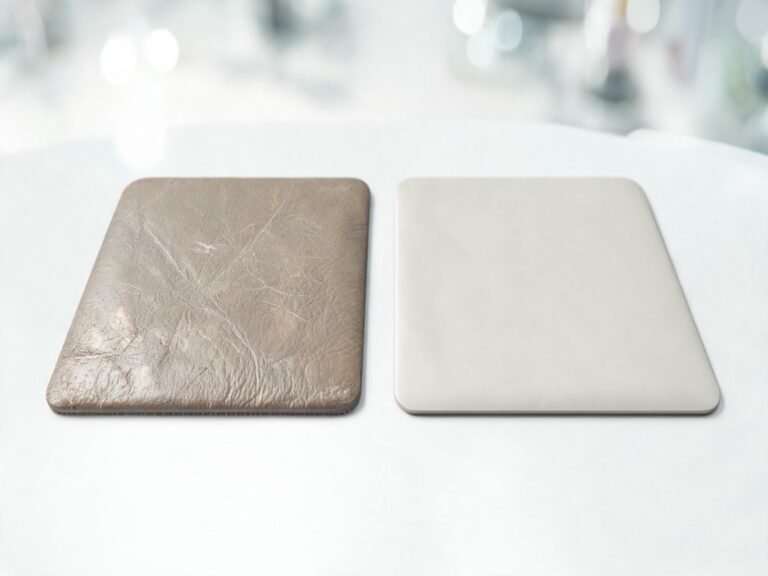
Material comparison: see how silicone leather outperforms traditional hide materials across key specs.
Supply Chain Volatility and Raw Hide Price Swings
Raw hide prices track the meat industry, not the leather market. When feed costs spike or disease outbreaks cull herds, hide supply tightens and prices jump — with a 6-12 month lag before alternatives reach your production line. Silicone leather’s feedstock comes from a stable petrochemical supply chain with transparent pricing and 7-15 day lead times. If you’ve been caught on the wrong side of a hide price swing, our leather hide supply chain risk analysis maps the exposure points in detail.
The Bottom Line on Leather Pelts in B2B Sourcing
Leather pelts served the industry well for centuries, but the compliance math has changed. Chrome tanning pollution, raw hide price volatility, and shorter service life make the traditional supply chain increasingly expensive to operate within regulated markets. Silicone leather doesn’t just match the performance specs — it eliminates the environmental and supply chain risks that keep procurement managers up at night. For B2B buyers evaluating leather pelts against modern alternatives, the question to ask suppliers is simple: can you guarantee 10 years of compliance-free performance?
About TOPSUN
TOPSUN manufactures PVC-free, solvent-free silicone leather that bypasses the entire pelt-to-tanning supply chain for automotive, furniture, and medical applications. Our 60,000+ m² facility operates 10+ automated coating lines producing 500,000+ meters monthly for 100+ brands worldwide.
Zero VOC emissions, 100% recyclable, REACH compliant, and ISO 10993-5 biocompatibility certified — verified by SGS with Martindale results exceeding 200,000 cycles, UV resistance 1,000+ hours, and salt-spray resistance 1,000+ hours. Thickness 0.23-2.0mm, width 1350-1800mm, 100+ embossed textures available.
We offer free A4 swatch samples shipped worldwide via DHL/FedEx. Request samples | Eco-friendly materials | Get a custom quote
Frequently Asked Questions
Are leather pelts still legal to import into the EU?
Yes, but chrome-tanned pelts face increasing restrictions under REACH. Chromium(VI) compounds are on the SVHC list, and finished articles containing more than 3 mg/kg Cr(VI) require a compliance warning. Tanneries must demonstrate wastewater treatment compliance, and buyers should request full REACH conformity documentation before importing.
How does silicone leather compare to leather pelts in durability?
Silicone leather lasts 10+ years versus 3-5 years for chrome-tanned pelts. Our material achieves 200,000+ Martindale abrasion cycles and 1,000+ hours of UV resistance — both verified by SGS. It also requires no conditioning or protectants, which eliminates ongoing maintenance costs throughout the service life.
Switch to Compliance-Free Leather
Get free A4 swatch samples of silicone leather and compare against your current hide supplier. Zero chromium, zero VOC, zero compliance risk.
Download Eco-Friendly Spec Sheet
Read our natural leather sustainability gaps analysis or see our eco-friendly silicone leather technology.