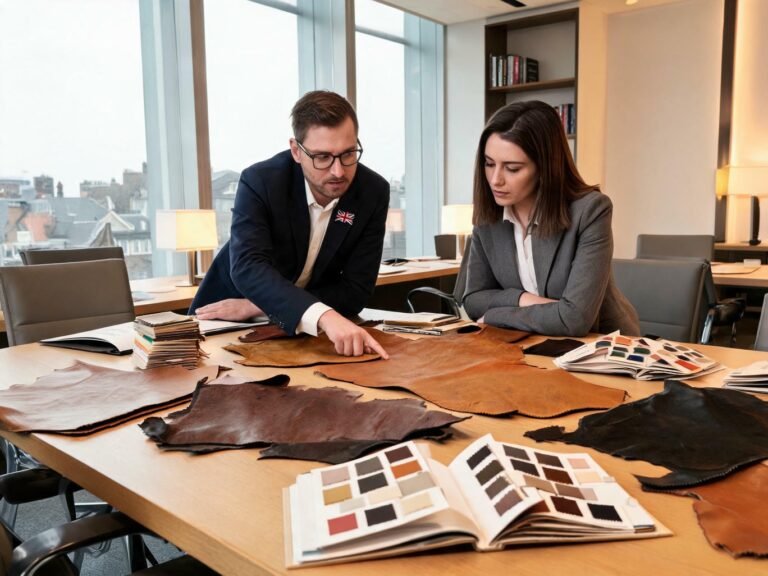
The story of US leather tanneries is a story of decline measured in decades. According to the EPA, the number of tanneries operating in the United States has decreased significantly over the past 40 years, driven by three forces: the development of synthetic substitutes, increased leather imports, and environmental regulation. Pennsylvania, Massachusetts, New York, and Wisconsin — once the heart of American tanning — now account for less than half of a shrinking domestic capacity. For B2B buyers who historically sourced leather from US tanneries, this trend raises a pressing question: is domestic leather sourcing still viable, and if not, what is the alternative?
The Three Forces Driving Tannery Closures
The EPA identifies three structural forces behind the decline of US leather tanneries. Understanding each is essential for B2B buyers making sourcing decisions today:
1. Environmental regulation. The Clean Water Act of 1972 was, in the words of industry historians, “the definitive line” for many US tanneries. The law required tanneries to install their own effluent treatment systems — investments that often exceeded $1 million per facility. Many tannery owners, already losing business to cheaper overseas suppliers, saw no economic case for the investment and closed. Those that survived face ongoing EPA oversight of wastewater discharge, air emissions from finishing operations, and chromium-containing waste disposal. The compliance burden is permanent and increasing. For analysis of sustainability gaps in natural leather, see our sustainability gaps report.
2. Synthetic substitution. The development of PU, PVC, and now silicone leather has given B2B buyers material alternatives that do not require animal hides, chrome tanning, or the environmental infrastructure that traditional tanneries depend on. Synthetic leather manufacturing uses coating and lamination processes — not tanning — which are cleaner, more scalable, and less geographically constrained. For a technical comparison, see our silicone vs PU analysis.
3. Import competition. Lower labor costs and less stringent environmental enforcement in Asia, South America, and India made imported leather significantly cheaper than domestically tanned material. As import channels matured, US tanneries that could not compete on price or could not differentiate on quality were squeezed out. The remaining US tanneries survive by focusing on premium, specialty, and traceable-leather niches — not volume production.
The Current State: Who Is Left and What They Make
The US leather tanneries that remain operational have positioned themselves in specific market segments. According to the Bureau of Labor Statistics and industry analysis, surviving tanneries typically invest in automated processing equipment and environmental compliance infrastructure, focusing on:
| Segment | Description | Typical Customer | Price Position |
|---|---|---|---|
| Premium full-grain | High-end upholstery, luxury goods | Luxury brands, heritage furniture | $15–40+/sq ft |
| Specialty/vegetable-tanned | Belts, wallets, equestrian | Craft brands, artisan goods | $8–20/sq ft |
| Traceable/branded | Story-driven marketing leather | Sustainability-focused brands | $12–30/sq ft |
| Chrome-tanned volume | Mid-range upholstery, goods | Regional furniture brands | $4–10/sq ft (limited capacity) |
The pattern is clear: US leather tanneries no longer compete on volume or price. They compete on quality, traceability, and niche positioning. For B2B buyers who need volume — furniture manufacturers, automotive Tier 1s, contract furniture companies — domestic tannery capacity is insufficient. The question is not whether to source domestically, but what alternative offers comparable or better quality at the scale B2B production requires.
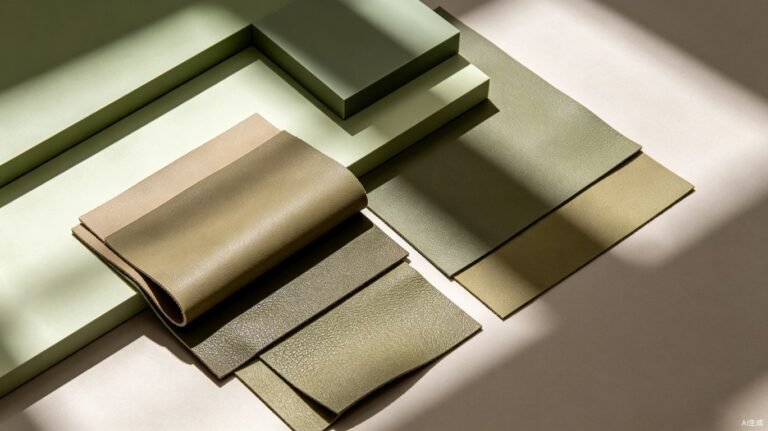
Silicone leather manufacturing bypasses the tanning process entirely. Using a solvent-free dry coating process on textile substrates, it produces leather-grade material without animal hides, without chromium waste, and without EPA effluent treatment infrastructure — at a scale of 500,000+ meters per month that no US tannery can match.
The Environmental Cost Gap: Tanning vs. Coating
The environmental regulation that closed US tanneries is not an arbitrary burden — it reflects a real environmental cost. Chrome tanning generates chromium-laden wastewater, sulfide emissions, and solid waste that requires specialized disposal. The EPA’s pretreatment standards for leather tanning cover six subcategories of pollutants, including chromium, sulfide, and total suspended solids. Compliance requires capital investment in recovery systems, treatment plants, and monitoring infrastructure.
Silicone leather manufacturing uses none of these processes. The solvent-free dry coating process produces zero VOC emissions, generates no chromium waste, and requires no effluent treatment. The environmental compliance cost that drove US tanneries out of business does not exist in the silicone leather production model. For B2B buyers who need to report Scope 3 emissions, REACH compliance, and sustainability metrics to their own customers, this is not a minor advantage — it is a structural competitive benefit. For more on our environmental credentials, see our eco-friendly silicone leather page.
The Sourcing Decision: US Tannery vs. Silicone Leather Alternative
For B2B buyers evaluating whether to continue sourcing from US leather tanneries or switch to silicone leather, the decision comes down to four factors:
| Factor | US Tannery (Genuine Leather) | TOPSUN Silicone Leather |
|---|---|---|
| Monthly capacity | Limited — niche runs, 4–8 week lead | 500,000+ m/month, 7–15 day lead |
| Environmental compliance | EPA pretreatment, chromium waste | Zero VOC, solvent-free, no effluent |
| Material consistency | Natural variation (hide-to-hide) | Engineered consistency, ΔE ≤ 1.0 |
| Service life | 5–10 years (requires conditioning) | 10+ years (maintenance-free) |
| Certifications | LWG (audit-based) | ISO 10993, REACH, FDA, EN 13773 |
| Price stability | Hide market volatility | Engineered material, stable pricing |
The Hide Market Volatility Factor
One factor often overlooked in the US tannery sourcing decision is raw material price volatility. Genuine leather is a byproduct of the meat industry — hide prices fluctuate with cattle markets, feed costs, drought conditions, and consumer dietary shifts. In 2023, US hide prices swung 40% in a single quarter due to herd liquidation driven by drought. B2B buyers who source from US tanneries absorb that volatility in their material costs, making product pricing unpredictable across product cycles.
Silicone leather is an engineered material — its input costs (silicone polymer, textile substrate, pigments) are industrial commodities with stable, predictable pricing. There is no cattle market, no hide grading, no seasonal supply variation. For B2B brands that need to hold price quotes for 12–24 months, this stability is a strategic advantage. For more on supply chain risk in hide-based leather, see our hide supply chain risk analysis.
Eco-certifications overview — silicone leather’s zero-VOC, solvent-free process eliminates the environmental compliance costs that drove US tannery closures.
Frequently Asked Questions
Are there any US leather tanneries that can supply B2B volume production?
A few US tanneries maintain volume capacity for chrome-tanned leather, but it is limited and typically allocated to existing long-term customers. Most surviving US tanneries focus on premium, specialty, and traceable-leather niches with small-batch production. If you need 5,000+ meters per month of consistent leather material, domestic tannery capacity is unlikely to meet your volume requirements — and the price per square foot will be significantly higher than engineered alternatives.
Is silicone leather a realistic replacement for genuine leather from US tanneries?
For most B2B applications — furniture, automotive, electronics, medical — yes. Silicone leather matches or exceeds genuine leather on Martindale abrasion (200K+ cycles), UV resistance (1,000+ hours), temperature range (-40°C to 250°C), and cleanability (bleach-safe). The one area where genuine leather retains an edge is the natural grain pattern and patina development over time. If your product’s value proposition depends on “real hide” aesthetics, genuine leather from a US tannery may still be appropriate. If your product needs consistent, durable, certifiable material at volume, silicone leather is the superior choice.
The End of an Era, the Start of Another
The decline of US leather tanneries is not a temporary disruption — it is a 40-year structural trend driven by environmental economics, synthetic substitution, and global competition. The tanneries that remain serve premium niches that most B2B volume buyers cannot access or afford. The future of leather-grade material sourcing for furniture, automotive, and consumer products lies not in reviving a declining domestic tannery industry, but in adopting engineered material platforms that deliver leather-level performance without the environmental, capacity, and price-volatility constraints of the tanning process. Silicone leather is that platform — and it is available today at the scale, consistency, and certification level that B2B production requires.
About TOPSUN
TOPSUN manufactures silicone-coated leather as an alternative to traditional tannery-sourced material — providing B2B buyers with a scalable, environmentally compliant, and price-stable leather platform that does not depend on the declining capacity of US leather tanneries.
With a solvent-free dry coating process that eliminates the environmental compliance costs of tanning, 500,000+ meters of monthly capacity, and certifications including ISO 10993, REACH, and FDA compliance, our silicone leather platform delivers what domestic tannery sourcing no longer can: volume, consistency, and sustainability at B2B scale.