“Performance leather” has become one of those marketing terms that means everything and nothing. Every supplier claims their material is “high-performance.” But when you strip away the branding, what separates genuine performance leather from standard upholstery material comes down to measurable, testable specifications. If a supplier can’t provide third-party verified data for these specs, you’re buying marketing — not performance.
In our procurement consulting work, we’ve audited hundreds of material spec sheets. The pattern is consistent: suppliers who genuinely engineer for performance provide complete test data from accredited labs. Those who don’t, hide behind vague claims like “premium grade” or “commercial duty.” Here’s the 7-spec framework we use to evaluate every material before recommending it to OEM clients.
Request Performance Spec Sheets
What “Performance Leather” Actually Means
Performance leather isn’t a material type — it’s a performance tier. It refers to any leather or synthetic leather that meets elevated specifications across multiple test dimensions simultaneously: abrasion resistance, tensile strength, UV stability, thermal tolerance, flame retardancy, and chemical resistance. The key word is “simultaneously.” A material that excels in one dimension but fails in another isn’t performance leather — it’s a one-trick material with a marketing budget.
The academic literature backs this up. A comparative study published in the journal Coatings found statistically significant differences between natural and synthetic leather across multiple performance dimensions — but also found that no single material type dominated every category. Genuine leather leads in tensile strength. Microfiber leads in seam strength. Silicone leather leads in abrasion and UV. True performance leather combines these strengths into a single material, which is exactly what silicone chemistry achieves.

Physical testing lab — where performance claims become verified data or marketing fiction
7 Critical Specs That Define True Performance
These are the non-negotiable specs. If a supplier can’t provide SGS or Intertek verified data for all seven, the material isn’t performance grade — regardless of what the product page says.
| Spec | Minimum Standard | Genuine Leather | PU Synthetic | Silicone Leather |
|---|---|---|---|---|
| Martindale abrasion | ≥50,000 cycles | 25K–60K | 20K–50K | 200K+ |
| Tensile strength | ≥10 N/mm² | 15–25 N/mm² | 7–12 N/mm² | 10–15 N/mm² |
| UV resistance | ≥500 hrs, Grade 4 | 200–400 hrs | 200–500 hrs | 1,000+ hrs |
| Temp range | -20°C to 80°C | -20°C to 80°C | -20°C to 80°C | -40°C to 250°C |
| VOC emission | <50 µg/m³ | Moderate | Contains solvents | Zero |
| Flame retardancy | FMVSS 302 / EN 13773 | Flammable | Flammable | Self-extinguishing |
| Flex endurance | ≥20,000 cycles | 7K–10K | 15K–30K | 50K–100K |
The data tells a clear story. Genuine leather wins on tensile strength but falls short on UV, flex, and flame retardancy. PU is adequate but unexceptional across the board. Silicone leather is the only material that exceeds the minimum standard in every single category — not by a small margin, but by 2–10× depending on the spec. That’s what “performance” should mean. See our detailed silicone vs PU comparison for additional technical context.

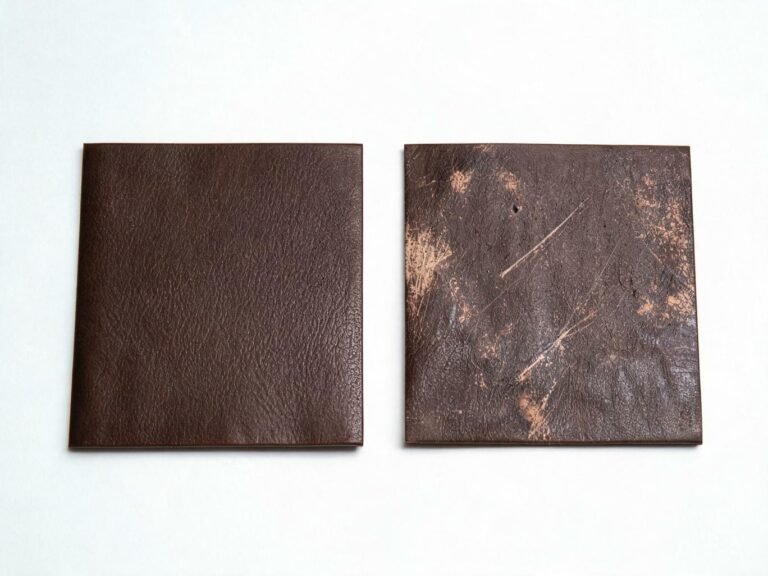
Tensile strength testing — one of 7 specs that separate real performance leather from marketing claims
Performance Leather vs Standard Leather: The Data Gap
The gap between “standard” and “performance” isn’t incremental — it’s categorical. Standard upholstery leather typically delivers 20,000–50,000 Martindale cycles and begins UV degradation within 200–400 hours. Performance leather should deliver 5–10× those numbers. The cost difference between the two tiers is usually 20–40% on material price, but the lifecycle cost difference runs the opposite direction: performance leather eliminates replacement cycles, warranty claims, and brand damage from premature failure.
In one project we consulted on, a hospitality brand had specified standard PU leather for 500 hotel room headboards. The material cost savings versus performance-grade silicone leather was approximately $12 per room. Eighteen months later, the PU was cracking at the edges where guests propped pillows against it. The replacement cost — including material, labor, room downtime, and guest compensation — came to $180 per room. That $6,000 in upfront savings turned into $90,000 in replacement costs. The SGS test data we’d provided during the original evaluation had predicted this exact failure mode — but the procurement team had prioritized upfront cost over verified performance.
Procurement insight: The 20–40% premium for performance leather is recovered within 2–3 years through eliminated replacement and warranty costs. After that, every additional year of service life is pure savings.
Where High-End Materials Earn Their Premium
Not every application needs performance leather. A decorative accent panel that never gets touched? Standard material is fine. But for any surface that experiences repeated mechanical stress, environmental exposure, or cleaning cycles, performance leather pays for itself. The highest-ROI applications include:
- Marine and outdoor: UV, salt spray, and humidity destroy standard materials in 1–2 years. Performance silicone leather survives 1,000+ hours of salt spray with zero degradation — critical for marine and outdoor applications.
- Commercial furniture: High-traffic seating in hotels, restaurants, and offices needs 200K+ abrasion cycles to avoid visible wear within the warranty period.
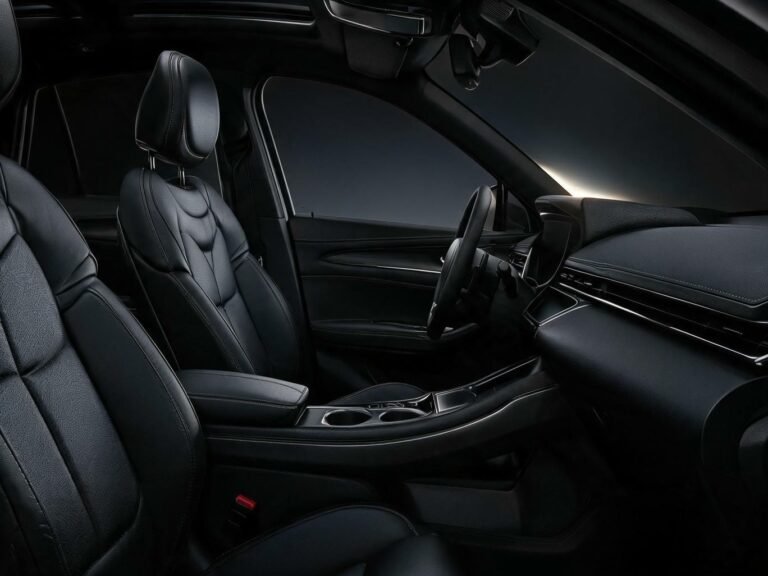
- Automotive interiors: Cabin temperatures reach 70°C+ in parked vehicles. Materials that can’t handle thermal cycling will crack, peel, and off-gas.
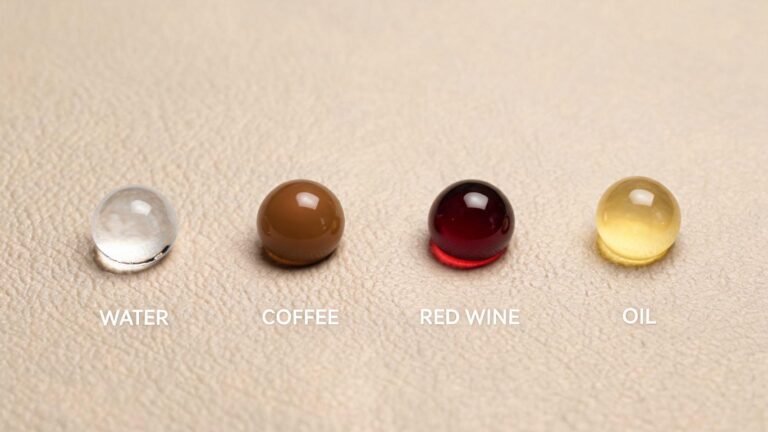
- Medical and healthcare: Surfaces that require repeated disinfection with alcohol and bleach need materials that don’t degrade under chemical exposure.

Color fastness testing — verifying UV resistance claims with standardized light exposure
Sourcing Performance Leather: Red Flags to Watch
When evaluating suppliers, watch for these red flags. They’re reliable indicators that a “performance” claim won’t hold up under testing.
- No lab name on test reports: “Tested to ISO standards” without naming the lab is meaningless. Require SGS, Intertek, or equivalent accredited lab reports.
- Partial test data: If a supplier provides Martindale but not UV data, assume the UV performance is poor. Complete data sets indicate confidence; partial data indicates selective reporting.
- “Up to” language: “Up to 100,000 cycles” often means the material fails at 100,001. Ask for the guaranteed minimum, not the ceiling.
- No batch consistency data: Performance leather should deliver consistent results across production batches. Require Delta E ≤ 1.0 color data and batch-to-batch Martindale variance reports.
- Missing flame retardancy certs: If a supplier claims “flame retardant” but can’t cite FMVSS 302, EN 13773, or FAR 25.853 test numbers, the claim is unverified.
Our factory production standards include full test traceability for every batch.
For real-world durability data, see our synthetic leather durability analysis — it covers the same specs from an end-user perspective.
For a broader perspective on what makes a material truly durable, our most durable leather ranking covers multiple material families ranked by verified performance data.
Engineering project durability — how performance specs translate to real-world service life
Frequently Asked Questions
What thickness should performance leather be for commercial furniture?
For commercial furniture, specify 1.0–1.5mm minimum. Thinner materials (below 0.8mm) lack the structural body to resist tearing at seams and stress points under heavy use. For automotive seating, 1.2–1.4mm is the OEM standard. For decorative panels with minimal contact, 0.8mm is acceptable. Always pair thickness with tensile strength data — a thick material with low tensile strength will still tear under load.
Can performance leather be flame-retardant without chemical additives?
Yes — but only with silicone-based materials. Silicone leather is inherently self-extinguishing due to its Si-O molecular backbone. It requires no added flame retardant chemicals to pass FMVSS 302, EN 13773 Class 4, or FAR 25.853. PU and PVC, by contrast, require chemical flame retardant additives that can leach out over time — meaning their flame retardancy degrades while silicone’s does not.
Specifying Performance Leather With Confidence
The performance leather category will only grow as B2B buyers demand materials that last longer, perform better, and carry verifiable data. The brands that win will be the ones who specify based on test data, not marketing copy. Use the 7-spec framework, demand accredited lab reports, and don’t accept partial data as sufficient. The upfront cost of performance-grade material is always less than the lifecycle cost of material failure — and with silicone leather, that gap is measured in years, not months.
Schedule a Technical Consultation
About TOPSUN
TOPSUN manufactures performance leather engineered from silicone chemistry for B2B buyers who need materials that survive extreme conditions — from marine salt spray to automotive cabin heat to medical sterilization cycles.
200K+ Martindale cycles verified by SGS · Tensile strength ≥10–15 N/mm² · -40°C to 250°C operating range · Zero VOC per ISO 16000-6 · EN 13773 Class 4 flame retardancy