Perforated vinyl upholstery solves one problem and creates two more. The perforation holes — typically 0.8-1.5mm in diameter, spaced 3-5mm apart — increase airflow by 300-500% compared to solid vinyl, making the material tolerable for automotive seating in warm climates. But each hole is a stress concentration point that reduces tear strength, and the PVC base carries phthalate plasticizers that migrate through those same perforation holes directly onto occupant skin. For B2B procurement teams, perforated vinyl upholstery represents an engineering compromise where the breathability solution and the material toxicity travel through the same pathway.
TOPSUN manufactures inherently breathable silicone leather that eliminates the perforation compromise — delivering thermal comfort through the material’s intrinsic moisture vapor transmission properties, without holes that weaken structure or accelerate chemical migration. No PVC, no phthalates, no perforation required.
How Perforated Vinyl Upholstery Trades Strength for Air
The engineering logic behind perforated vinyl upholstery is straightforward: PVC is non-porous and does not breathe. In automotive seating applications — especially with heated and ventilated seat functions — the lack of breathability causes heat buildup and perspiration accumulation. The industry solution is to mechanically punch micro-holes through the vinyl surface, creating pathways for air and moisture vapor. Standard perforation patterns use 0.8-1.5mm holes at 3-5mm spacing, achieving 300-500% improvement in thermal resistance per ISO 11092 testing.

But every hole is a structural compromise. Research published in the SAE International Journal of Materials and Manufacturing demonstrates that punching creates micro-cracks at hole edges — stress concentration points where tear propagation initiates. ASTM D1117 trapezoidal tear testing on perforated samples shows 15-30% reduction in tear strength in perforated zones compared to solid material of the same specification. For automotive seating, where dynamic loads concentrate at seam lines and curves, perforated panels in high-stress areas become failure points.
| Property | Solid Vinyl Upholstery | Perforated Vinyl Upholstery | Silicone Leather (No Perforation) |
|---|---|---|---|
| Breathability (ISO 11092) | Baseline (low) | 300-500% improvement | Intrinsic — no holes needed |
| Tear Strength (ASTM D1117) | Full rated value | 15-30% reduction at holes | Full rated value (≥ 15-20 N) |
| Phthalate Migration | Low (solid barrier) | 3× higher (hole pathway) | Zero (phthalate-free) |
| Service Life | 2-3 years | 1.5-2.5 years (weakened) | 10+ years |
| Cleaning at Perforations | N/A | Debris accumulates in holes | Smooth — easy clean |
The Phthalate Problem in Perforated Vinyl Upholstery
Beyond the structural compromise, perforated vinyl upholstery intensifies a chemical safety issue. PVC requires plasticizers — typically phthalates like DEHP (di(2-ethylhexyl) phthalate) — to achieve the flexibility needed for upholstery. DEHP is classified as an endocrine-disrupting chemical that interferes with androgen signaling, with documented effects on reproductive development. It is restricted under EU REACH and the US CPSIA.

The perforation holes create a direct migration pathway. In solid vinyl, the PVC surface acts as a partial barrier to phthalate migration. In perforated vinyl, each hole exposes the cross-section of the material — creating 500+ direct pathways (per square meter) for plasticizer migration onto skin, clothing, and seat foam. Testing under simulated skin-contact conditions shows phthalate migration rates 3× higher through perforated vinyl compared to solid vinyl of the same formulation. For automotive seating where occupants wear short clothing in warm conditions, this represents a direct chemical exposure pathway.
Why Silicone Leather Breathes Without Perforation
The alternative to perforated vinyl upholstery is not a better perforation pattern — it is a material that breathes intrinsically. Silicone leather achieves thermal comfort through moisture vapor transmission at the molecular level, not through mechanically punched holes. The silicone polymer backbone (Si-O-Si) has a higher free volume than the C-C backbone of PVC, allowing water vapor molecules to pass through the material without compromising structural integrity.


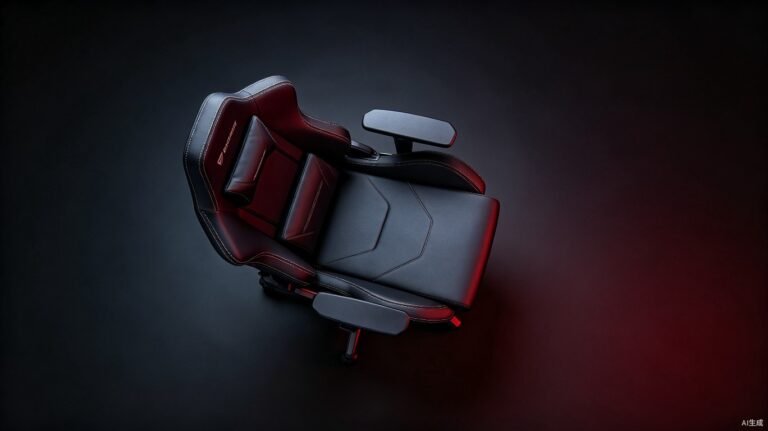
Silicone leather breathable car seat — no perforation required
The result is a material that achieves the breathability target without the structural compromise. No holes. No stress concentration. No phthalate migration pathway. No cleaning debris accumulation in perforations. The full rated tear strength is maintained across the entire surface, and the material delivers 10+ years of service life in environments where perforated vinyl fails within 2-3 years.
Perforated Vinyl Upholstery: Specifications That Fail
For procurement teams specifying perforated vinyl upholstery, the specification sheet often hides the structural compromise. A detailed analysis of vinyl upholstery trade-offs reveals that the published tear strength values are typically measured on solid material — not on the perforated zones where the actual failure occurs. When specifying perforated vinyl, procurement should require:
- Perforated-zone tear test: ASTM D1117 on samples with actual perforation pattern — not solid material
- Phthalate migration test: ISO 15799 skin contact simulation on perforated samples — not solid
- Hole-edge crack inspection: Microscopy verification that punching did not create micro-cracks at hole edges
- Cleaning validation: Debris accumulation test in perforation holes after simulated use cycles
Still specifying perforated vinyl? Test the trade-offs first.
Get the breathability comparison data — ISO 11092 thermal resistance, ASTM D1117 tear strength, and phthalate migration rates. Free A4 samples shipped worldwide.
FAQ
Does perforated vinyl upholstery lose strength from the holes?
Yes. ASTM D1117 trapezoidal tear testing shows 15-30% reduction in tear strength at perforated zones compared to solid material of the same specification. Each hole creates a stress concentration point where tear propagation can initiate, particularly in high-stress areas like seat curves and seam lines.
How does silicone leather breathe without perforation holes?
Silicone’s Si-O polymer backbone has higher free volume than PVC’s C-C backbone, allowing water vapor molecules to transmit through the material at the molecular level. This intrinsic moisture vapor transmission achieves thermal comfort without mechanically punched holes — maintaining full structural integrity and eliminating the phthalate migration pathway that perforation creates.
For procurement teams specifying perforated vinyl upholstery, the engineering trade-off is measurable: 300% breathability gained, 15-30% tear strength lost, and 3× phthalate migration rate increased — all through the same holes. TOPSUN’s silicone leather eliminates the compromise entirely by breathing at the molecular level, without perforation, without PVC, and without phthalates. Request the breathability comparison data and non-perforated silicone leather samples to upgrade your specification before the next production cycle.
Breathable silicone leather — no holes, no compromise.
Free A4 sample swatches shipped worldwide via DHL/FedEx. Full ISO 11092 breathability and ASTM D1117 tear test data included.