Treatment beds serve a dual purpose that few other furnishings must balance. They need to keep patients comfortable during extended sessions while surviving rigorous disinfection protocols between every appointment. That is the core challenge of treatment bed upholstery — finding a material that does not force you to trade comfort for hygiene, or vice versa. In this guide, we break down why silicone leather has become the preferred surface for physiotherapy clinics, spas, and hospitals, and what to look for when specifying materials for your next table project.
Request Free Upholstery Samples
The Dual Challenge: Patient Comfort Meets Clinical Hygiene
Every treatment surface faces two competing demands. Patients may lie on it for 30 to 90 minutes at a stretch, sometimes with minimal clothing, so the material must feel warm, soft, and skin-friendly. Yet the same surface needs to withstand wipe-downs with quaternary ammonium, isopropyl alcohol, or hypochlorite solutions between every patient — sometimes dozens of times per day.
Traditional vinyl and PU leather try to split the difference but usually fail at one end. Vinyl cracks under repeated chemical exposure. PU absorbs moisture over time, creating hidden reservoirs for bacteria. Neither breathes well, which is why patients often feel clammy after a session.
In our work with physiotherapy clinics across Europe, we have found that procurement teams consistently rank three things highest when evaluating a physical therapy table cover: cleanability, durability under disinfectants, and patient comfort. The reality is that most materials force you to pick two. A well-specified silicone leather surface is one of the few options that delivers all three without compromise.
Key takeaway: The best treatment table materials do not force a trade-off between patient comfort and clinical hygiene — silicone leather is engineered to deliver both simultaneously.
Why Silicone Leather Excels as Treatment Bed Upholstery
Silicone leather solves the comfort-hygiene trade-off through its molecular structure. Unlike PU or PVC, the silicone polymer is inherently hydrophobic and breathable — moisture vapor passes through while liquid water beads off. For a therapy bed material, this means patients stay comfortable during long sessions without that sticky, sweaty feeling that vinyl and PU produce.
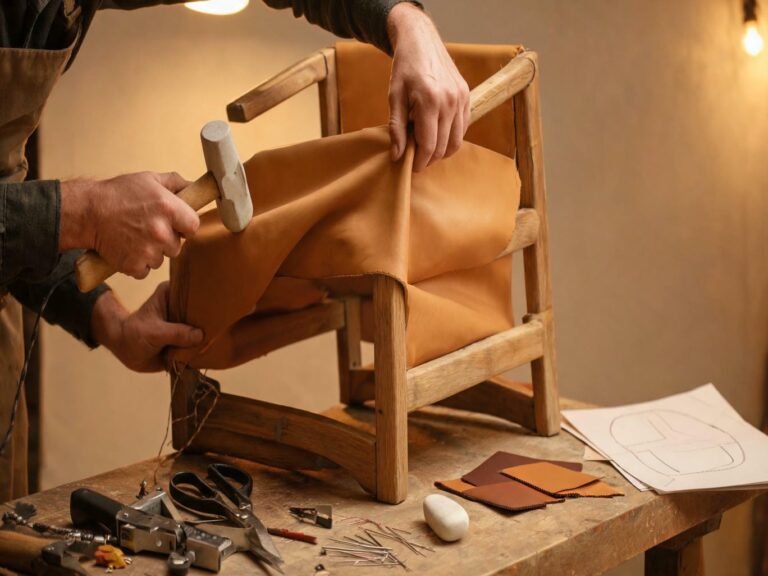
The softness profile also matters. Silicone leather maintains a supple hand feel across a wide temperature range, so the surface does not feel cold and rigid when a patient first lies down. Our flexibility bending tests confirm that the material withstands repeated flexing without surface cracking — a critical factor for treatment tables that are adjusted, folded, and repositioned dozens of times daily.

Flexibility bending test: silicone leather endures repeated folding without surface cracking, essential for adjustable treatment tables.
A case in point: one of our spa equipment clients switched from conventional PU to silicone leather on their treatment tables. Within six months, they reported a measurable drop in customer complaints about surface temperature and stickiness during hot-stone and massage sessions. The material’s breathability and thermal neutrality made the difference. For a deeper look at these properties, our breathable leather material guide covers the science in detail.
Biocompatibility is equally important. TOPSUN silicone leather is tested to ISO 10993 standards for biological evaluation of medical devices, confirming it is safe for prolonged skin contact. This matters for any medical-grade silicone leather upholstery application where patients with sensitive or compromised skin are involved.
See how TOPSUN silicone leather performs in real medical and healthcare environments.
Cleanability and Infection Control for Treatment Bed Upholstery
Infection control drives material selection for any clinical treatment table. The surface must tolerate daily exposure to hospital-grade disinfectants without degrading, staining, or losing its protective finish. Silicone leather excels here because it is non-porous at the surface level — nothing penetrates.
- No liquid absorption: spills and bodily fluids bead on the surface and wipe away completely
- Chemical resistance: tolerates isopropyl alcohol, quaternary ammonium, and sodium hypochlorite
- No plasticizer migration: the material will not become tacky or brittle after months of disinfectant exposure

Waterproof test: droplets sit on the silicone surface without spreading, enabling single-wipe contamination removal.
The waterproof test speaks for itself. Water droplets sit on the surface without spreading, which means a single wipe removes contaminants rather than pushing them deeper into the material. This is fundamentally different from porous or plasticized materials that allow gradual liquid ingress. For a broader comparison, our hospital bed upholstery material guide covers how different surfaces perform under real-world disinfection protocols.
| Property | Silicone Leather | PU Leather | PVC / Vinyl |
|---|---|---|---|
| Liquid absorption | None | Gradual | None (cracks over time) |
| Alcohol resistance | Excellent | Poor | Moderate |
| Hypochlorite resistance | Excellent | Poor | Poor |
| Plasticizer migration | None | Yes | Heavy |
| Breathability | Yes | No | No |
| Lifespan under daily disinfection | 5-7 years | 1-2 years | 2-3 years |
For procurement teams, the lifespan row is the bottom line. A surface that lasts five to seven years under daily disinfection — compared to one or two — dramatically reduces total cost of ownership. Explore our medical and healthcare applications to see the full range of compliant materials.
Key takeaway: Non-porous silicone leather enables single-wipe decontamination and withstands years of aggressive disinfectant exposure without degradation.
Customization Options for Treatment Table Fabric
Treatment environments vary, and so should the material specification. Whether you are sourcing treatment table fabric for a high-throughput physiotherapy clinic or a massage table material for a boutique wellness studio, customization drives both functionality and aesthetics.
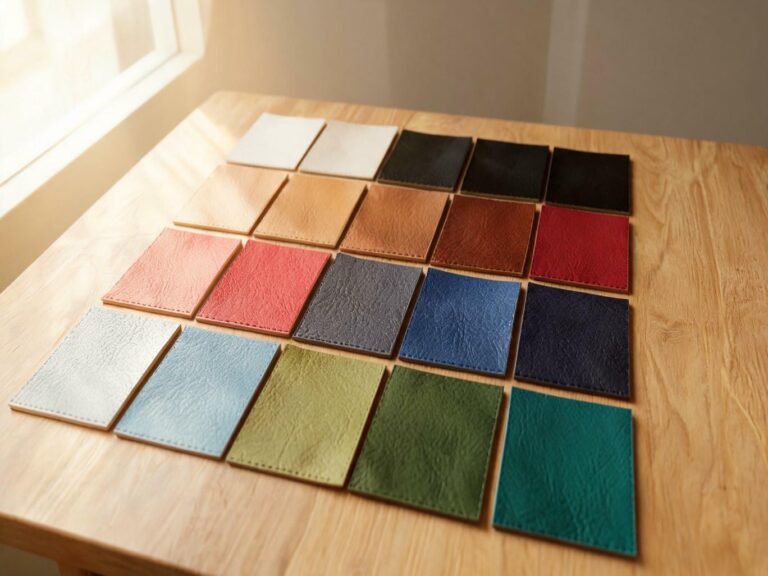
- Colors: warm neutrals, clinical blues, calming greens — custom Pantone matching available
- Textures: smooth, embossed, lychee grain, or perforated for enhanced breathability
- Thickness: 0.7mm to 2.0mm, balancing durability with drape and cushioning
- Backing: knit, woven, or foam-backed depending on the table’s cushioning system

Warm neutral swatches: mid-tone greens and grays are popular choices for treatment rooms, reducing visual stress for anxious patients.
The swatch range shown here reflects the warm, neutral palette that many healthcare designers prefer — tones that feel clinical without being sterile, and that hide minor stains between cleanings. We have found that mid-tone greens and warm grays are particularly popular for treatment rooms because they reduce visual stress for anxious patients.
The Right Material Means No Compromise
Choosing the right treatment bed upholstery means refusing to compromise between patient comfort and clinical hygiene. Silicone leather delivers breathable, skin-friendly comfort on one hand and non-porous, disinfectant-resistant cleanability on the other — backed by ISO 10993 biocompatibility testing. For procurement teams specifying materials for treatment tables, therapy beds, or massage tables, this is the material that lets you have both. The question is not whether you can afford silicone leather — it is whether you can afford the maintenance and replacement cycles of the alternatives.
About TOPSUN
TOPSUN is a specialized silicone leather manufacturer with deep expertise in medical and treatment upholstery. We supply custom-engineered, ISO 10993-compliant materials to treatment table manufacturers and healthcare facilities across Europe and the Americas.
Certifications: ISO 10993, FDA, REACH, RoHS