The leather vs faux leather debate is one of the most common — and most misunderstood — questions in B2B material sourcing. The conventional wisdom goes like this: genuine leather is premium, durable, and expensive; faux leather is cheap, plastic-y, and doesn’t last. But if your sourcing decisions are still based on that 20-year-old framework, you’re probably leaving money and performance on the table.
Here’s the truth: both categories have evolved dramatically. Today’s faux leather materials — particularly premium silicone and microfiber grades — can outperform mid-tier genuine leather on durability, cleanability, and consistency. Meanwhile, the genuine leather industry has been squeezed by supply chain volatility, rising hide costs, and tightening environmental regulations. As someone who has specified both materials for automotive OEMs and contract furniture brands over the past decade, I’ll give you an unbiased, data-driven comparison across the twelve criteria that actually matter for B2B sourcing decisions.
First: What We’re Actually Comparing
“Leather” and “faux leather” are not single materials — they’re broad categories with enormous internal variation. Comparing “genuine leather” to “faux leather” without specifying grades is like comparing “cars” to “trucks” without specifying models. Let’s define the playing field:
| Category | Grades / Types | Price Range |
|---|---|---|
| Genuine Leather | Full-Grain | $40–$80+/yd |
| Top-Grain | $25–$50/yd | |
| Split / Bonded | $8–$30/yd | |
| Faux Leather | PVC Vinyl | $2–$8/yd |
| PU Leather | $8–$30/yd | |
| Microfiber Synthetic | $20–$40/yd | |
| Silicone Leather | $25–$50/yd |
Notice the overlap? Top-grain genuine leather and premium silicone faux leather occupy the same price range. Split leather and standard PU leather also overlap. The idea that “genuine leather is always more expensive” is only true at the very top of the market. In the mid-range, you have meaningful choices on both sides — and the right choice depends on your specific application, not the label.

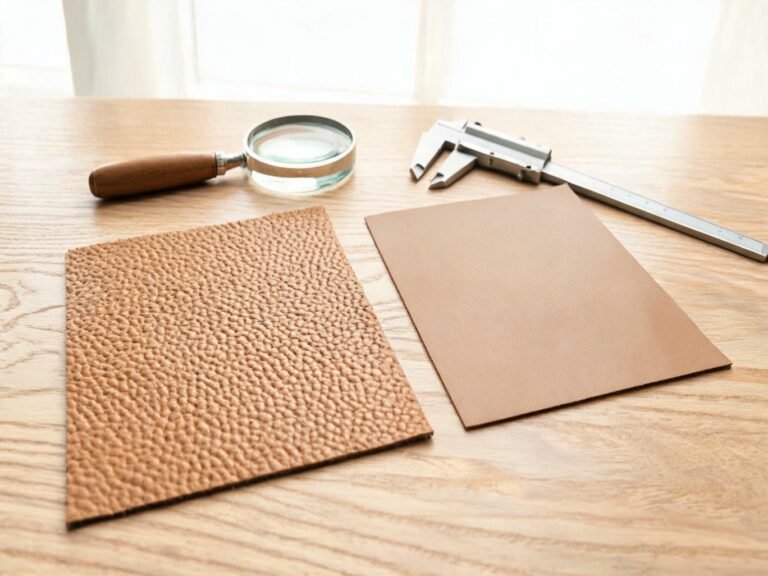
Comparing leather vs faux leather requires looking at specific grades, not just categories — the quality ranges overlap more than you might think.
12-Criteria Comparison: Leather vs Faux Leather
1. Durability & Lifespan
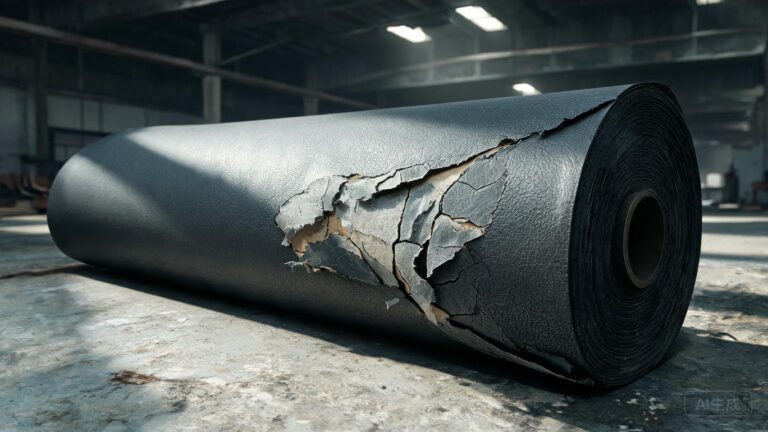
Full-grain genuine leather is the durability king — it can last 20+ years and develops a desirable patina. But below full-grain, the picture changes. Top-grain lasts 10–15 years, split leather 5–10 years, and bonded leather just 2–5 years. On the faux side, budget PVC lasts 2–3 years, standard PU 3–5 years, microfiber 5–8 years, and silicone leather 10–15+ years. Verdict: Full-grain genuine wins, but silicone faux leather matches or exceeds top-grain. The real story is that both categories have a massive quality spread — grade matters more than category.
2. Cost (Upfront)
Faux leather has a clear upfront cost advantage at the budget end — PVC costs 70–90% less than top-grain genuine. But in the premium tier, the gap narrows dramatically. Silicone leather ($25–$50/yd) is priced comparably to mid-grade genuine leather. Faux leather’s cost advantage also comes from production efficiency — it’s made in continuous 54″ wide rolls with automated cutting and minimal waste. Genuine leather is sold by the hide/side with irregular shapes that generate 20–30% waste in cutting. Verdict: Faux wins at the budget end; parity at the premium end.
3. Total Cost of Ownership
This is where the comparison gets interesting. Upfront cost is only part of the picture. When you factor in maintenance, replacement frequency, warranty claims, and disposal costs, the rankings shift. Genuine leather requires regular conditioning, is prone to staining, and when it fails, you’re replacing expensive material. Premium faux leather (especially silicone) needs virtually no maintenance, resists stains, and lasts as long or longer than mid-tier genuine. For commercial applications where replacement labor costs dwarf material costs, premium faux leather often has a lower TCO. Verdict: Budget faux loses (frequent replacements); premium faux matches or beats mid-tier genuine; full-grain genuine wins only at very long lifecycles.
4. Stain Resistance & Cleanability
Faux leather wins this category decisively. Genuine leather is porous — it absorbs spills, oils, and dirt, requiring specialized cleaners and regular conditioning to prevent drying and cracking. Untreated full-grain leather stains easily. Top-grain with a pigmented coating is better but still vulnerable. Faux leather (PU, PVC, silicone) has a non-porous surface that wipes clean with a damp cloth. Silicone leather is the best of all — its non-porous, non-stick surface repels even harsh stains like red wine, ink, and permanent marker. Verdict: Faux leather wins, with silicone as the top performer.
5. Consistency & Uniformity
For B2B manufacturers producing large quantities of identical products, consistency is critical. Faux leather is manufactured to exact specifications — color, thickness, texture, and width are perfectly uniform roll after roll. Genuine leather, by contrast, has natural variations: every hide is different in size, shape, grain pattern, and imperfections. Matching colors across a 500-piece furniture order is much harder with genuine leather. Some buyers value the natural variation as “character”; for others, it’s a quality control headache. Verdict: Faux leather wins for consistency; genuine leather wins for uniqueness.
6. Environmental Impact
The environmental comparison is nuanced. Genuine leather has a massive water footprint (14,000–17,000 L/m²) and relies on livestock farming, which contributes to deforestation and greenhouse gas emissions. Chrome tanning also pollutes waterways with toxic heavy metals. But genuine leather is a byproduct of the meat industry and can biodegrade (slowly — 25–50 years in landfill due to tanning chemicals). Budget faux leather (PVC, basic PU) is petroleum-based, may contain phthalates, and persists in the environment. Premium faux leather (silicone) uses far less water than genuine, produces zero VOCs, and is fully recyclable. Verdict: It depends on the specific materials. Budget faux vs budget genuine: both have serious issues. Premium silicone vs top-grain: silicone has the edge on most metrics.
Procurement takeaway: Don’t make sourcing decisions based on “leather vs faux” generalities. Specify the exact grade on both sides, then compare apples to apples. A $30/yd silicone leather will outperform a $25/yd split genuine leather on virtually every metric.

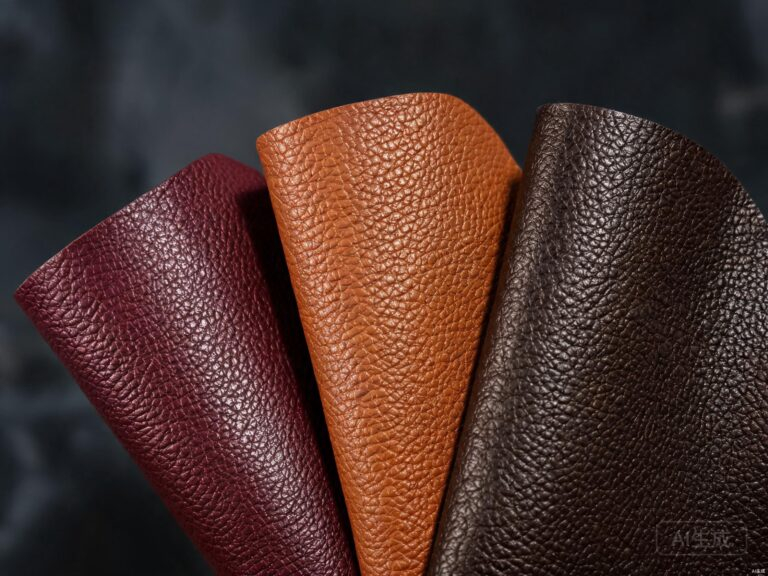
Both genuine and faux leather come in dozens of colors and textures — at the premium end, telling them apart by sight alone can be difficult.
More Criteria: Performance, Supply, and Perception
7. Breathability & Comfort
Genuine leather breathes — it allows moisture vapor to pass through, which makes it more comfortable in direct skin contact applications (seating, footwear, garments). Faux leather is generally less breathable; PVC especially can feel hot and sticky against skin in warm weather. Premium microfiber and silicone leathers are better than PU/PVC but still don’t match the breathability of full-grain leather. Verdict: Genuine leather wins for breathability, particularly in apparel and close-contact seating.
8. Supply Chain & Lead Times
Faux leather has significant supply chain advantages. It’s manufactured in continuous rolls with predictable output, consistent quality, and faster lead times (2–4 weeks for standard colors). Genuine leather depends on hide supply, which fluctuates with global meat consumption, disease outbreaks, and trade policies. Tanning and finishing adds 6–10 weeks of lead time. Faux leather MOQs are also more flexible — you can order 50 yards of a standard color, whereas genuine leather minimums are higher and matching across hides adds complexity. Verdict: Faux leather wins on supply chain reliability, lead times, and MOQ flexibility.
9. Customization Options
Faux leather offers far more customization flexibility. Color, texture, embossing pattern, thickness, and performance properties (flame retardancy, UV resistance, antimicrobial) can all be tailored during manufacturing. Pantone color matching is standard and reliable. With genuine leather, you’re working with a natural material — color matching is approximate, texture is limited by what the hide provides, and custom performance treatments are more limited. Verdict: Faux leather wins for customization breadth and precision.
10. Brand Perception & Market Value
Genuine leather still carries a strong premium perception in many markets. Consumers associate “genuine leather” with quality, luxury, and durability — and they’ll pay more for it. This is particularly true in fashion, luxury goods, and high-end automotive. However, this perception is shifting, especially among younger consumers who prioritize sustainability and animal welfare. In commercial furniture and contract markets, the “genuine leather” premium is less pronounced — performance and total cost drive decisions more than label prestige. Verdict: Genuine leather still has a brand value advantage in consumer luxury markets; faux leather is gaining ground, especially among sustainability-focused buyers.
11. Fire Safety & Regulatory Compliance
Both materials can meet fire safety standards, but they approach it differently. Genuine leather has inherent flame resistance (it chars rather than melts or drips) but may require treatment to meet strict standards like CAL 133 or FAR 25.853. Faux leather can be formulated with flame retardant additives, though some traditional flame retardants have raised health and environmental concerns. Silicone leather has excellent inherent fire performance without chemical flame retardants — it self-extinguishes, produces minimal smoke, and doesn’t drip molten material. Verdict: Both can meet standards; silicone leather leads on clean flame performance without chemical additives.
12. Ethical & Animal Welfare Considerations
For brands with animal welfare commitments or vegan positioning, faux leather is the only option. Genuine leather is a byproduct of the meat industry, but that doesn’t eliminate the ethical concerns for many consumers and businesses. The growth of vegan and cruelty-free consumer segments — particularly in fashion, automotive, and furniture — is a major driver of faux leather adoption. That said, ethical sourcing also extends to labor practices and environmental justice, where both categories have work to do. Verdict: Faux leather wins on animal welfare; both need improvement on broader ethical supply chains.
| Criterion | Genuine Leather | Faux Leather (Premium) | Winner |
|---|---|---|---|
| Durability (top grades) | Full-grain: 20+ yrs | Silicone: 10–15+ yrs | Genuine (full-grain only) |
| Stain Resistance | Low–Moderate | Excellent | Faux |
| Consistency | Natural variations | Perfectly uniform | Faux |
| Breathability | Excellent | Limited | Genuine |
| Supply Chain | 6–10 week lead time | 2–4 week lead time | Faux |
| Animal-Free | No | Yes | Faux |
| Customization | Limited | Extensive | Faux |
| Environmental Impact | High water, chemical use | Varies by grade | Depends on grade |
So Which Should You Choose?
There’s no universal answer — it depends on your product, market, and priorities. Here’s our recommendation framework for B2B buyers:
Choose genuine leather when:
- You’re selling a luxury product where the “genuine leather” label drives premium pricing
- Your customers value natural materials and the patina that develops over time
- You can budget for full-grain or top-grain (not just split or bonded)
- Breathability is critical for close-contact applications
- Lead times of 6–10 weeks are acceptable for your production schedule
Choose faux leather when:
- Stain resistance and easy cleaning are non-negotiable (healthcare, hospitality, food service)
- You need consistent color and texture across large production runs
- Your brand has vegan, cruelty-free, or sustainability commitments
- Total cost of ownership matters more than the material label
- You need fast lead times, flexible MOQs, and reliable supply
- You’re currently buying split or bonded genuine leather (premium faux will outperform both)
For a deeper dive into how premium faux leather stacks up, explore our silicone vs PU comparison with detailed performance data across 14 criteria. You can also learn more about furniture upholstery applications to see which material fits your specific use case.
Compare Real & Faux Leather Samples
About TOPSUN
TOPSUN produces premium silicone leather as a high-performance alternative in the leather vs faux leather debate — delivering the aesthetic quality of top-grain genuine leather with better cleanability, consistency, and sustainability for B2B buyers across automotive, furniture, healthcare, and marine industries.
10–15+ year lifespan · Zero VOC · Fully recyclable · Stain-proof · 40+ colors · Custom Pantone matching · ISO & REACH certified