A single tannery run of 500 top grain cowhide hides can contain up to 40% material with significant surface defects — scars from barbed wire fencing, healed insect bite clusters, fire brand marks, and stretch marks from rapid growth periods. These are not flaws in tanning. They are the natural record of an animal’s life, and they are the reason B2B buyers of top grain cowhide routinely budget 30% more material than their pattern calculations call for. When you source hides, you are buying defects along with leather — and paying full price for both.
In a typical Grade A top grain cowhide shipment, 15–25% of usable area is lost to natural defects. Grade B hides lose 25–35%. Grade C hides lose 35–50%. That means a $45/sq yd Grade A hide actually costs $53–$60 per usable square yard after defect waste.
What Makes Top Grain Cowhide the “Gold Standard” — and Why That Title Is Misleading
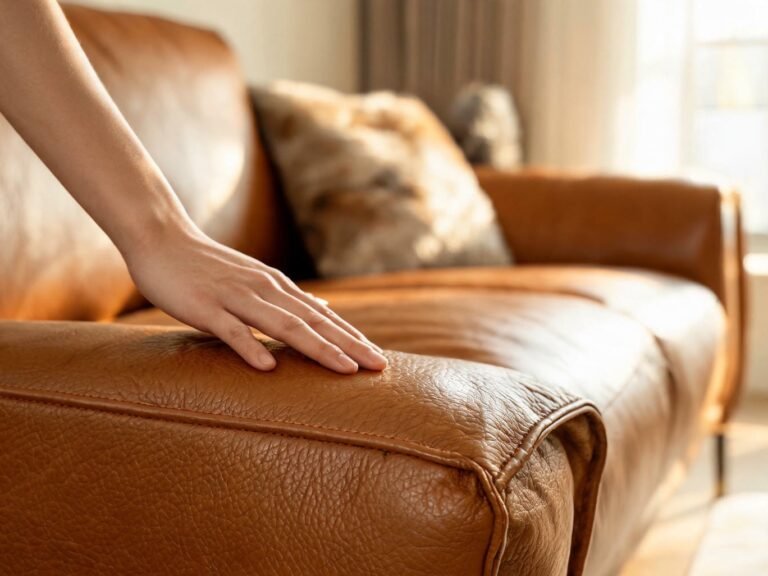
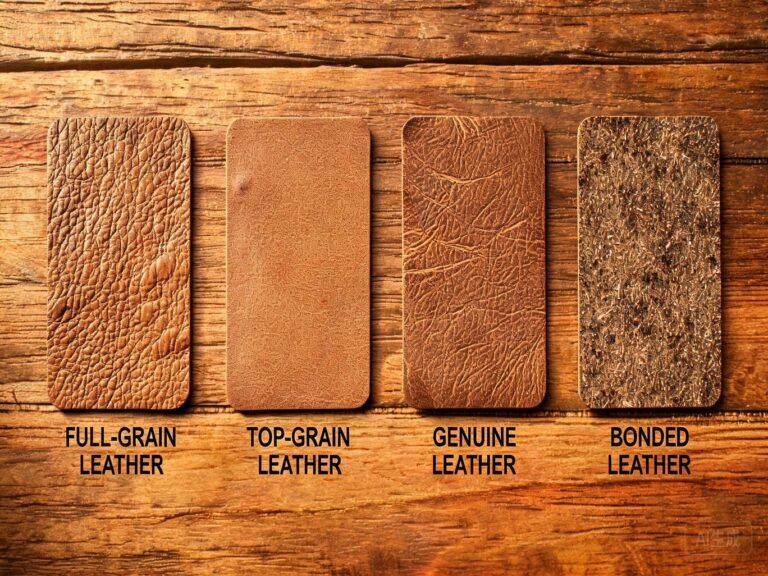
Top grain cowhide sits just below full grain in the leather quality hierarchy. It comes from the outermost layer of the hide, sanded or buffed to remove surface imperfections, then finished with pigment or coating to restore a uniform appearance. The result is a material that looks consistent, feels premium, and carries the durability and breathability associated with genuine leather.
But here is what the “gold standard” label obscures: the sanding process that creates top grain exists because the underlying hide is imperfect. Full grain leather — the actual top tier — retains the original grain surface with all its natural marks. Top grain is produced when that surface is too damaged to leave intact. In other words, top grain cowhide is not the best leather that exists. It is the best leather that can be salvaged from hides whose natural surfaces are too flawed for full grain.

The 5 Hidden Defects in Top Grain Cowhide That Raise Your Material Cost
After the sanding and finishing process, top grain cowhide still carries defects that are invisible in marketing photos but visible on the cutting table. These five defect categories are the ones procurement teams encounter most frequently in production:
| Defect Type | Frequency in Grade A | Usable Area Loss | Cost Impact per Hide |
|---|---|---|---|
| Wire/Thorn Scars | 60–75% of hides | 5–15% | $3–$7 |
| Insect Bite Clusters | 40–55% of hides | 3–10% | $2–$5 |
| Fire Brand Marks | 20–30% of hides | 8–12% | $4–$6 |
| Stretch/Growth Marks | 35–50% of hides | 5–8% | $2–$4 |
| Loose Grain / Wrinkling | 15–25% of hides | 5–10% | $2–$5 |
Frequency data based on tannery run inspections. Actual defect rates vary by cattle origin, climate, and tanning method. Cost impact calculated on a $45/sq yd Grade A hide.
How Tannery Grading Works — and Why It Fails B2B Buyers
Tannery grading sorts hides into tiers — typically A, B, C, and sometimes D — based on defect density and usable area. Grade A hides should have minimal defects. Grade B allows moderate imperfections. Grade C hides have extensive damage. The grading is performed visually by tannery staff, and here is where the system breaks down for B2B buyers:
- No universal grading standard: Each tannery defines its own A/B/C criteria. A Grade A hide from a Brazilian tannery may have more defects than a Grade B from an Italian tannery.
- Subjective assessment: Grading depends on the individual inspector’s experience and the tannery’s commercial incentive to maximize Grade A yield.
- Defects cluster unpredictably: A single hide may pass Grade A on 70% of its surface but have concentrated defect zones that make the remaining 30% unusable for large pattern cuts.
- Batch variability: Even within the same tannery, hide quality fluctuates seasonally based on cattle diet, climate conditions, and slaughter age.

For B2B buyers, this means incoming quality control is non-negotiable. The industry standard — AQL 2.5 Level II sampling — requires inspecting a statistically representative sample of each shipment under D65 lighting, checking thickness at multiple points, and mapping defect zones before cutting. This adds labor cost, delays production start, and still cannot recover the material already lost to natural defects.
Top Grain Cowhide vs Silicone Leather: The Defect Elimination Case

The comparison that procurement teams should be making is not just performance-per-yard — it is defect-free yield per yard. Here is how top grain cowhide compares to silicone leather when the defect factor is included:
| Parameter | Top Grain Cowhide | Silicone Leather (TOPSUN) |
|---|---|---|
| Natural Defects | 15–35% area loss per hide | 0% — zero natural defects |
| Surface Consistency | Varies hide to hide | ΔE ≤ 1.0 between rolls |
| Martindale Abrasion | 30,000–70,000 cycles | 200,000+ cycles |
| Water Resistance | Low — requires sealing | 100% waterproof |
| Temperature Range | -10°C to 50°C | -40°C to 250°C |
| Cutting Yield (after defects) | 55–65% | 82–87% |
| Incoming QC Labor | High — defect mapping required | Low — visual check only |
| Texture Options | Limited to natural grain | Lychee, nappa, smooth, custom embossing |
| Certifications | Limited — chromium VI risk | ISO 10993, REACH, FDA, FAR 25.853 |
When Top Grain Cowhide Still Makes Sense — and When It Does Not
To be clear: top grain cowhide remains the right material for specific applications. Heritage luxury furniture brands where natural patina development is a selling point. Bespoke leather goods where each piece’s unique grain pattern adds value. High-end automotive interiors where the “real leather” label drives premium pricing.
But for high-volume commercial upholstery — contract furniture, healthcare seating, marine interiors, public transportation — the defect-driven waste, inconsistent yield, and incoming QC overhead make top grain cowhide a liability. Silicone leather delivers the same premium appearance with zero defect waste, 3–7x higher abrasion resistance, and roll-to-roll consistency that eliminates the need for defect mapping entirely.

About TOPSUN: Defect-Free Silicone Leather for B2B Production
TOPSUN manufactures solvent-free silicone leather that eliminates every defect category associated with top grain cowhide — zero scars, zero insect bites, zero brand marks, zero stretch marks. Our continuous roll production delivers 82–87% cutting yield with ΔE ≤ 1.0 color consistency between rolls, tested to 200,000+ Martindale cycles and certified to ISO 10993, REACH, and FAR 25.853. For B2B buyers transitioning from top grain cowhide to silicone leather, we provide texture replication that matches lychee, nappa, and pebbled grain patterns — giving your end products the same visual premium without the 15–35% defect waste.
Side-by-side material comparison: silicone leather vs top grain cowhide — texture, durability, and defect analysis
Top Grain Cowhide FAQ
How do tannery grades affect top grain cowhide pricing?
Grade A top grain cowhide typically costs $5–$15 per square foot, Grade B costs $3–$8, and Grade C costs $2–$4. However, because grading criteria vary by tannery, Grade A from one supplier may contain more defects than Grade B from another. B2B buyers should always request physical samples and conduct AQL 2.5 Level II inspection before committing to a tannery’s grade designation.
Can silicone leather replicate top grain cowhide texture?
Yes. TOPSUN offers texture embossing that replicates the visual and tactile appearance of top grain cowhide, including lychee grain, pebbled grain, nappa smooth, and corrected-grain uniform finishes. The silicone surface can be customized to match your existing product’s grain pattern, making the transition from genuine leather to silicone leather visually seamless for end customers.
What is the lifespan difference between top grain cowhide and silicone leather?
Top grain cowhide typically lasts 10–15 years in commercial upholstery with proper conditioning and maintenance. Silicone leather lasts 15–20+ years with zero maintenance — no conditioning, no special cleaning products, and no risk of water damage or mold. Over a 20-year period, silicone leather’s total cost of ownership is 40–60% lower than top grain cowhide when factoring in maintenance, replacement, and defect waste.
Does top grain cowhide have chromium VI risks?
Chrome-tanned top grain cowhide carries a residual risk of chromium VI formation, particularly in humid storage conditions. EU REACH regulations restrict chromium VI to 3 mg/kg in leather products. Silicone leather contains zero chromium and zero heavy metals, eliminating this compliance risk entirely.
Related resources: Understanding top grain leather: B2B guide · Top grain vs genuine leather grades · Silicone leather introduction · Certification gallery
Request Defect-Free Silicone Leather Samples
Receive free A4 swatch samples in top grain cowhide texture match — lychee, nappa, or pebbled grain. Compare side-by-side with your current hide supplier and see the defect-free difference on your cutting table.