Vehicle upholstery leather is one of the most visible and most touched materials in any car. It’s what drivers and passengers interact with every time they get in. It’s a key part of the perceived quality of a vehicle. And for premium brands, it’s one of the most important differentiators between trim levels.
But the automotive upholstery landscape is changing faster than at any point in the last 50 years. Electric vehicles have fundamentally different interior requirements — cabin air quality, weight savings, sustainable sourcing, and vegan/leather-free options are all reshaping what automakers look for in a seat material.
This guide covers the full spectrum of vehicle upholstery materials — from traditional Nappa and Merino leather to the latest vegan and silicone alternatives — and explains how the shift to electric vehicles is rewriting the rulebook for automotive interiors.
Explore Automotive Applications
Genuine Leather Types Used in Vehicle Upholstery
Genuine leather has been the premium automotive upholstery material for decades. But “leather” isn’t one thing — there are multiple grades and finishes, each with different performance characteristics, price points, and target markets.
| Leather Type | What It Is | Typical Use | Key Tradeoff |
|---|---|---|---|
| Nappa Leather | Soft, full-grain or top-grain leather from calf/lamb hides, chrome-tanned with aniline or semi-aniline dyeing | Premium & luxury vehicles (BMW, Mercedes, Audi mid-to-high trims) | Luxuriously soft but scratches easily and fades faster |
| Merino Leather | Double-aniline, semi-gloss full-grain leather from specific breeds (e.g., Bavarian cattle); BMW’s highest grade | Ultra-luxury (BMW 7 Series/i7/M60, flagship models) | Exceptional feel but highest cost and highest maintenance |
| Semi-Aniline Leather | Top-grain leather with a light protective topcoat and partial pigmentation | Mid-premium vehicles (luxury brand base trims) | Good balance of natural feel and durability |
| Pigmented / Full-Grain Coated | Leather with a full pigment coating for maximum stain and wear resistance | Mainstream “leather” trims, family vehicles, truck interiors | Most durable genuine leather option but less “premium” feel |
| Alcantara (Suede) | Not leather — microfiber suede-like synthetic material (polyester/polyurethane blend) | Sporty trims, steering wheels, headliners, accent panels | Excellent grip but hard to clean and shows wear patterns |
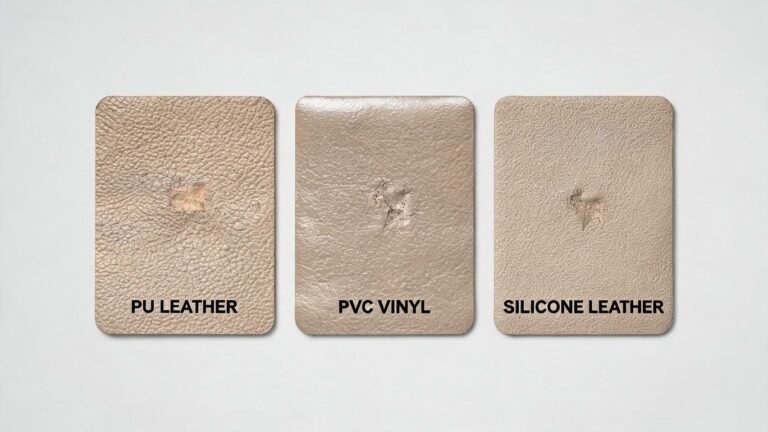
One important thing most car buyers don’t realize: even in vehicles advertised as having “leather interiors,” not every surface is leather. The seating surfaces (where you sit and where your back touches) are typically genuine leather, while the side bolsters, seat backs, and door panel inserts are often synthetic leather — usually PU or PVC. This is an industry-standard cost-saving practice, and it’s perfectly legitimate as long as it’s disclosed properly.
Engineering fact: Automotive leather must pass a battery of tests that furniture leather never sees — cold-crack resistance (down to -25°C or below), heat aging (100°C+), fogging (VOC condensation on windows), abrasion at temperature extremes, and flammability (FMVSS 302 in the U.S.). The list goes on. Not all “premium” leather is automotive-grade.
Why Electric Vehicles Are Changing Everything
The shift from internal combustion engines (ICE) to electric vehicles (EVs) is more than a powertrain change — it’s fundamentally reshaping what automakers expect from interior materials. Here are the four biggest EV-driven shifts in vehicle upholstery:

EV interiors require different material performance than traditional ICE vehicles — especially for VOC emissions and weight
1. Cabin air quality is now a selling point.
In a gasoline car, you don’t notice the “new car smell” as much because there’s always a background of engine and exhaust fumes. In an EV, those dominant emission sources are gone — so interior material emissions become much more noticeable. What was a minor off-gassing issue in an ICE car becomes a major quality complaint in an EV. Automakers are tightening VOC specifications dramatically, and materials that used to pass muster are failing new EV-specific standards.
2. Weight directly affects range.
Every kilogram saved in an EV translates directly to additional range — which is the single most important buying factor for most EV shoppers. Genuine leather is heavy. A full leather interior can add 15–25 kg to a vehicle’s weight. Synthetic alternatives like silicone leather and microfiber can reduce that by 30–50%, which is meaningful when you’re fighting for every kilometer of range.
3. Leather-free is becoming the premium default.
Tesla made vegan interiors standard across their entire lineup in 2019. Volvo followed with leather-free EVs starting with the C40 Recharge. Polestar, Mercedes EQ, BMW i — virtually every premium EV brand now offers a leather-free option, and many make it standard. The traditional assumption that “leather = luxury” is being replaced by a new assumption: “sustainable = modern luxury.”
4. Interiors are living spaces, not just cockpits.
As EVs add more autonomous driving features and in-car entertainment, the interior is becoming more like a living room or office and less like a cockpit. People will be spending more time in their cars not driving — working, watching movies, relaxing. That means upholstery materials need to be comfortable for longer periods, easy to clean (think food and drink spills), and pleasant to touch for hours at a time.
Read: Why EVs Demand Different Seat Materials
Silicone leather for automotive interiors — premium feel with zero VOC emissions
Performance Comparison: Genuine Leather vs. Synthetic Alternatives
Let’s look at how the major vehicle upholstery materials compare on the metrics that matter most for automotive applications. This data is based on published OEM specifications and independent testing:
| Performance Metric | Nappa Leather (OEM) | OEM-Grade PU (SofTex/ActiveX) | Silicone Leather |
|---|---|---|---|
| Abrasion (Martindale cycles) | 35,000–50,000 | 68,000–85,000 | 130,000–200,000+ |
| Cold-crack temperature | -25°C (-13°F) | -30°C (-22°F) [TPU grade] | -40°C (-40°F) |
| UV color fastness (ΔE @ 1000 hrs) | 3.0–5.0 (noticeable fade) | 2.3–3.1 (moderate fade) | < 1.5 (minimal fade) |
| VOC emissions (VDA 277 µg C/g) | 100–250 (tanning chemicals) | 50–150 (residual solvents) | < 50 (near-zero) |
| Flame retardancy | Naturally resistant + additives | Requires flame retardant additives | Inherently flame retardant |
| Hydrolysis resistance | Good (natural fiber) | Poor — 3–5 year failure | Excellent — immune |
| Stain / chemical resistance | Moderate (porous) | Good — but cleaners can damage | Excellent — bleach-cleanable |
| Weight vs. leather baseline | 100% (baseline) | 70–80% | 60–70% |
| Expected service life | 10–15 years (with care) | 5–8 years | 10–15+ years |
The data tells a clear story: synthetic materials have caught up to — and in many categories exceeded — genuine leather on automotive performance metrics. Nappa leather still wins on perceived luxury and natural feel, but silicone leather wins on almost every engineering metric: abrasion resistance, UV stability, VOC emissions, flame retardancy, cold-crack performance, weight, and service life.
For EV programs where cabin air quality, weight savings, and durability are top priorities, silicone leather offers a compelling value proposition. It’s not the right choice for every vehicle — some buyers will always prefer genuine leather — but it’s increasingly the right choice for the fast-growing segment of buyers who want premium quality without the animal product label and with better real-world performance.
Key Automotive Standards and What They Mean
Automotive upholstery materials must meet a complex web of industry standards and OEM-specific requirements. Here are the most important ones every supplier and buyer should know:
Flammability:
- FMVSS 302 (US) — Federal Motor Vehicle Safety Standard: horizontal burn rate must be ≤ 102 mm/min
- GB 8410 (China) — Similar horizontal burn rate requirement for Chinese market vehicles
- ISO 3795 / DIN 75200 — International standard for automotive interior flammability
VOC / Emissions:
- VDA 277 (Germany) — Measures total organic emissions from interior materials using headspace GC; threshold typically 100–200 µg C/g
- VDA 270 (Germany) — Odor testing rated on a 1–6 scale by human panelists; most OEMs target ≤ 3.5
- GB/T 27630 (China) — Guideline for air quality assessment of passenger cars; sets limits for benzene, toluene, formaldehyde, and other VOCs
- SAE J1756 (US) — Fogging test: measures condensable emissions that could fog up windows
Durability / Performance:
- SAE J1394 — Abrasion resistance testing for automotive upholstery
- ASTM D4329 / ISO 105-B02 — Xenon arc UV exposure / color fastness testing
- ASTM D3690 / ISO 1419 — Hydrolysis resistance testing (critical for synthetic materials)
- IATF 16949 — Not a material standard, but the quality management system standard required for automotive supply chain participants
Deep Dive: VDA 277 & Automotive Safety Standards
The Aftermarket and Custom Upholstery Market
OEM specifications get most of the attention, but the automotive aftermarket — replacement seat covers, custom upholstery, restoration, and interior upgrades — is a significant and growing market. For aftermarket buyers and upholstery shops, the material selection criteria are different from OEMs:
| Market Segment | Top Priorities | Recommended Materials |
|---|---|---|
| Classic car restoration | Authentic look, period-correct materials, craftsmanship | Genuine leather (period-correct grade/grain) |
| Custom / show cars | Unique colors, custom stitching, premium appearance | Genuine leather, silicone leather (custom colors) |
| Fleet / commercial vehicles | Durability, easy cleaning, low cost | PVC vinyl, heavy-duty PU |
| Luxury / upgrade kits | OEM-like quality, premium feel, color matching | Nappa leather, high-grade silicone leather |
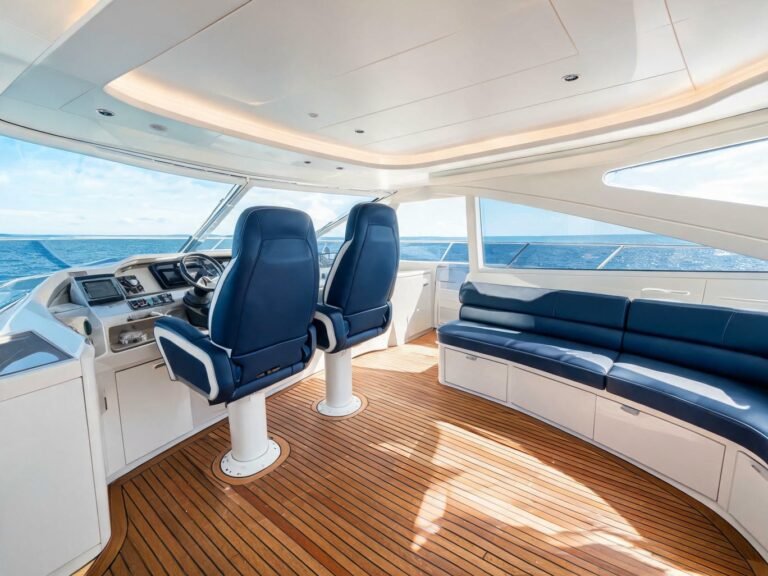
| RV / camper van | Stain resistance, UV stability, mildew resistance | Marine-grade vinyl, silicone leather |
| EV conversion / restomod | Weight savings, low VOC, modern aesthetic | Silicone leather, microfiber |
The aftermarket is where silicone leather is gaining traction fastest — not because it’s “vegan” or “sustainable,” but because it solves practical problems. Custom upholstery shops like it because they can get custom colors matched precisely, the material cuts and sews well, and customers love that it looks premium, wipes clean, and won’t fade in the sun. For shop owners, fewer warranty claims and happier customers make it worth the higher material cost.
The Road Ahead for Vehicle Upholstery
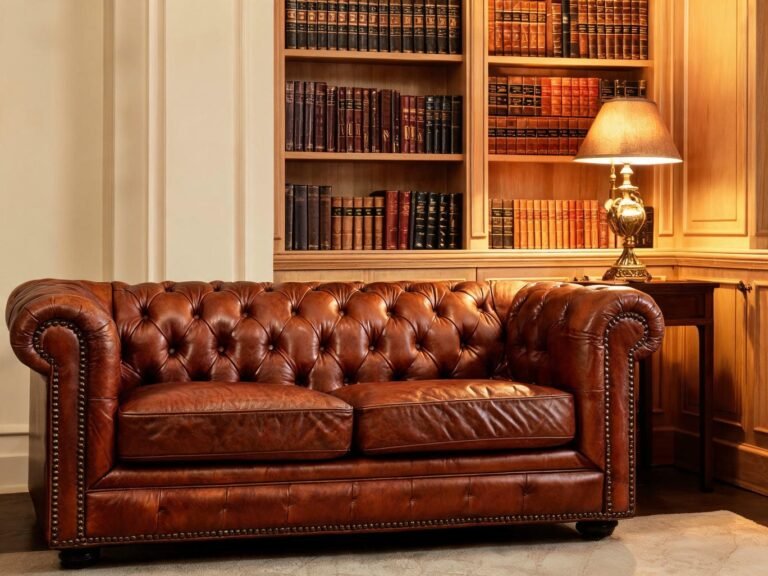
Vehicle upholstery leather has been the gold standard for automotive interiors for over a century. And it will continue to have its place — especially in luxury vehicles where the natural feel, smell, and patina of genuine leather are part of the brand identity.
But the direction of travel is clear. The EV revolution is rewriting the material requirements for automotive interiors. Cabin air quality, weight savings, sustainability, and long-term durability are becoming more important than the traditional markers of luxury. And as synthetic materials like silicone leather continue to improve — closing the gap on feel while pulling ahead on performance — more and more automakers will choose them for their flagship EV programs.
The winners in this transition won’t be the materials that are most like leather. They’ll be the materials that solve the specific problems of the EV era — low VOCs, light weight, UV stability, hydrolysis resistance, and easy cleanability — while still delivering a premium experience that drivers and passengers love.
If you’re working on an automotive interior program — whether OEM, Tier 1, or aftermarket — and evaluating material options, we’d welcome the opportunity to share our complete technical data, test results, and sample program. We supply silicone leather to automotive customers worldwide, with full support for qualification testing and custom development.
Discuss Your Automotive Interior Program
About TOPSUN
TOPSUN manufactures premium silicone leather for automotive interior applications — delivering low-VOC, UV-stable, hydrolysis-resistant material that meets the demanding performance requirements of the EV era.
VDA 277 compliant · FMVSS 302 flame retardant · -40°C cold-crack resistant · 200K+ Martindale cycles · Near-zero VOC · UV stable · Custom colors & textures · Full technical qualification support