Leather protection is a multi-billion-dollar industry built on a simple promise: apply this product and your leather will last longer, look better, and resist stains. Walk down any auto care aisle or search online, and you’ll find dozens of products — conditioners, sealants, waxes, ceramic coatings, nano sprays — all claiming to be the best.
The problem is that most leather protection products are marketed, not engineered. The science behind what actually damages leather — and what actually prevents that damage — is surprisingly well understood by material scientists, but rarely communicated clearly to buyers.
This guide breaks down the real science of leather degradation, evaluates every major protection method by how well it actually addresses the root causes, and explains why the best “leather protection” strategy might be choosing a material that doesn’t need protecting in the first place.
See Silicone Leather Maintenance Guide
What Actually Damages Leather? The 5 Degradation Mechanisms
Before we talk about protection, we need to understand the enemy. Leather fails through specific, well-documented chemical and physical mechanisms. Each one requires a different protective approach — and most products only address one or two of them.

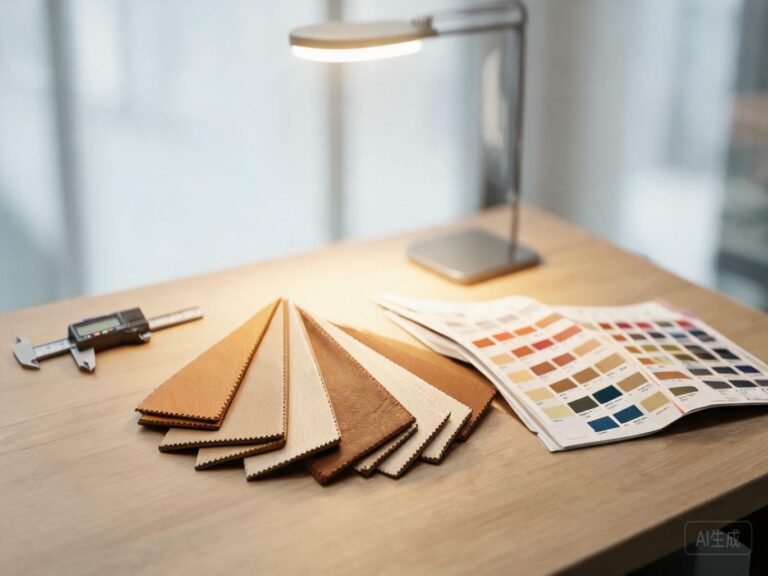
Leather degradation happens through multiple mechanisms simultaneously — UV, moisture, abrasion, and chemical attack
1. UV Photodegradation
UV radiation breaks down the chemical bonds in leather’s collagen fibers and destroys the dyes and pigments that give it color. The result: fading, brittleness, and surface cracking. The Canadian Conservation Institute recommends maximum light exposure of just 150 lux for unpainted leather and 50 lux for dyed leather — roughly the equivalent of a dim room. In direct sunlight, leather can reach 50,000+ lux, causing cumulative irreversible damage.
2. Moisture & Hydrolysis
Genuine leather absorbs moisture from the air and from direct contact (sweat, spills). Too much moisture promotes mold growth and causes fiber swelling. Too little causes drying and cracking. The sweet spot is 40–60% relative humidity. For synthetic leathers (PU, PVC), moisture causes a different problem: hydrolysis — the chemical breakdown of the polymer chains from within, leading to peeling and delamination.
3. Abrasion & Mechanical Wear
Every time someone sits on a leather sofa, gets in a leather car seat, or handles a leather bag, microscopic fibers wear away. Over thousands of cycles, this adds up to visible wear — especially on high-friction areas like seat bolsters, armrests, and edges. The Wyzenbeek and Martindale tests measure this, but real-world wear is more complex because it involves friction, flexing, and pressure simultaneously.
4. Chemical & Stain Damage
Genuine leather is porous — spills soak in, oils penetrate, and dyes transfer from clothing (especially dark denim). Body oils and sweat contain salts and acids that break down leather’s fiber structure over time. Household cleaners, hand sanitizers, sunscreen, and perfume can all cause discoloration or surface damage.
5. Heat & Plasticizer Migration
This one affects synthetic leathers more than genuine. PVC leather relies on plasticizers to stay flexible — and those plasticizers slowly migrate out over time, especially at high temperatures (above 85°C is critical). The result: stiff, cracked material that feels sticky or greasy. In a car interior on a hot day, surface temperatures can exceed 70°C — accelerating this process dramatically.
Engineering fact: Leather degradation is almost always multi-factorial. UV + heat + moisture together cause much faster degradation than any single factor alone. A good protection strategy addresses multiple mechanisms, not just one.
Leather Protection Methods: What Works and What Doesn’t
Now let’s evaluate the major leather protection products on the market, based on how well they actually address the degradation mechanisms above.
| Protection Method | What It Does | Effectiveness | Downtime / Frequency |
|---|---|---|---|
| Leather Conditioner | Replaces oils/moisture lost to drying | Partial — prevents drying/cracking only | Every 3–6 months |
| Beeswax / Carnauba Wax | Creates a physical barrier on the surface | Moderate — good for water, poor for UV | Every 1–3 months |
| Silicone Spray | Deposits silicone oil for water repellency | Low — temporary, attracts dirt | Monthly |
| Polymer Sealant | Synthetic polymer film barrier | Good — UV + stain protection | Every 6–12 months |
| Ceramic / Nano Coating | SiO2-based glass-like protective layer | Very good — UV, stain, abrasion | Every 1–2 years |
| UV Window Film / Curtains | Blocks UV before it reaches leather | Excellent — stops #1 cause of degradation | One-time installation |
| Humidity Control | Maintains 40–60% RH environment | Excellent — prevents drying & mold | Continuous |
Here’s what most product marketing won’t tell you: the most effective leather protection strategies aren’t products you apply to the leather — they’re environmental controls. UV blocking and humidity control address the two biggest causes of leather degradation (photodegradation and moisture imbalance) far better than any spray-on coating can.
That said, ceramic and nano coatings represent a real improvement over older products. A properly applied ceramic coating creates a semi-permanent silica layer that bonds to the leather surface, providing UV resistance, hydrophobicity (water repellency), and stain resistance — all without changing the feel of the leather. The catch: proper application requires thorough cleaning first, and the coating is only as durable as the leather’s topcoat beneath it.
The Hidden Cost of Leather Protection: Maintenance Over Time
When you buy genuine leather furniture or a leather interior, the purchase price is only the beginning. The ongoing cost of protection and maintenance adds up — and for commercial applications, the labor cost of regular conditioning and cleaning can exceed the original material cost within a few years.

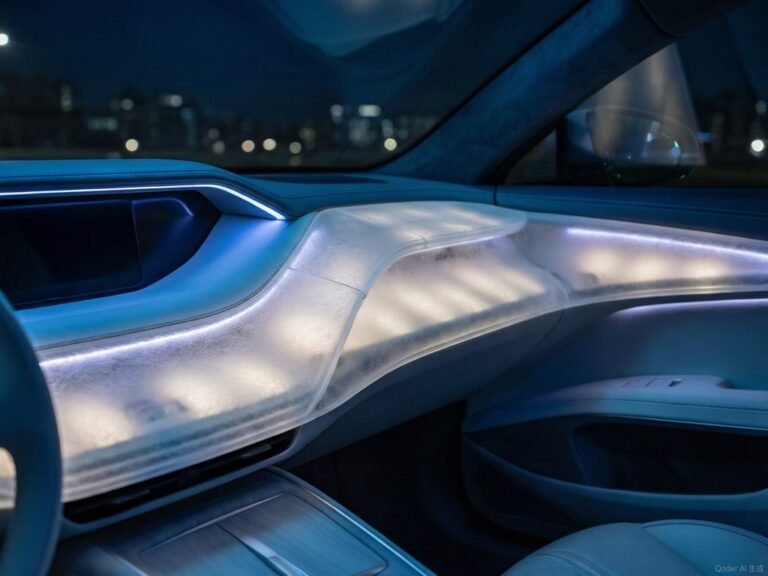
Some materials are inherently self-protecting — no top-ups or treatments needed
Let’s do a quick 5-year cost calculation for a typical commercial project — say, a hotel lobby with 20 leather armchairs:
| Cost Item | Genuine Top-Grain Leather | Silicone Leather |
|---|---|---|
| Initial material cost (20 chairs) | $4,000 – $8,000 | $3,000 – $6,000 |
| Professional cleaning (quarterly) | $1,500/year × 5 = $7,500 | $300/year × 5 = $1,500 (wiping only) |
| Conditioning & protection (semi-annually) | $800/year × 5 = $4,000 | $0 (none needed) |
| Stain repair / touch-up | $500/year × 5 = $2,500 | $50/year × 5 = $250 |
| 5-year total | $18,000 – $22,000 | $4,800 – $7,750 |
| Expected condition at 5 years | Moderate wear, patina, some stains | Near-new appearance |
The math is striking. Over 5 years, the maintenance cost of genuine leather can be 2–3x the material cost. For silicone leather, maintenance is nearly zero — a simple wipe-down with water or mild detergent is all that’s needed, because the material is inherently non-porous, UV-stable, and hydrolysis-resistant.
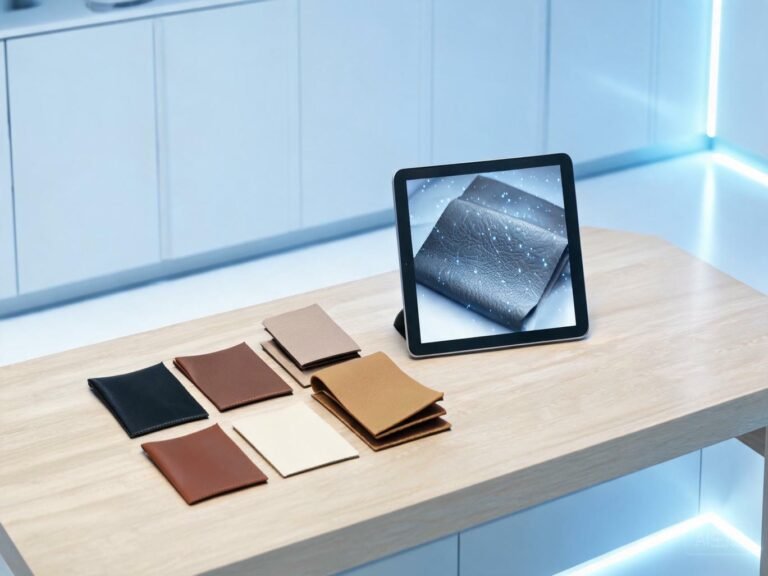
Stain resistance comparison: how silicone leather handles common spills vs. genuine leather
Inherent Protection vs. Applied Protection: A Better Framework
Here’s a different way to think about leather protection that’s more useful for material specifiers and procurement teams. Instead of asking “what protection product should I use?” ask “what level of inherent protection does the material itself have?”
Materials can be ranked by how much of their protection is built-in versus how much needs to be applied after purchase:
| Material | Inherent Protection | Applied Protection Needed | Maintenance Burden |
|---|---|---|---|
| Aniline Leather | Very low — no topcoat, fully porous | High — conditioner + sealant + UV protection | Very high |
| Semi-Aniline Leather | Low — light topcoat | Moderate — conditioner + sealant | High |
| Pigmented Top-Grain | Moderate — full pigment topcoat | Moderate — conditioner + occasional sealant | Moderate |
| PU Leather | Moderate — non-porous surface | Low — cleaner + UV protectant | Low (but material fails from hydrolysis) |
| Silicone Leather | Very high — non-porous, UV-stable, hydrolysis-resistant | None — just clean with water | Very low |
Silicone leather’s protection is molecular — it’s built into the silicone polymer itself. The silicone-SiO bond is one of the strongest in organic chemistry, which is why silicone is UV-stable, heat-resistant, and chemically inert. You don’t need to “protect” silicone leather because the material is already the protection. It doesn’t absorb stains. It doesn’t break down in sunlight. It doesn’t need conditioning. It just works, year after year.
Read the 10-Year Durability Comparison
Practical Recommendations by Use Case
The right leather protection strategy depends on what you’re protecting, where it’s located, and how much maintenance you’re willing to do. Here’s our practical advice:
If you already have genuine leather furniture:
- The single most effective thing you can do is keep it out of direct sunlight. Use curtains, blinds, or UV window film.
- Maintain 40–60% humidity — especially in dry climates or heated buildings.
- Condition with a pH-balanced leather conditioner every 3–6 months. Don’t over-condition — more is not better.
- For high-use items, consider a polymer sealant or ceramic coating for additional stain and UV protection.
- Clean spills immediately — the longer a spill sits, the deeper it penetrates.
If you’re specifying new furniture for commercial use:
- Calculate total cost of ownership (material + maintenance + replacement), not just upfront cost.
- For high-traffic, high-stain-risk environments (restaurants, hotels, healthcare), specify materials with inherent protection rather than relying on after-market products.
- Silicone leather eliminates the maintenance burden entirely — no conditioners, no sealants, no ceramic coatings needed.
- If genuine leather is required for aesthetic reasons, choose pigmented top-grain (not aniline) and budget for a professional maintenance program.
Rethinking Leather Protection
The leather protection industry sells a simple narrative: buy our product, spray it on, and your leather is safe. The reality is more nuanced. Genuine leather is a beautiful but high-maintenance material that degrades through multiple mechanisms, and no single product addresses all of them. Environmental controls — UV blocking and humidity management — are more effective than any spray-on coating.
But here’s the bigger picture: for many applications, the smartest protection strategy isn’t to protect leather — it’s to choose a material that doesn’t need protecting. Silicone leather delivers the look and feel of premium leather with inherent UV resistance, stain resistance, hydrolysis resistance, and zero maintenance beyond wiping clean.
If you’re tired of the endless cycle of conditioning, sealing, and re-coating, it might be time to consider whether your material choice — not your protection product — is the real problem.
Request Samples & See the Difference
About TOPSUN
TOPSUN manufactures premium silicone leather with inherent protection — UV-stable, stain-resistant, hydrolysis-proof, and zero-maintenance. No conditioners, sealants, or ceramic coatings needed.
Inherent UV resistance · Non-porous stain protection · Hydrolysis-proof · Bleach-cleanable · No conditioning required · 10+ year service life