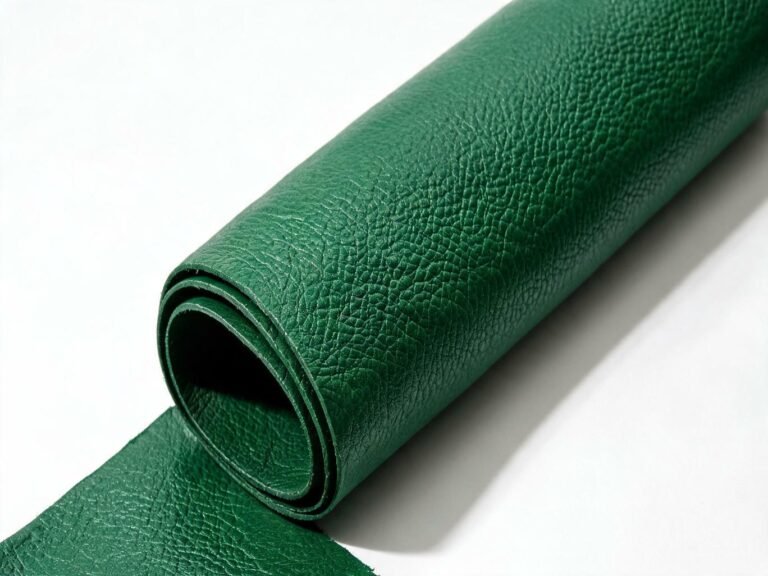
Most B2B buyers treat leather swatches as a formality—request them, feel the texture, approve the order. In our procurement audits, that approach has led to some of the most expensive bulk-order failures we’ve seen. The swatch is your only chance to test a supplier’s material before committing to 500+ meters, and most buyers waste it on a 30-second finger press. Leather swatches are not a courtesy—they’re a diagnostic tool, and knowing how to read them separates reliable suppliers from costly mistakes.
Why Leather Swatches Are Your First Quality Filter
A leather swatch is a small piece of material that tells you more about a supplier’s production capability than any brochure or spec sheet. When you request leather swatches free samples from a manufacturer, you’re not just checking color and feel—you’re auditing their coating consistency, substrate quality, and quality control rigor. The swatch represents the best the supplier can deliver. If it has flaws, bulk material will be worse, not better.
We’ve audited over 200 supplier swatch programs across automotive, furniture, and consumer electronics categories. The pattern is clear: suppliers who send consistent, well-finished swatches with complete test data almost always deliver reliable bulk material. The ones who mail loose-cut scraps with no documentation? They’re the same suppliers whose material starts cracking at month 18. Start your evaluation by requesting samples from our samples center—every swatch ships with full certification data attached.

A well-organized swatch rack signals a supplier who invests in presentation—loose scraps signal the opposite.
6 Red Flags Hidden in Leather Swatches
Knowing how to evaluate leather swatches means looking past the surface. Here are six specific red flags that signal production risk before you place a single meter on order.
Each red flag below maps to a documented production failure mode we’ve encountered in supplier audits. For a deeper dive into inspection protocols, see our leather quality inspection guide.
| Check Point | What to Inspect | Red Flag |
|---|---|---|
| Coating Uniformity | Surface under raking light | Blotchy or streaky finish = inconsistent coating line |
| Color Accuracy | Compare to Pantone under D65 light | Visible color shift from reference = poor batch control |
| Flex Recovery | Fold swatch 180° and release | Permanent crease or cracking = coating will fail in use |
| Edge Structure | Cross-section under 10x magnification | Layer separation or air gaps = delamination risk |
| Water Resistance | Water droplet on surface for 30 seconds | Absorption instead of beading = poor hydrolysis protection |
| Documentation | Test reports included with swatch | No Martindale/UV/VOC data = unverifiable claims |

Color consistency across swatches from the same batch is the first visible indicator of production control.
How to Request Swatches That Actually Represent Production Material
A common trap: suppliers send a “golden sample”—a hand-picked swatch that doesn’t represent actual production runs. To counter this, request swatches from three different production batches, not the same roll. Cross-batch comparison reveals whether the supplier’s process is stable or if quality varies week to week. The ISO testing standards governing leather performance assume consistent production conditions—if your swatches show variance across batches, the supplier can’t meet those standards reliably.
Specify your swatch requirements in writing: thickness tolerance (±0.05mm), color reference (Pantone or RAL code), texture pattern name, and required certifications. A supplier who can’t fulfill these specifications on a sample will struggle at production scale. Use our color customization guide to set precise color targets before requesting samples.

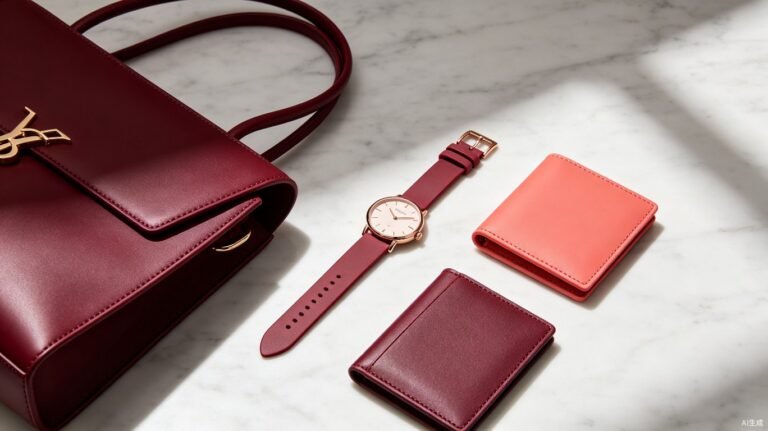
A full color palette display lets you verify Delta E accuracy against your Pantone reference under standardized lighting.
From Swatch to Bulk Order: Closing the Quality Gap
Once swatches pass evaluation, the next risk is the gap between sample and bulk delivery. Production conditions change, coating batches vary, and the material that arrives at your factory may differ from the swatch you approved. A leather swatch evaluation checklist should include a bulk verification step: test the first 50 meters of every bulk order against the approved swatch before releasing the full shipment. For a structured approach, follow our leather sample ordering guide.
Silicone leather offers an advantage here: because it’s manufactured through a controlled coating process rather than sourced from variable animal hides, batch-to-batch consistency is measurably tighter. Our production maintains Delta E ≤ 1.0 color accuracy and identical surface texture across every roll. Learn more about the material science behind this consistency in our silicone leather introduction.
See how TOPSUN’s sample delivery service works—from swatch request to your desk in days, not weeks.
Frequently Asked Questions
How many leather swatches should I request before ordering?
Request at least three swatches from different production batches, plus one from the supplier’s current stock. Three-batch sampling reveals process consistency; the stock sample shows what you’d actually receive if you ordered today. If a supplier refuses multi-batch sampling, that refusal is itself a red flag.
Can I trust digital leather swatches instead of physical samples?
Digital swatches show color and texture but cannot convey hand feel, flex recovery, coating thickness, or water resistance. Use digital images for initial screening, but always request physical samples before approving a bulk order. Any supplier who pushes you to skip physical sampling is cutting corners you’ll pay for later.
Treat Every Swatch as an Audit
Leather swatches are the most underutilized risk-management tool in B2B material sourcing. A 10-minute evaluation—folding, examining under raking light, testing water resistance, checking documentation—can prevent a 500-meter order from becoming a warranty nightmare. The suppliers who welcome scrutiny are the ones whose material holds up. The ones who rush you past the sample stage are the ones whose product won’t. Treat every swatch as an audit, not a formality, and your bulk orders will perform exactly as the sample promised.
Download Sample Evaluation Checklist
About TOPSUN
TOPSUN provides complimentary A4 leather swatches shipped worldwide via DHL/FedEx, enabling B2B manufacturers to evaluate silicone leather texture, color accuracy, and physical performance before committing to volume orders.
Free swatch program with 500-meter MOQ, 7–15 day lead time, and Delta E ≤ 1.0 batch-to-batch color consistency verification.