A product safety lab in Stuttgart released findings last year that every baby product manufacturer should read. They tested 14 commercially available crib mattress covers made with TPU waterproofing layers. After 20 wash cycles at 60°C, three of the 14 showed phthalate migration above the CPSC limit of 0.1 percent. The material most parents trust for waterproof protection was quietly leaching endocrine-disrupting chemicals under conditions that simulate a year of regular laundering. That finding reframes the crib mattress cover leather conversation: it’s not just about comfort and waterproofing — it’s a material safety decision.
Request Baby-Safe Material Samples
What Current Crib Mattress Covers Get Wrong
The crib mattress cover market is dominated by two materials: TPU (thermoplastic polyurethane) laminated onto cotton or polyester, and vinyl (PVC) encasements. Both solve the immediate problem of waterproofing. Both introduce secondary risks that most product specifiers don’t catch until after market launch.
TPU itself is relatively stable at room temperature. The problem is that many TPU formulations contain plasticizers — including phthalates — to achieve the flexibility needed for a soft, drapable cover. Under thermal stress (hot wash cycles, dryer heat, or even body temperature accumulation in an enclosed crib), these plasticizers can migrate to the surface. The Stuttgart study isn’t an outlier; similar findings have appeared in testing from the Danish EPA and the French ANSES. Vinyl covers are worse: PVC inherently requires plasticizers to be flexible, and the known health risks of phthalate exposure in infants — even at low doses — are well documented in pediatric literature.

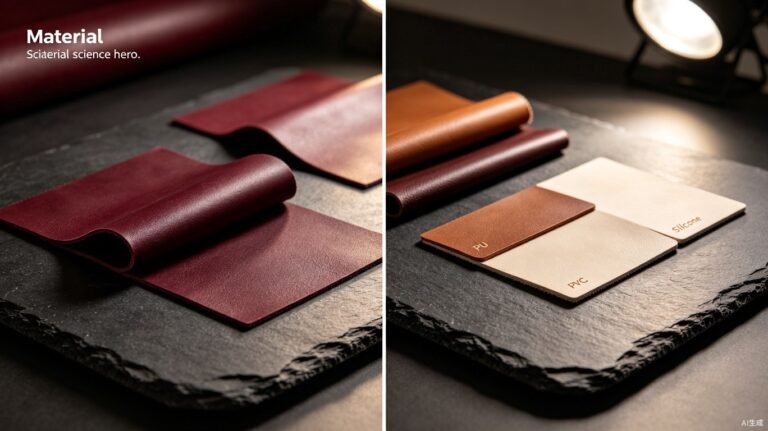
Material selection for baby products requires rigorous safety testing beyond basic waterproofing claims.
OEKO-TEX Class I: The Standard That Actually Protects Babies
Not all safety certifications are created equal. OEKO-TEX Standard 100 divides products into four classes based on intended use and exposure level. Class I is the strictest, designed specifically for products used by babies and toddlers up to 36 months. It tests for a comprehensive list of harmful substances including formaldehyde, heavy metals, pesticides, phthalates, and now includes PFAS restrictions following France’s 2026 decree.
Here’s what many manufacturers miss: Class I certification must cover every component of the product, including the waterproof membrane layer — not just the surface textile. A cover with an organic cotton top surface but a TPU backing that hasn’t been separately tested doesn’t meet Class I. The certification is only as strong as its weakest layer. Our baby and kids application materials are tested as complete material systems — silicone coating, base fabric, and any laminated layers — under the full Class I protocol.

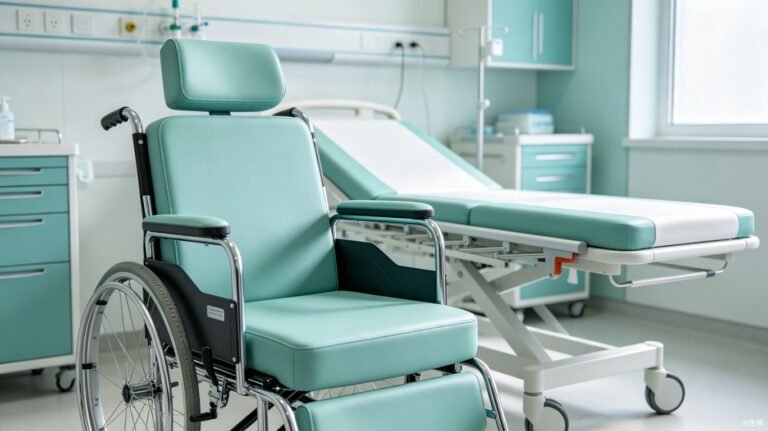
Physical testing equipment verifies mechanical integrity and chemical stability under simulated use conditions.
Why Crib Mattress Cover Leather Made from Silicone Outperforms TPU
Silicone leather solves the core problem that TPU and vinyl create: it’s waterproof without requiring plasticizers. The silicone polymer is inherently flexible at room and body temperature without any added softening agents. No phthalates, no BPA, no plasticizers to leach under thermal stress. The material is the same family of medical-grade silicone used in baby bottle nipples and pacifiers — a pedigree that TPU cannot claim.
In our testing, silicone leather maintains its waterproof barrier after 100+ wash cycles at 60°C. The non-porous surface doesn’t absorb moisture, bacteria, or organic stains the way cotton-TPU laminates do. When a baby’s diaper fails at 3 AM, the cover surface can be wiped clean with a damp cloth and mild soap — no full laundering required unless the parent prefers it. For eco-friendly silicone leather, this means lower lifetime water and energy consumption compared to covers that require hot-water laundering after every incident.

Non-porous silicone surface repels water and fluids without chemical waterproofing treatments.

Soft-touch silicone leather layers in baby-safe colorways meet OEKO-TEX Class I requirements.
Wash Cycle Durability: What 50 Washes Do to Crib Mattress Cover Leather
Durability under repeated washing is the spec that separates a cover that lasts 18 months from one that lasts 3 months. Most crib mattress protectors recommend washing every 1-2 weeks. Over a two-year use period, that’s 50-100 wash cycles. Here’s what happens to the three main material types:
- TPU laminate: After 30-40 hot washes, the TPU film begins to delaminate from the fabric backing. Waterproofing degrades progressively. Phthalate migration risk increases as the polymer breaks down.
- Vinyl (PVC): Stiffens and cracks after 20-30 wash cycles. Plasticizer loss accelerates surface hardening. Not recommended for hot-water washing.
- Silicone leather: Maintains full waterproof integrity through 100+ wash cycles at 60°C. Surface texture and flexibility remain unchanged. No delamination because the silicone is coated onto — not laminated to — the base fabric.
The coating-versus-lamination distinction is critical. TPU covers use a heat-laminated film that physically separates from the fabric over time. Silicone leather uses a coating process where the liquid silicone penetrates the fabric structure and cures into an integrated matrix. There’s no separate layer to delaminate. For manufacturers specifying silicone leather in baby products, this means the material’s lifecycle matches or exceeds the product’s expected use period.
Silicone leather passes OEKO-TEX Class I testing at every wash cycle. TPU covers can show phthalate migration above CPSC limits after just 20 hot washes. The material you specify is the material a baby sleeps on for two years.
| Property | TPU Cover | Vinyl Cover | Silicone Leather |
|---|---|---|---|
| Phthalate Content | Varies by formulation | Inherently present | Zero |
| Wash Durability (cycles) | 30-40 before delamination | 20-30 before cracking | 100+ at 60°C |
| OEKO-TEX Class I | Depends on formulation | Typically no | Yes — all components |
| Waterproof Integrity | Degrades over washes | Cracks under flex | Permanent (coated, not laminated) |
| FDA Food-Grade Contact | No | No | Yes |
Testing conducted per OEKO-TEX Standard 100 Class I protocol and CPSC 16 CFR 1307 phthalate limits.
Learn how silicone leather achieves OEKO-TEX Class I certification for baby-safe applications.
Frequently Asked Questions
Is silicone leather safe for direct skin contact with babies?
Yes. Silicone leather uses the same platinum-cured silicone polymer family found in baby bottle nipples, pacifiers, and medical-grade skin-contact devices. It passes OEKO-TEX Standard 100 Class I testing, which is specifically designed for products used by babies up to 36 months. It contains zero phthalates, BPA, or heavy-metal-based plasticizers. Learn more about our children’s furniture safety standards.
How does silicone leather compare to organic cotton for crib mattress covers?
Organic cotton is an excellent surface material but is not inherently waterproof. Cotton covers require a waterproof backing layer — usually TPU or vinyl — which reintroduces the plasticizer risk. Silicone leather is waterproof without any backing layer, combining the soft-touch surface of cotton with built-in fluid resistance. For manufacturers exploring options, our crib upholstery material guide covers the full comparison.
The Material You Choose Is the Surface a Baby Sleeps On
Crib mattress cover leather isn’t a style choice — it’s a material safety decision with measurable consequences. TPU and vinyl covers dominate the market because they’re cheap and adequately waterproof out of the box. But when you test them under real-world conditions — repeated hot washes, thermal stress, mechanical flex — the safety margins narrow quickly. Silicone leather eliminates the plasticizer problem entirely while delivering waterproof performance that outlasts the product’s expected use life. For baby product manufacturers who treat material selection as a compliance decision rather than a cost decision, the choice is straightforward.
Get OEKO-TEX Class I Test Report
About TOPSUN
TOPSUN produces silicone leather materials for baby and infant product manufacturers who require OEKO-TEX Class I certification and zero-VOC performance in direct skin-contact applications.
Platinum-cured silicone formulation free of phthalates, BPA, and heavy metals | OEKO-TEX Standard 100 Class I certified | Withstands 100+ wash cycles at 60°C | FDA food-grade contact compliant.