Walk through any trade show or scan any sourcing platform, and you’ll see “eco friendly fabric” on nearly every booth banner. But here’s what B2B procurement teams discover the hard way: the majority of these environmental claims don’t survive independent verification. A material labeled “green” by one supplier may still contain phthalates, emit VOCs above indoor air quality limits, or use solvent-based manufacturing processes that contradict every sustainability goal in your corporate responsibility report.
This article cuts through the greenwashing. We’ll examine which environmental certifications actually carry weight, how different upholstery materials compare on measurable sustainability metrics, and what procurement teams should require from suppliers before accepting an “eco friendly” claim — with specific data, not marketing language.
What “Eco Friendly Fabric” Actually Means — and Why It’s So Hard to Verify
The term “eco friendly fabric” has no single legal definition. Unlike “organic food,” which is regulated by specific certification bodies with standardized criteria, “eco friendly” in the textile and leather industry is largely self-declared. A manufacturer can call their fabric eco friendly because it uses recycled content, because it’s free from a specific chemical, or simply because the production process consumes less water than conventional alternatives. Each claim might be technically true — but none of them tell the full environmental story.

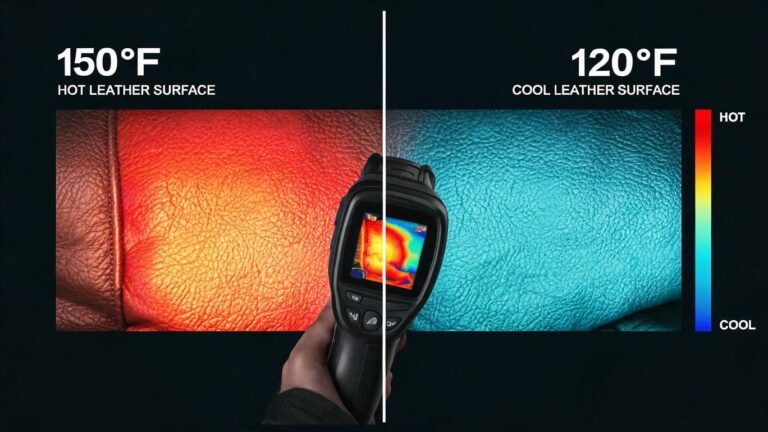
Waterproof performance testing — eco friendly materials must also meet functional requirements
For B2B buyers, this ambiguity creates real risk. Specify a material based on an unverified “eco” claim, and you could face regulatory non-compliance, customer complaints about indoor air quality, or — worst case — a product recall. The solution is to replace vague language with specific, auditable certifications and measurable environmental parameters.
How Silicone Leather, PU, PVC, and Real Leather Compare Environmentally
When evaluating sustainable fabric for furniture or automotive applications, the comparison needs to go beyond a single attribute. Here’s how the four main upholstery material categories stack up across the environmental parameters that matter most to procurement teams and sustainability officers.
| Environmental Metric | Silicone Leather | PU Leather | PVC Vinyl | Genuine Leather |
|---|---|---|---|---|
| VOC Emissions | Near-zero (solvent-free) | Moderate (solvent-based) | High (plasticizers) | Low–Moderate (tanning chemicals) |
| Manufacturing Solvents | None | DMF/MEK common | Plasticizers required | Chromium/formaldehyde |
| Animal-Derived | No (vegan) | No (vegan) | No (vegan) | Yes |
| Recyclable Substrate | Yes (polyester base) | Limited | Difficult | Biodegradable (with caveats) |
| Lifespan (durability) | 10–15 years | 4–7 years | 3–5 years | 10–20 years (if maintained) |
The lifespan row deserves special attention. A material that lasts twice as long as the alternative effectively halves the environmental impact per year of use — because you’re manufacturing, transporting, and installing half as many replacements. This is the lifecycle sustainability argument that most comparisons miss: durability IS sustainability.

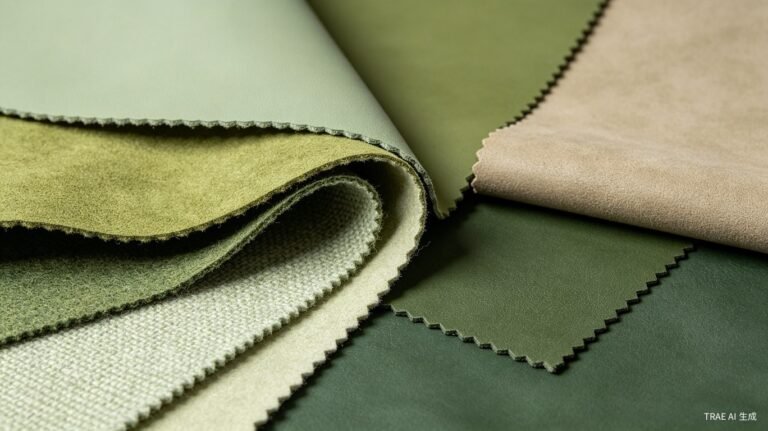
Vegan leather materials — silicone leather offers animal-free performance without compromising durability
Overview of silicone leather eco certifications — REACH, zero-VOC, and solvent-free manufacturing explained.
4 Certifications That Prove a Fabric Is Truly Eco Friendly
With no universal definition of “eco friendly,” certifications are the only reliable way to verify environmental claims. But not all certifications carry equal weight. Here are the four that matter most for B2B upholstery fabric procurement, and what each one actually proves.

Silicone leather lifecycle assessment — from raw materials to finished product with minimal environmental impact
REACH Compliance (EU Regulation 1907/2006). This is the baseline for any fabric sold into the European market. REACH restricts over 200 Substances of Very High Concern (SVHCs). A supplier who can provide REACH SVHC test reports from an accredited lab has demonstrated that their material doesn’t contain harmful levels of phthalates, heavy metals, formaldehyde, or other restricted substances. For eco friendly silicone leather, REACH compliance is standard — because the solvent-free manufacturing process inherently avoids many restricted chemicals.
OEKO-TEX Standard 100. This certification tests for harmful substances across the entire production chain. It’s widely recognized in the textile industry and particularly valued by brands selling consumer-facing products. If your fabric will be used in furniture, automotive interiors, or any application where skin contact occurs, OEKO-TEX provides credible assurance.
Verification shortcut: Ask the supplier for their OEKO-TEX certificate number and check it on the official OEKO-TEX buy label database. Fake certificates exist — independent verification takes 30 seconds.
Greenguard GOLD. Originally developed for indoor air quality, Greenguard GOLD certification is increasingly specified by architects and facility managers for any material used in occupied indoor spaces. It sets some of the strictest VOC emission limits in the industry. For healthcare, education, and commercial office applications, this certification is often a contractual requirement.
ISO 14001 Environmental Management. This certifies that the manufacturer operates an environmental management system — not that the product itself is “green,” but that the factory actively monitors and reduces its environmental impact. It’s a process certification, not a product certification, but it signals a manufacturer committed to continuous improvement.
Which Applications Benefit Most from Eco Friendly Fabric?
Not every application demands the same level of environmental certification. But several sectors have moved beyond “nice to have” — eco friendly fabric is now a contractual or regulatory requirement.
Healthcare and medical facilities. Hospital furniture, exam tables, and patient-facing surfaces must meet strict indoor air quality standards. Materials with high VOC emissions can compromise patient recovery environments and violate building certification requirements like LEED or WELL. Silicone leather’s near-zero VOC profile makes it a natural fit — and the sustainability credentials align with healthcare procurement policies.

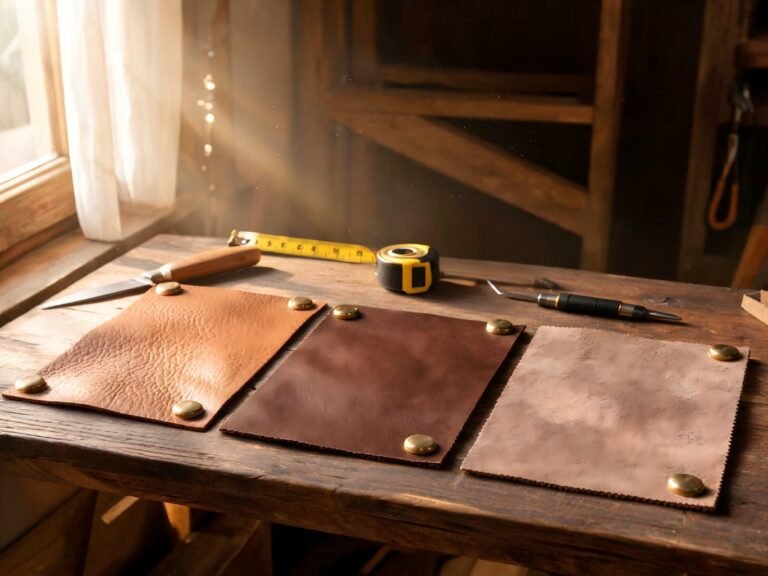
Eco friendly vegan leather furniture — sustainable materials in modern interior design
Automotive interiors, especially EVs. Electric vehicle brands have built their identity on sustainability. The interior materials they choose must align with that brand promise. Several major EV OEMs have publicly committed to using only animal-free, low-VOC materials in their cabins — and they’re actively dropping traditional leather and high-VOC synthetics from their supply chains.
Children’s products and education. Regulations like EN 71-3 (toy safety) and CPSC guidelines in the US set strict limits on heavy metals, phthalates, and formaldehyde in products used by children. School furniture, childcare center equipment, and juvenile products all fall under heightened scrutiny. Specifying certified eco friendly fabric isn’t optional here — it’s a legal requirement.
Discuss Your Sustainability Requirements
How to Source Eco Friendly Fabric at Scale Without Compromising Performance
The final challenge for procurement teams is balancing environmental credentials with the physical performance their application demands. A fabric can be certified green but still fail after two years of heavy use — which is arguably worse for the environment than a durable material with a less impressive eco label.
The practical approach is to build a two-axis evaluation matrix: environmental certification on one axis, physical performance data on the other. Only materials that score well on both axes should make your shortlist. For example, when sourcing for a commercial furniture program, you might require REACH compliance plus a minimum 50,000 Martindale abrasion resistance. This ensures the fabric is both environmentally responsible and durable enough for the application.
Field observation: We’ve worked with several furniture manufacturers who switched to silicone leather specifically because it was the first material that satisfied both their sustainability team (zero solvent, REACH compliant) and their engineering team (200K+ abrasion cycles, hydrolysis resistant) without requiring separate material options for each.
When requesting quotes, ask suppliers to provide both their environmental certifications and their physical test data in a single package. This makes comparison straightforward and eliminates the risk of optimizing for one dimension while neglecting the other. A reliable fabric supplier audit checklist should cover both axes equally.
Making Eco Friendly Fabric Work for Your Next Sourcing Program
The eco friendly fabric market is maturing, but the noise-to-signal ratio remains high. The most effective procurement teams are those who replace vague “green” claims with specific certifications, measurable environmental parameters, and independent verification. Silicone leather represents one of the strongest options for B2B buyers who need both genuine environmental credentials and uncompromising physical performance — a combination that was difficult to achieve with earlier generations of synthetic materials.
Start by defining what “eco friendly” means for your specific application and market. Then require your suppliers to prove it — with certificates, test reports, and transparent manufacturing data. The suppliers who welcome that scrutiny are the ones worth building a long-term relationship with.
Request Eco-Friendly Material Samples
About TOPSUN
TOPSUN produces solvent-free silicone leather with near-zero VOC emissions, meeting REACH SVHC limits and qualifying for OEKO-TEX and Greenguard certification pathways — used in healthcare, automotive, furniture, and children’s products worldwide.
Environmental capabilities include solvent-free production, 500,000m monthly output, FDA-grade options, and full lifecycle sustainability documentation for LEED and WELL building projects.