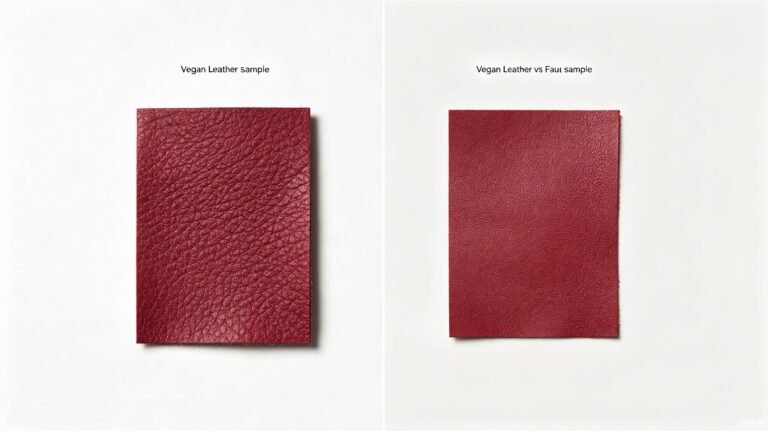
We’ve all been there — you spec vegan leather upholstery for 500 hotel loveseats, and three years later the maintenance team is spending $4 per seat monthly on specialized cleaners that barely lift coffee stains. Here’s the procurement insight most teams miss: choosing the right vegan leather cleaner matters far less than choosing the right base material. The surface chemistry of your upholstery — not the bottle you spray on it — determines how much you’ll spend on maintenance for the next decade.
Request Free Cleaner Test Samples
Why Base Material Determines Vegan Leather Cleaner Effectiveness
Most vegan leather on the market today is polyurethane (PU) or polyvinyl chloride (PVC) coated onto a fabric backing. These coatings start out smooth and water-resistant, but they share a structural weakness: micro-porosities develop within 18-24 months of use. Once those pores open, stains penetrate the coating and bond with the plasticizer layer underneath. No vegan leather cleaner on the shelf can reverse that penetration — they can only mask it temporarily.
Silicone leather operates on a completely different principle. The Si-O-Si molecular backbone creates a genuinely non-porous surface — not a coating that simulates non-porosity, but an inherent material property. In standardized testing, silicone leather achieves Level 5 stain resistance (the maximum rating), while PU typically scores Level 2-3. This is a silicone vs PU comparison that directly impacts your cleaning budget: a Level 5 surface sheds coffee, ink, and cosmetics with a damp cloth, while a Level 2 surface absorbs them permanently.
Key insight: The “right” vegan leather cleaner for PU is a stopgap. The right material choice eliminates the need for one.

Abrasion resistance testing directly predicts how long a surface stays non-porous and cleanable.
PU vs Silicone: The Cleanability Gap That Changes TCO
Here’s where procurement math gets interesting. A PU-coated loveseat in a hotel lobby needs a pH-neutral specialty cleaner ($12-18 per liter), microfiber cloths, and approximately 6-8 minutes of staff time per seat per month. A silicone leather loveseat in the same setting needs tap water, a microfiber cloth, and 2 minutes per seat. Over a 5-year replacement cycle for PU versus a 10-15 year cycle for silicone, the maintenance cost divergence is dramatic.
| Parameter | PU Vegan Leather | Silicone Leather |
|---|---|---|
| Stain Resistance Rating | Level 2-3 (absorbs stains) | Level 5 (shedding surface) |
| Cleaner Required | pH-neutral specialty product | Water + microfiber cloth |
| Monthly Cost per Seat | $3.50-$4.50 | $0.40-$0.60 |
| Replacement Cycle | 3-5 years | 10-15+ years |
| 5-Year TCO per 100 Seats | $21,000-$27,000 | $2,400-$3,600 |
The numbers speak for themselves. For a B2B buyer managing 100 seats, the best vegan leather cleaner for furniture applications isn’t a product — it’s a material specification that eliminates the problem at the source. That’s a procurement decision, not a maintenance one.

Water beads on a non-porous silicone surface — no cleaner needed, just a wipe.
5 Cleaning Protocols That Preserve Vegan Leather Upholstery
Whether you’ve already spec’d PU or you’re evaluating silicone leather for your next project, these five protocols extend surface life and reduce maintenance overhead. We’ve refined them across cleaning and maintenance protocols tested on 50,000+ square meters of production output.
1. Weekly dry dust removal. Use a dry microfiber cloth in one direction. This prevents particulate buildup that creates micro-scratches on PU coatings. For silicone surfaces, it’s the only routine most weeks require.
2. Monthly damp wipe. Dampen a microfiber cloth with lukewarm water. For PU, add one drop of pH-neutral liquid soap (never alcohol-based products — they strip the topcoat). For silicone, water alone lifts 90% of common stains.
3. Stain-specific treatment. Ink and cosmetics on silicone: dab with 70% isopropyl alcohol. Coffee and wine on PU: use a dedicated synthetic leather cleaner immediately — delay past 30 minutes and the stain sets permanently. This is where the material gap becomes most visible.
4. Deep clean every 3-6 months. For high-traffic commercial settings like furniture and sofa applications in hotels or restaurants, schedule a full wipe-down with disinfectant. Silicone tolerates hospital-grade disinfectants and 70% isopropyl alcohol without surface degradation. PU requires careful product selection — harsh disinfectants accelerate coating breakdown.
5. The avoid list. Never use bleach, abrasive scrubbing pads, steel wool, solvent-based cleaners (acetone, paint thinners), or leather conditioners on either material. These degrade PU within months and leave sticky residues on silicone. Machine washing is out of the question for both.

Laboratory testing verifies that cleaning protocols won’t degrade the material surface.
Watch how silicone leather shrugs off ink, coffee, and permanent marker — no specialty cleaner required.
Cost Reality: Cleaner Spend vs Material Replacement Cycles
In our experience working with hospitality procurement teams, the conversation about cleaner safety and effectiveness almost always starts too late — after the PU coating has already begun failing. A B2B buyer who specs PU-coated vegan leather for 100 restaurant booths at $12/m² saves roughly $3/m² upfront versus silicone. But the 5-year picture tells a different story.
Over five years, those same 100 booths require $21,000-27,000 in cleaner products, labor, and eventual full reupholstery at year 3-4. The silicone alternative costs $2,400-3,600 in maintenance over the same period and doesn’t need replacement until year 10 at the earliest. That’s a 67% reduction in lifecycle maintenance spend — money that goes directly to your bottom line instead of disappearing into cleaning supply invoices. The data on vegan leather durability consistently shows this pattern across furniture, automotive, and medical applications.
The cheapest vegan leather cleaner is the one you never need to buy. That only happens when the material specification is right from day one.

Material choice at the specification stage determines the entire maintenance cost curve.
Frequently Asked Questions
Can I use regular leather cleaner on vegan leather?
No. Traditional leather cleaners contain oils and conditioners designed for animal hide — these leave sticky residues on PU and PVC surfaces and can accelerate coating degradation. Use only cleaners specifically formulated for synthetic materials, or for silicone leather, plain water handles most situations. The EU REACH regulation requires disclosure of harmful substances in cleaning products, so check labels for phthalate and DMF content.
How often should silicone leather be professionally cleaned?
For most commercial applications, silicone leather needs professional attention every 6-12 months — primarily for deep disinfection in medical or high-traffic settings. Routine cleaning is a 2-minute wipe with a damp cloth. Compare that to PU, which often requires monthly professional attention once the coating begins failing at the 2-year mark.
The Bottom Line: Material First, Cleaner Second
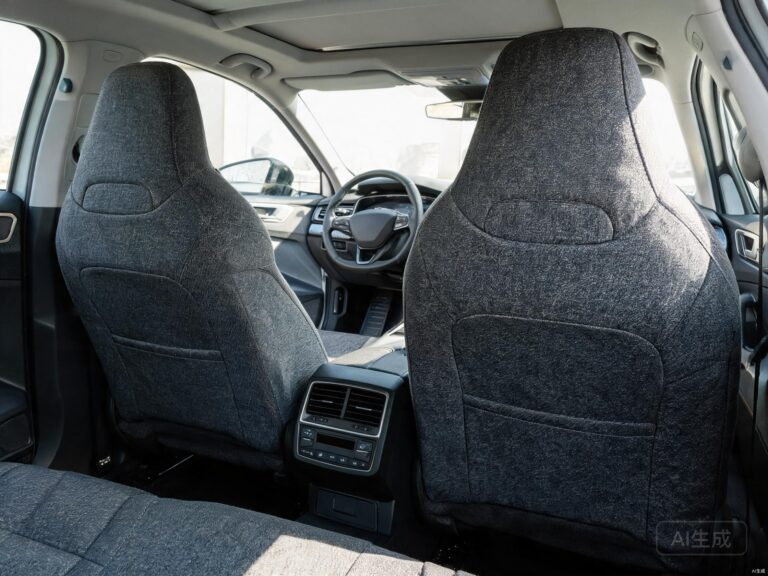
If you take one thing from this analysis: the vegan leather cleaner conversation should happen at the material specification stage, not in the maintenance manual. Silicone leather’s non-porous surface means water is the primary cleaning agent for 90% of situations, and the 10-15 year service life eliminates the replacement cost cycle that drives most maintenance budgets. For B2B procurement teams managing furniture, automotive interiors, or medical upholstery, the data is clear — material chemistry drives cleaning economics more than any product on a shelf ever will.
About TOPSUN
TOPSUN manufactures silicone leather surfaces engineered for stain resistance at the molecular level — the non-porous Si-O-Si backbone means most spills wipe clean with water alone, eliminating the need for specialty vegan leather cleaner products in furniture, automotive, and medical interiors.
ISO 10993-5 biocompatibility verified · 100K+ Martindale abrasion cycles · Level 5 stain resistance · Zero VOC emissions · REACH & FDA certified