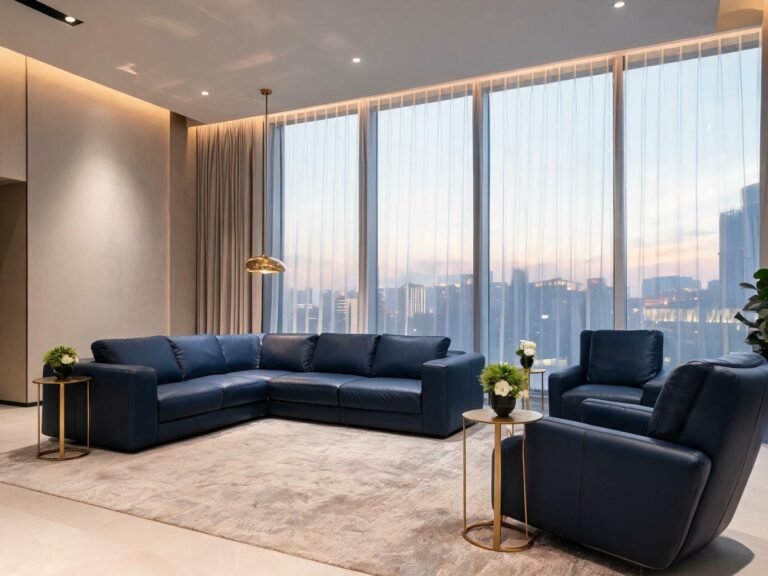
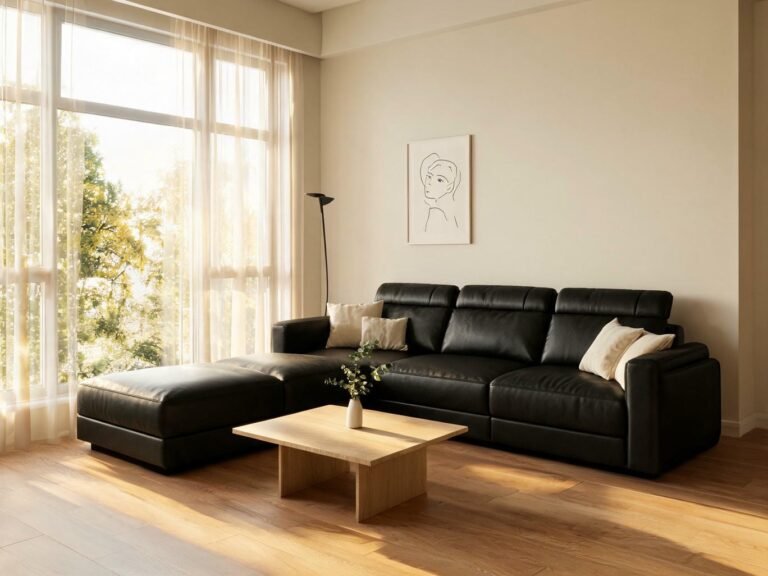
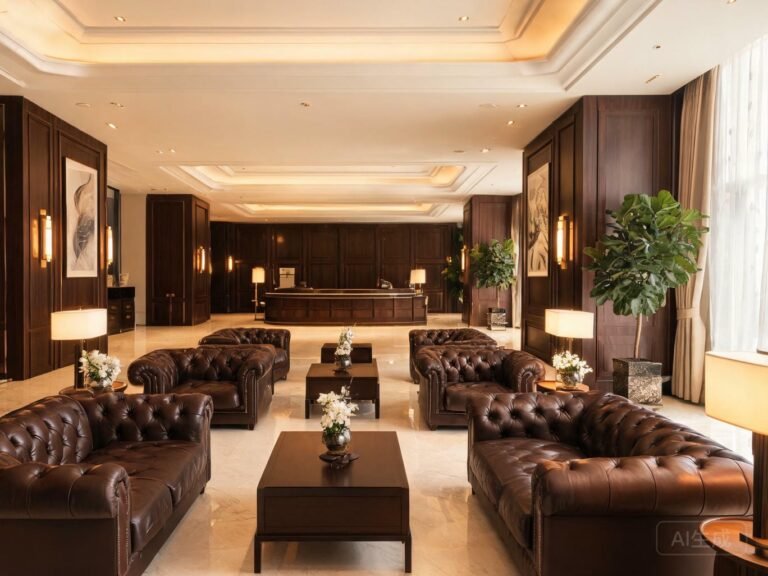
Specifiers pick upholstery covering by how it looks in the showroom under warm light — and that is exactly where the evaluation should end, not begin. The swatch that feels buttery at 22°C can crack at 5°C, absorb coffee stains in week three, and fail a Crib 5 flame test before the furniture even ships. After sitting through too many post-installation failure reports, I started ranking coverings by what they look like after 50,000 Martindale rubs, not before.
Why PU Upholstery Covering Cracks First in Contract Settings
PU upholstery covering dominates the contract furniture market for one reason: it is cheap, it is soft, and it photographs well. The problem is what happens after month 18. Polyurethane coatings hydrolyze in humid environments — the polymer backbone absorbs ambient moisture and breaks down, which is why a PU barstool in a Miami restaurant peels while the same stool in a dry Phoenix office holds up longer. We have seen PU booth seating delaminate in under two years in high-traffic hospitality settings, and the warranty claim process almost never covers replacement labor.
Then there is the fire-safety gap. Commercial interiors in the UK and EU require Crib 5 certification (BS 5852 Source 5) for contract upholstery. PU leather is available with Crib 5 certification, but it is less commonly certified than PVC — and many budget PU grades pass only Source 0 or Source 1, which does not meet the commercial threshold [$TRAE_REF](https://www.kothea.com/tag/pu-leather/). If your spec sheet says “flame retardant” without naming the standard and the ignition source, you are exposed.

Swatch wall — where most upholstery covering decisions start, and where they should not end.
4 Covering Materials That Actually Meet Contract Grade
Contract grade is not a marketing label — it is a set of test thresholds a covering must cross before it belongs in commercial furniture. The baseline is 30,000 Martindale double rubs for light commercial use and 100,000+ for heavy contract; fire retardancy to BS 5852 Crib 5 or EN 1021; and stain resistance tested to AATCC 118 for food-service applications [$TRAE_REF](https://langsumfabric.com/blogs/fabric-news/contract-grade-upholstery-fabric-b2b-high-traffic-spaces). Here is how the four covering families that actually get specified stack up against those bars.
| Covering Type | Martindale | Fire Rating | Stain Resistance | Cleanability |
|---|---|---|---|---|
| Woven fabric | 25,000–50,000 | Varies (treatment-dependent) | Low–Moderate | Poor (absorbs liquid) |
| PVC / vinyl | 15,000–30,000 | Crib 5 available | High (wipe-clean) | Excellent |
| PU leather | 10,000–30,000 | Source 0–1 typical | Moderate (solvent-sensitive) | Fair (degrades with chemicals) |
| Silicone-coated | 200,000+ | EN 13773 Class 4 | High (inherent) | Excellent (solvent-safe) |
The gap between PU and silicone-coated upholstery covering is not marginal. On Martindale alone, silicone delivers 7–20x the abrasion life. On fire safety, it carries EN 13773 Class 4 natively — no topical treatment that washes off. And on cleanability, the silicone surface tolerates the alcohol-based disinfectants and harsh cleaning chemicals that strip PU coatings. For a deeper look at how the surface chemistry works, the silicone vs PU comparison walks through the molecular-level differences.

Color fastness testing — the data behind a Grade 5 claim, not a catalogue promise.
The Cleanability Gap Nobody Shows in the Swatch Book
Here is what does not appear in any swatch book: what happens when a restaurant server spills red wine on the booth, or when a hospital environmental services team wipes down the waiting-room chairs with 70% isopropyl alcohol 40 times a day. Woven fabric absorbs the spill permanently. PU leather resists water but degrades under repeated solvent exposure — the coating goes cloudy, then brittle, then cracks. PVC wipes clean but leaches plasticizers over time and stiffens in cold temperatures.
Silicone-coated upholstery covering is the one grade that handles both scenarios. The silicone polymer has inherently low surface tension — liquids bead up and wipe off without penetrating — and the surface is chemically inert, meaning alcohol, bleach-based disinfectants, and common cleaning agents do not degrade it. In our testing, the surface showed no visible change after 1,000 wipe cycles with isopropyl alcohol. For maintenance teams, the cleaning and maintenance guide details the approved protocols. The procurement implication: if your project involves food service, healthcare, or any setting with frequent disinfection, PU is not just lower performance — it is the wrong material class for the cleaning reality.
The covering that survives 1,000 alcohol wipes without clouding is the covering that does not generate a replacement PO in year three. Cleanability is not a comfort feature — it is a lifecycle cost driver.

Commercial sofa upholstery — where cleanability and fire ratings matter more than the showroom feel.
Watch silicone-coated covering shrug off stains, ink, and solvent wipes that destroy PU.
Specifying Upholstery Covering for Fire-Safety Compliance
Fire-safety compliance is the threshold that eliminates covering options before aesthetics even enter the conversation. The standards differ by market and use case, and specifying the wrong one is not a re-order problem — it is a code-violation problem. Here is the map:
- UK / EU contract furniture: BS 5852 Crib 5 (Source 5 ignition) is the commercial threshold. Source 0–1 is residential only.
- US contract furniture: CAL 117 (California Technical Bulletin 117) for general commercial; FMVSS 302 for automotive interiors.
- Marine and aviation: IMO A.652(16) and FAR 25.853 respectively — the strictest fire standards in the covering market.
- Public transport and mass seating: EN 13773 Class 1–4 depending on occupancy class. Silicone-coated covering achieves Class 4 natively.
The key question: does your supplier’s fire certificate name the ignition source and the standard, or does it just say “flame retardant”? A covering that passes Source 1 will not pass a Crib 5 brief, and the difference only surfaces during an inspection — or worse, an incident. For a structured approach to the full material selection, the upholstery materials selection playbook covers the decision framework.
Frequently Asked Questions
What Martindale rub count is needed for commercial upholstery covering?
Light commercial use requires a minimum of 30,000 Martindale double rubs (ISO 12947-2). Heavy contract settings — hotels, restaurants, hospitals, and public transport — should specify 100,000+ to avoid replacement within the warranty period. Silicone-coated coverings exceed 200,000 cycles.
Can PU upholstery covering pass Crib 5 fire tests?
It can, but it is less commonly certified to Crib 5 than PVC. Budget PU grades typically pass only Source 0 or Source 1, which does not meet the UK/EU commercial threshold. Always request the certificate that names the ignition source — “flame retardant” on a spec sheet is not a compliance standard.
The Covering That Looks Good at 50,000 Rubs
The upholstery covering that wins in commercial spaces is the one that still looks good after 50,000 Martindale rubs, survives 1,000 disinfectant wipes, and carries a fire certificate that names the ignition source — not the one that felt best in the showroom. PU fails the first two within three years. Woven fabric fails the second on day one. Silicone-coated covering is the grade that crosses all three thresholds natively, which is why it has quietly become the spec of choice in hospitality, healthcare, and public seating where replacement downtime is the real cost. Specify by the post-installation reality, not the pre-purchase swatch.
About TOPSUN
TOPSUN manufactures silicone-coated upholstery covering for contract furniture, hospitality seating, and public-space interiors where cleanability and fire compliance drive the specification. Our solvent-free coating line produces grades that pass Crib 5 and EN 13773 natively without topical treatments.
200,000+ Martindale cycles · EN 13773 Class 4 flame retardant · Solvent-safe cleanability · Zero VOC (ISO 16000-6) · 500m MOQ · 7–15 day lead time