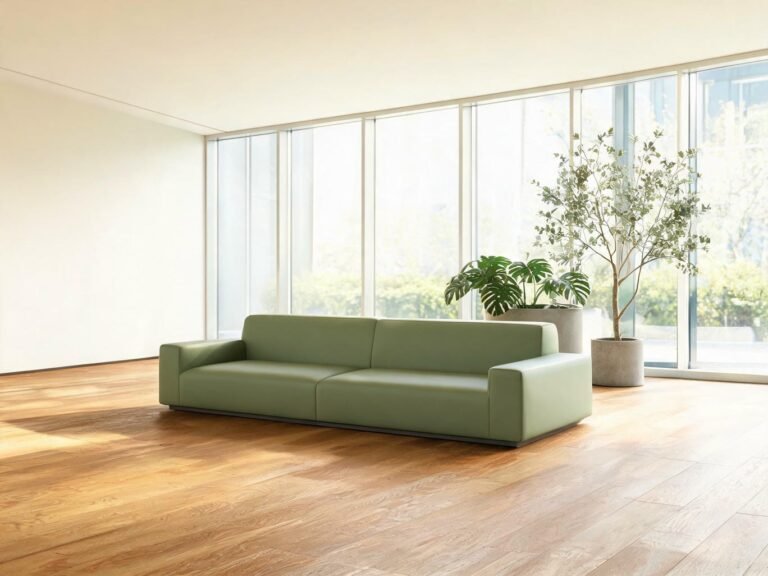
A furniture brand manager recently told us their EU retailer rejected an entire upholstery shipment — not because the material performed poorly, but because the compliance documentation couldn’t prove it was “friendly” enough. That word has quietly become the most expensive adjective in B2B textile sourcing. When we talk about friendly fabrics in 2026, we’re not describing a marketing buzzword. We’re talking about materials that are measurably safe for human contact, demonstrably gentle on the environment, and verifiably compliant with the world’s strictest chemical regulations. Silicone leather checks all three boxes with data to back it up — and this guide explains exactly how.
What Defines Friendly Fabrics in 2026?
Five years ago, “friendly” in fabric sourcing mostly meant recycled content or an organic cotton label. Today’s procurement landscape has moved well beyond that. The EU’s Chemical Strategy for Sustainability, expanding REACH SVHC lists, and the upcoming Digital Product Passport requirements have collectively redefined what buyers must verify before signing a purchase order. A fabric that claims to be friendly but lacks third-party cytotoxicity data, REACH SVHC compliance, or end-of-life documentation simply cannot compete in regulated markets.
Here’s what the term actually covers now — and understanding what are friendly fabrics made of at the molecular level matters as much as the marketing claims. The three pillars are: human safety (skin compatibility, absence of plasticizers and phthalates), environmental responsibility (solvent-free manufacturing, low VOC emissions, no microplastic shedding), and regulatory readiness (traceable documentation from raw material to finished roll). TOPSUN’s eco-friendly silicone leather platform was built specifically to satisfy all three pillars simultaneously.

Physical testing lab where friendly fabrics undergo abrasion, tensile, and color fastness verification
Friendly Fabrics vs Traditional Materials: A Side-by-Side
Most B2B buyers evaluating friendly fabrics vs traditional leather or synthetic alternatives end up comparing four material families. The differences go far beyond surface feel — they extend to chemical safety, regulatory exposure, and total cost of ownership over the product lifecycle. The table below breaks down the key dimensions that actually matter when specifying upholstery materials.
| Material | Human Safety | Environmental Impact | Service Life | Regulatory Risk |
|---|---|---|---|---|
| Silicone Leather | ISO 10993 biocompatible; zero plasticizers | Solvent-free process; no VOC emissions | 10–15+ years | Low — REACH/FDA compliant |
| PU Leather | May contain DMF, plasticizers | Solvent-based DMF in production | 3–7 years (hydrolysis prone) | Moderate — SVHC exposure varies |
| PVC Leather | Phthalates, chlorine content | High — dioxin risk at end-of-life | 5–8 years | High — EU restricting phthalates |
| Genuine Leather | Chrome tanning residues possible | High water usage; tanning effluent | 10–20 years with maintenance | Moderate — Chromium VI restrictions |
The pattern is clear. Materials that rely on solvent-based coating or chemical additives carry inherent regulatory risk that increases over time as SVHC lists expand. For a detailed breakdown of how silicone leather compares against PU on specific test parameters, the technical differences are striking.

Full-color swatch wall showcasing silicone leather options for friendly fabric applications
How Silicone Leather Earns Its ‘Friendly’ Status
Silicone leather’s molecular structure is what sets it apart from every other material on that table. Unlike PU and PVC, which rely on solvent-based coating processes, silicone leather is built from 100% pure silicone polymer applied through a solvent-free manufacturing method. That means zero DMF emissions during production, no plasticizers leaching out over time, and no phthalates hiding in the surface layer waiting to trigger a REACH violation months after installation.
In our own testing lab, we’ve run the numbers repeatedly. Our silicone leather achieves 200,000+ Martindale abrasion cycles without surface breakdown, maintains flexibility from -40°C to 250°C, and passes ISO 10993-5 cytotoxicity testing with a cell viability of 74.58% at 100% extract concentration — comfortably above the 70% pass threshold. One European furniture OEM we supply switched from PVC to our silicone leather and saw their compliance-related shipment rejections drop to zero within the first quarter. That’s the kind of result that turns “friendly” from a label into a verifiable specification.
Silicone leather is the only synthetic material that simultaneously passes ISO 10993 biocompatibility, REACH SVHC, and FDA food-contact standards — setting the benchmark for non-toxic friendly fabrics safety certifications.

Solvent-free production flow — from raw silicone to finished friendly fabric rolls
Watch how silicone leather earns its eco-certifications — from lab testing to compliance documentation
Matching Materials to Real-World Applications
Not every application demands the same type of “friendliness.” A hospital examination table prioritizes biocompatibility and cleanability above all else. A marine yacht interior needs UV resistance and salt-spray tolerance. An automotive OEM cares about VOC emissions and fogging values. The best friendly fabrics for furniture might overengineer a consumer electronics case, while a medical-grade specification would leave a fashion handbag unnecessarily expensive. Matching material properties to diverse application categories is where procurement teams add the most value.
Silicone leather’s advantage is that it performs across this entire spectrum without trade-offs. A single material family covers automotive interiors (VDA 277 emission compliance), medical surfaces (ISO 10993 skin contact), children’s products (REACH Annex XVII restricted substances free), and outdoor marine use (UV and salt-spray stable). For procurement teams managing multiple product lines, that consolidation reduces supplier audit burden and simplifies compliance documentation — one material, one set of certifications, one trusted source.

Color-matched swatch rack for application-specific friendly fabric selection

Sustainable fabric applications where friendly materials reduce environmental footprint
Certifications That Separate Real Friendly Fabrics from Greenwashing
Here’s an uncomfortable truth about environmentally friendly fabrics pros and cons: the “eco” label is self-declared more often than it is third-party verified. A supplier can print “eco-friendly” on a swatch card without a single laboratory test to back the claim. What separates genuine friendly fabrics from greenwashing is the depth of documentation behind the words.
Look for these specific credentials, not marketing language: REACH SVHC compliance verified by an accredited lab (not just a supplier self-declaration), ISO 10993 cytotoxicity testing with a documented cell viability percentage, FDA food-contact approval for materials used near food surfaces, and OEKO-TEX Standard 100 certification for restricted substances. If a supplier cannot produce the actual test report numbers — not just a certificate scan — that’s a red flag. For a broader perspective on sustainable fabric materials beyond silicone, the market offers several alternatives, but few match silicone leather’s combined safety and durability profile.

The future of eco-leather: where compliance documentation drives market access
Frequently Asked Questions
Are friendly fabrics more expensive than conventional materials?
Upfront, silicone leather carries a higher per-meter price than commodity PU or PVC. But the total cost of ownership flips the equation. With a 10–15 year service life versus 3–7 years for PU, plus zero compliance rejection risk and no plasticizer migration repairs, silicone leather’s lifecycle cost per year is typically lower. One client calculated a 28% reduction in replacement and compliance costs over five years. To understand silicone leather’s full molecular composition and why it lasts longer, the science behind the durability is worth reviewing.
Can friendly fabrics pass aviation and automotive fire safety standards?
Yes. TOPSUN’s silicone leather passes FAR 25.853 for aviation interiors and EN 13773 for European fire safety classifications. Unlike halogenated flame retardants used in PVC, silicone’s inherent fire resistance comes from its molecular structure — it doesn’t rely on added chemical retardants that could later trigger regulatory restrictions.
The Bottom Line on Friendly Fabrics
Friendly fabrics in 2026 are defined by what you can prove, not what you can claim. For B2B buyers, that means demanding test reports, not just certificates. It means specifying materials whose safety is structural rather than additive. And it means choosing a supplier whose entire production process — from raw silicone polymer to finished roll — is designed around the three pillars of human safety, environmental responsibility, and regulatory readiness. As the vegan leather sustainability movement continues to reshape buyer expectations, silicone leather was engineered from day one to be the material that actually delivers on the promise.
About TOPSUN
TOPSUN manufactures solvent-free silicone leather that satisfies the strictest friendly fabric criteria across automotive interiors, furniture upholstery, medical surfaces, and consumer electronics — with 8+ years of production experience serving buyers in 30+ countries.
Our materials carry ISO 10993-5 biocompatibility certification (SGS-verified), REACH SVHC compliance, FDA food-contact approval, and FAR 25.853 aviation fire safety — all backed by downloadable third-party test reports.